

Best tanning body care products are essential for anyone looking to achieve a natural golden glow without harmful sun exposure. Knowing exactly what works and what can backfire helps you pick safe, hydrating, and long-lasting options.
Key Takeaways
- DHA and erythrulose are the scientifically proven actives for self-tanning, while hydrating oils boost skin health and tan longevity.
- Many tanning body care products cause skin reactions, and very few provide UV protection post-application.
- For better results, focus on both ingredient quality and overlooked routine steps like pre-tan protein prep and daily hydration.
- What Makes Tanning Body Care Products Effective?
- Step-by-Step Guide to a Healthy Tan With Body Care
- Advanced Analysis & Common Pitfalls
- Conclusion
- FAQ
What Makes Tanning Body Care Products Effective?
High-performing tanning body care products rely on proven ingredients and proper skin prep. Dermatologists widely recognize dihydroxyacetone (DHA) as the primary tanning agent, which reacts with amino acids in the upper skin layer for a sunless glow. Erythrulose pairs with DHA to extend color duration and minimize odor.
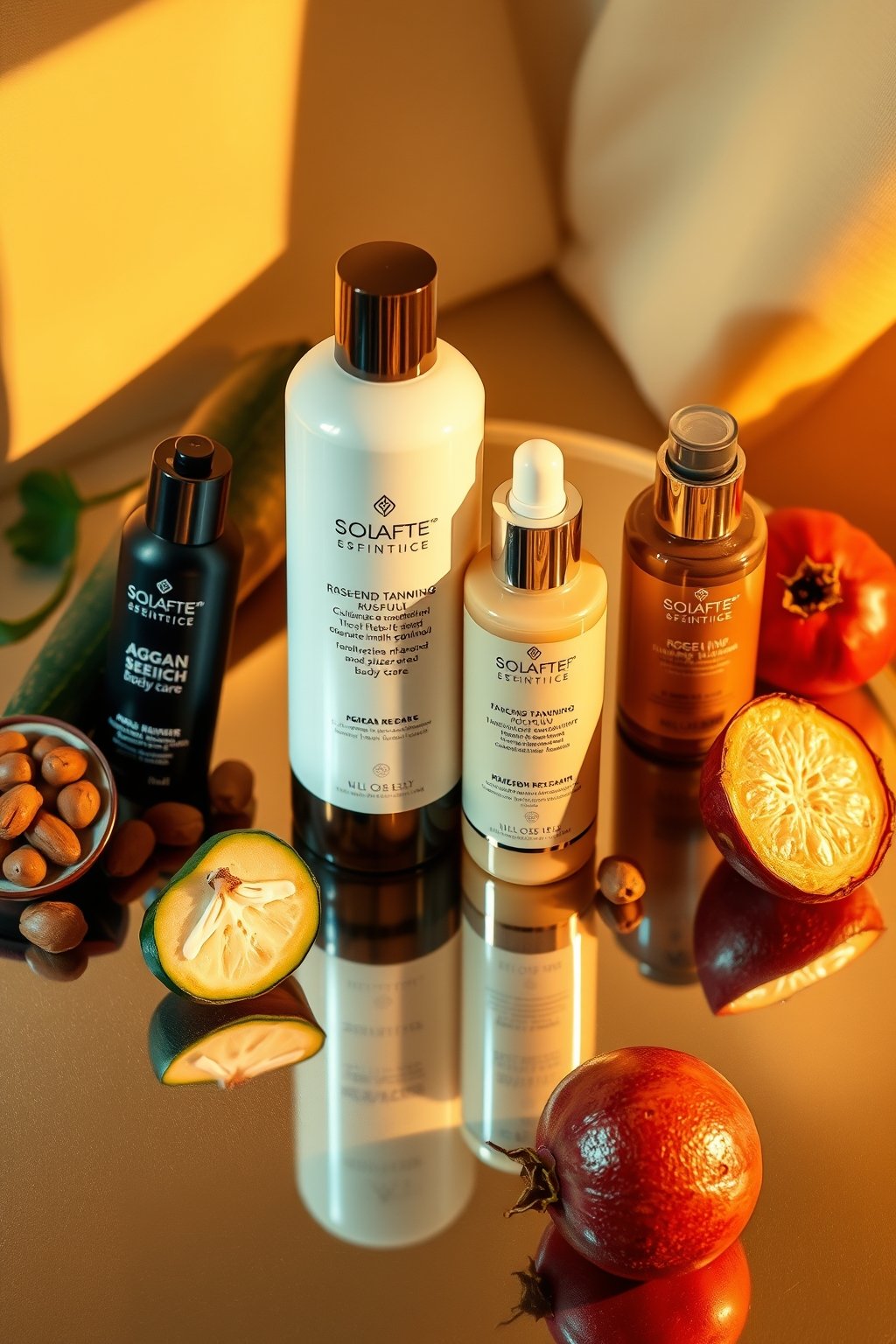
Hydrating oils such as argan, cucumber, and rosehip fortify the skin barrier and lock in moisture for a smoother, less patchy result. Scientific reviews note that adding substances like hyaluronic acid and antioxidants improves comfort and tan appearance.
Tyrosine derivatives and melanin boosters appear in some advanced products to help skin produce more pigment naturally. However, correct application technique is crucial: prepping skin with protein-rich amino acids and ensuring even coverage makes a huge difference.
Step-by-Step Guide to a Healthy Tan With Body Care
-
Prep Your Skin
Exfoliate with a gentle body scrub one or two days before tanning to remove dead skin. This creates a smooth, even canvas for color development. See Body Scrub for Strawberry Legs: 7 Essential Steps for Smoother, More Confident Skin for more on pre-tan exfoliation hacks. -
Add Sulfur-Containing Amino Acids
Before self-tanning, apply a moisturizer or serum rich in methionine sulfoxide. Emerging science suggests this step improves stratum corneum protein content, helping DHA react more deeply for richer color (read more). -
Choose the Right Product for Your Skin Type
If you have dry or sensitive skin, opt for tanning lotions that combine DHA/erythrulose with hydrating oils, like argan or cucumber. For oily or normal skin, self-tan drops or lightweight body oils work well. -
Apply Evenly and Sparingly
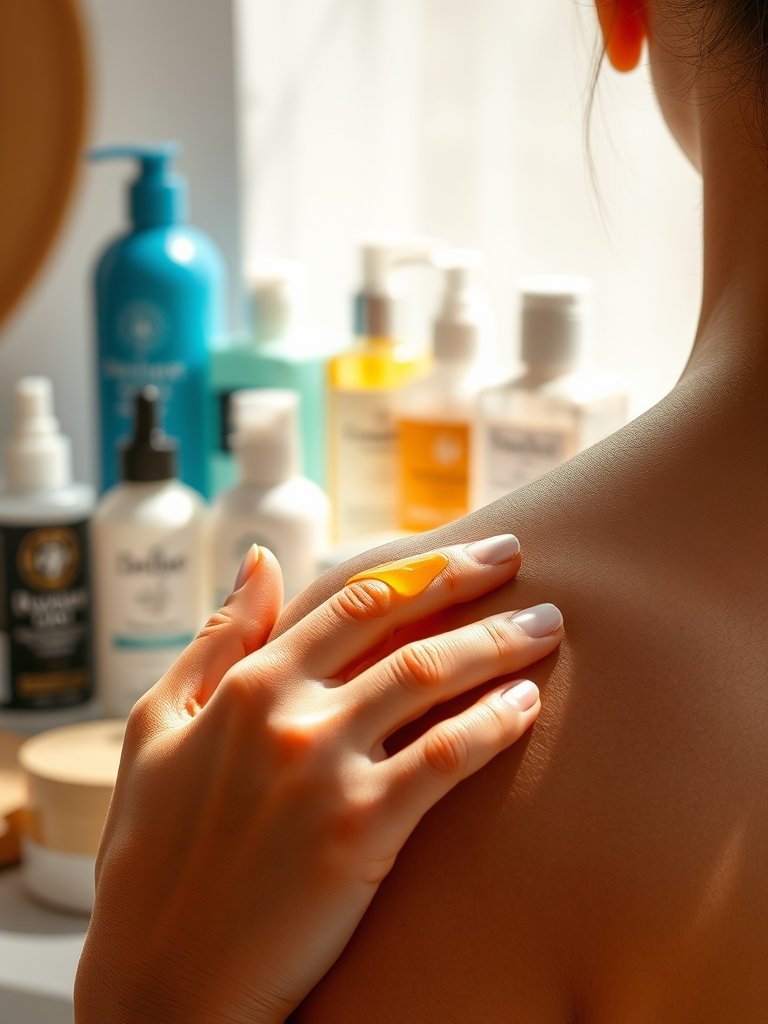
Use gloves or a mitt for even application. Start with small amounts and gradually build color. Avoid thick layers, which often lead to streaks. -
Moisturize Every Day
A rich body moisturizer helps your tan fade evenly and keeps skin healthy. Try layering in hydration techniques found in Glass Skin Routine: The Amazing Ways To Achieve A Dewy Glow. -
Don’t Skip SPF
DHA does not protect you from UV damage. Use a broad-spectrum sunscreen daily, even after self-tanning. For tips, see Body Sunscreen Lotion: 7 Proven Secrets for Maximum Skin Protection. -
Reapply Carefully to Maintain
As your tan fades (usually 5-7 days), gently exfoliate and touch up with a light layer.
For a healthy skin barrier during frequent tanning, alternate with deeply hydrating and repair-focused body lotions between tanning sessions. See Body Skin Barrier: 7 Best Ways To Repair Fast With This Proven Strategy for additional advice if you notice dryness or irritation.
Struggling with patchy results or tan fading too fast? Add collagen-boosting and gentle exfoliation strategies from Skin Cycling Routine: 7 Amazing Ways to Transform Your Skin (Proven Guide).
Advanced Analysis & Common Pitfalls
While self-tanning and body care can deliver glowing results, recurring issues can quickly undermine your efforts. Here’s what users and scientific reviews say:
- Skin Reactions and Sensitizers: In a review of top tanning products, almost 2% of users reported irritation, dermatitis, or pigment changes. Emerging actives like melanotan and melanoidins may also be riskier for sensitive types.
- Poor Hydration and Premature Fading: Skipping daily hydration or choosing the wrong formula leads to streaks and rapid tan loss.
- UV Exposure Risk: Since only 3% of self-tanners include sunscreen, users often forget to protect their tan—and their skin ends up damaged (source: PubMed).
- Overlooking Pre-Tan Protein Prep: Most routines skip the methionine sulfoxide/amino acid prep step, missing out on deeper and longer-lasting color (read more).
- Confusion Between Body Oils: Regular oils hydrate but don’t build color. Tanning oils are always DHA-based—don’t skip this distinction.
| Product Type | Active Tanning Ingredients | Hydration Support | UV Protection | Common Risks |
|---|---|---|---|---|
| Self-Tanning Lotion | DHA (3-5%), Erythrulose | Argan, Cucumber, Rosehip Oil | Rarely included | Up to 2% skin irritation, patchiness |
| Tanning Body Oil | DHA, Erythrulose, Melanin | Same (plus lightweight feel) | No | Allergic reactions, quick fading if no daily moisturizer |
| Regular Body Oil | None | Excellent | No | No tan development; may make tan fade faster if over-applied |
For those with dryness issues, strengthen your body skin barrier with nourishing lotions as described in Body Lotion for Dry Skin: 8 Essential Secrets to Unleashing Smooth, Hydrated Skin.
Conclusion
Selecting the best tanning body care products means paying close attention to your skin type, ingredient list, and application strategy. Prioritize formulas that combine DHA with hydrating and barrier-support ingredients for longer-lasting, natural results. Remember, protection is just as vital as perfection—use SPF, hydrate daily, and address any irritation immediately. For expert advice on skin layering, see our Niacinamide Body Lotion: 5 Fantastic Ways to Improve Your Skincare Routine guide. Ready to transform your glow? Start your next self-tanning routine with confidence.
Explore more tips and the latest innovations in skin care by browsing our body and facial care routines.
FAQ
What is the safest active ingredient in tanning body care products?
Dihydroxyacetone (DHA) is considered the safest and most effective active, according to dermatologist research and FDA guidelines. Always do a patch test for sensitivities.
Why does my self-tan fade so quickly?
Quick fading is usually due to dehydration, harsh soaps, or not prepping skin with exfoliation and moisturizing. Reapply gentle body lotion and avoid excessive scrubbing.
Can I use regular body oil over my self-tanner?
Yes, but use a light amount. Heavy oils can sometimes cause uneven fading. For best results, pair with a hydrating, lightweight moisturizer between tanning sessions.
Is it necessary to use sunscreen after self-tanning?
Absolutely. Most sunless tanners do not offer any UV protection. Layer broad-spectrum SPF daily to prevent skin damage, even when tanned.
How do tanning body oils differ from standard body oils?
Tanning body oils are formulated with DHA or erythrulose for color development, while regular oils focus only on hydration and don’t affect skin tone.