

Body lotion for dry skin is not just a luxury—it’s essential if you want real, long-lasting relief from tightness, flakes, and discomfort. Getting the right product and routine makes a huge difference in how your skin feels and looks, especially when dry weather or sensitive conditions hit.
Key Takeaways
- Clinically proven ingredients like ceramides, humectants, and formulas with colloidal oatmeal deliver the best results for dry and cracked skin.
- Affordable body lotions can outperform expensive formulas if they contain key barrier-repair and hydration boosters.
- Watch out for greasy residue and ensure your lotion choice supports barrier health—especially if you deal with persistent dryness or eczema.
- Understanding Body Lotion for Dry Skin: What Works and Why
- Step-by-Step Guide: Maximizing Hydration and Recovery
- Advanced Analysis & Common Pitfalls
- Conclusion
- FAQ
Understanding Body Lotion for Dry Skin: What Works and Why
Dry skin happens when your skin barrier can’t hold in moisture. Effective body lotions for dry skin do more than just make you feel smooth for an hour—they target the root causes by restoring the skin’s lipid barrier, intensely hydrating, and sometimes even supporting the skin’s natural microbiome. Clinical studies show that lotions with ceramides and natural oils not only boost hydration, but also reduce transepidermal water loss (TEWL), help balance skin lipids, and encourage healthier, calmer skin over time.
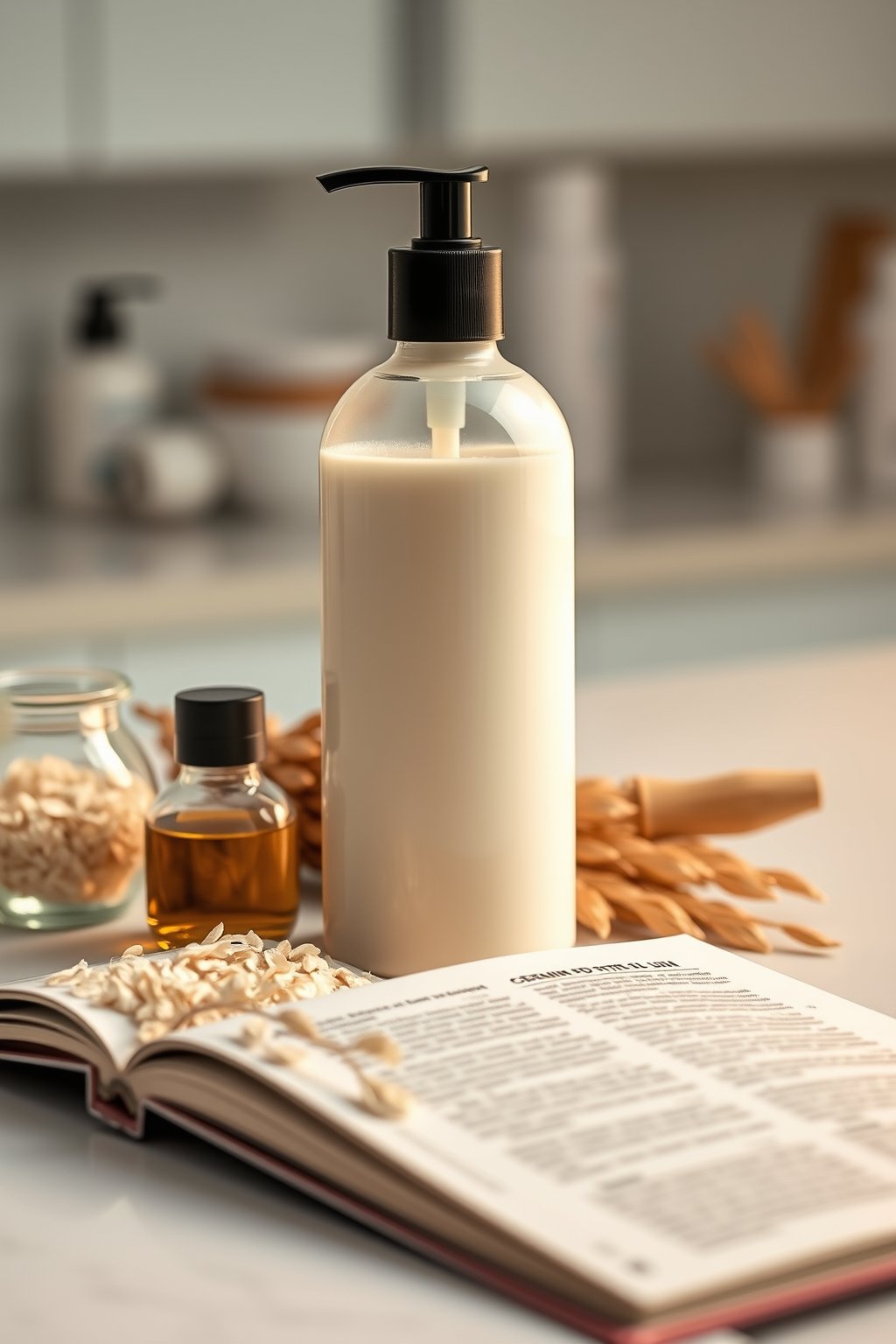
Unlike typical moisturizers, formulas designed for both dry and cracked skin combine humectants (like glycerin and hyaluronic acid) that attract water, occlusives and emollients to lock it in, and specialized actives like prebiotic thermal water or colloidal oatmeal to target irritation. If you’re dealing with cracked skin or eczema, look for lotions that have clinical backing for barrier repair—this means reduced symptoms and less discomfort over time. For more about healing a damaged barrier, this barrier repair moisturizer guide breaks down proven approaches.
Recent research even shows how certain lotions can help shift your skin’s microbiome and lipid profile, supporting healing from within. (See this published study on ceramide + oil body lotion.)
Step-by-Step Guide: Maximizing Hydration and Recovery
- Strategically Time Your Application: Always apply body lotion right after showering or bathing, when your skin is still slightly damp. Damp skin absorbs hydration better and helps your lotion seal in more moisture.
- Choose Ingredients That Repair (Not Just Soften): Look for labels featuring ceramides, natural moisturizing factors, glycerin, or hyaluronic acid. If you have irritation or eczema, seek out formulas with colloidal oatmeal or shea butter, both endorsed by dermatologists.
- Apply in Sections: Work in small sections—legs, arms, torso—using gentle, upward strokes for better absorption and less tugging.
- Double Down for Cracked Skin: For stubborn spots (like elbows, knees, or hands), apply a thicker layer at night and cover with soft cotton clothing to lock it in. This is especially effective for eczema-prone areas.
- Review Your Hydration at Night: If you wake up with tightness or flaking, reassess your routine or switch to a more intensive, clinical-grade lotion.
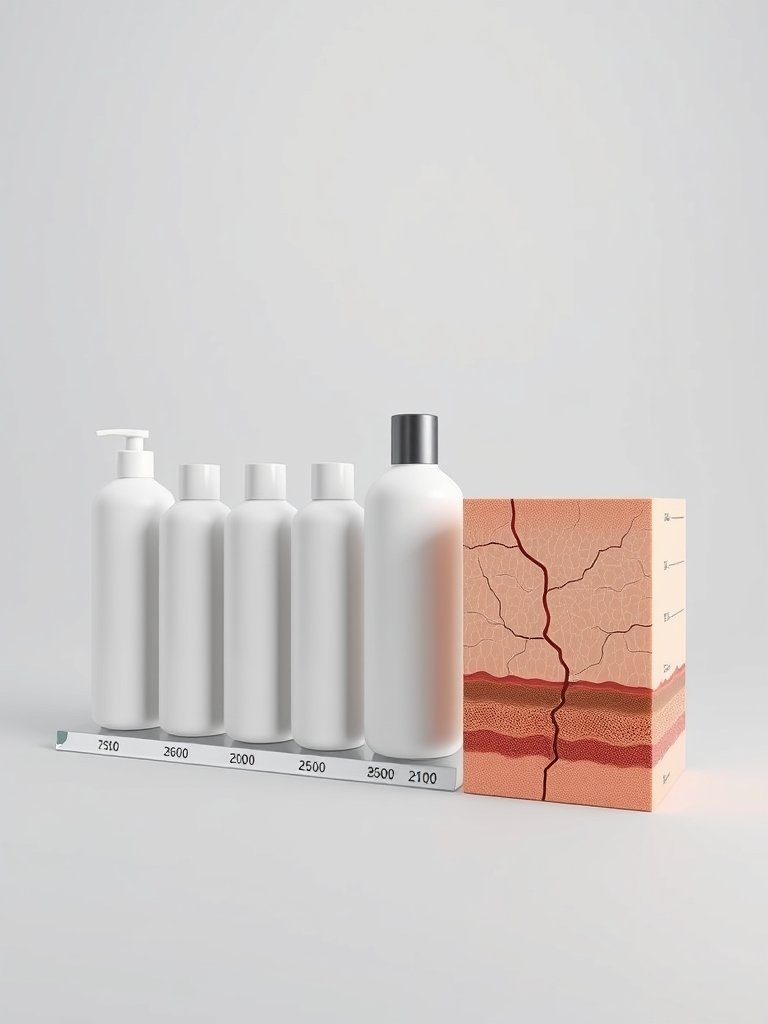
Need to strengthen the overall body skin barrier? Check out the body skin barrier repair guide for more strategies and products that deliver deeper barrier support.
For routines that help dramatically transform skin, layering hydrating products—just like in a skin cycling routine—can further boost results. If you’re struggling with patchy hydration, you can also explore glass skin methods covered in our glass skin routine guide.
Advanced Analysis & Common Pitfalls
Even top-rated lotions for dry skin have some downsides. Many users complain about greasy residue left on skin—this is especially common with high-occlusive formulas meant for intense hydration. Consumer advocates and professional testers have noted that some affordable “eco-friendly” formulas hydrate well, but the sticky feeling can last for hours, which makes daily use uncomfortable for some.
| Brand/Product | Key Ingredients | Efficacy (Testing/Clinical Data) | User Satisfaction | Approximate Price |
|---|---|---|---|---|
| Vaseline Intensive Care Advanced Repair | Occlusives, Emollients | Up to 40% skin hydration increase in lab tests [source] | Affordable, but some users dislike the feel | Under $15 |
| Eucerin Advanced Repair Lotion | Ceramides, Natural Moisturizing Factors | Deep barrier repair; backed by clinical results | High for dry skin; some report residue | $15–$20 |
| La Roche-Posay Lipikar Balm AP+M | Prebiotic Thermal Water, Shea Butter | Developed for eczema-prone, dry skin; soothes irritation | Positive for sensitive skin | $20–$30 |
| Aveeno Daily Moisturizing Lotion | Colloidal Oatmeal | Hydrates and soothes | Popular for irritation relief | Under $15 |
| Ceramide + Natural Oils Lotion (clinical study) | Ceramides, Natural Oils | Significantly improves hydration, TEWL, lipid/microbiome balance [study] | No consumer data, but excellent clinical results | N/A |
Other pitfalls include not patch-testing new formulas (some hydrating actives can cause breakouts or itchiness for sensitive users), not reapplying during harsh conditions, and over-relying on product marketing claims instead of checking for real clinical data.
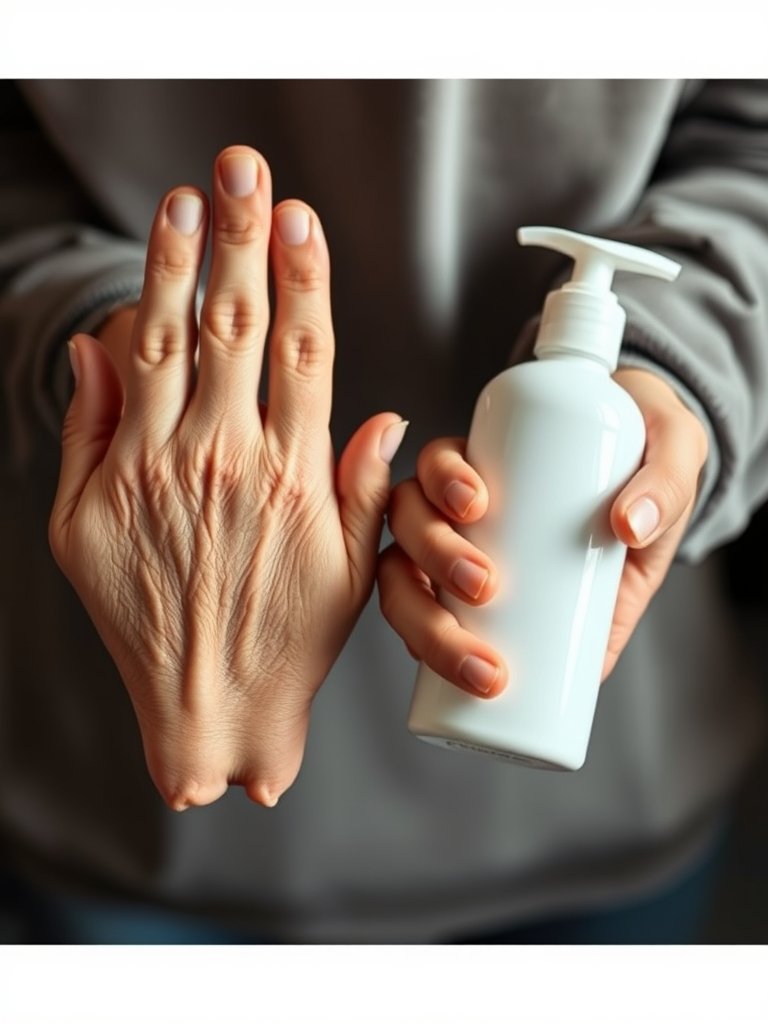
No single lotion fits everyone—all bodies react differently based on genetics, climate, and how compromised your barrier is. If classic options still leave you flaky, it may be time to explore niacinamide body lotions or seek formulas that support both lipidomics and your skin microbiome for deeper results (an area many top sites still don’t cover—a clinical frontier revealed in these studies).
Be sure to check for certifications: FDA-approved skin protectants like colloidal oatmeal, or specific clinical validation for eczema-prone, cracked skin. Lowering TEWL (transepidermal water loss) is also a strong indicator of lasting hydration—this is measured in top clinical trials [see this study].
Want fast skin smoothing? Add a barrier-repair step alongside your lotion—find out how in our body skin barrier repair guide.
Conclusion
Dry, tight, or cracked skin doesn’t have to be your daily normal. Smart layering of the right body lotion for dry skin—backed by clinical evidence and proven ingredients—improves skin comfort, appearance, and resilience. Focus on formulas with ceramides, humectants, and verified barrier-repair actives, and don’t ignore low-cost clinical options for high performance. Ready to end the discomfort? Find your best routine, stay consistent, and reclaim smooth, healthy skin—starting today.
Looking to take your skincare routine further? Explore barrier repair methods, the power of skin cycling, or get expert strategies for supercharging hydration in our glass skin guide.
FAQ
What ingredients should I look for in a body lotion for dry skin?
Ceramides, humectants (glycerin, hyaluronic acid), occlusives (petrolatum, dimethicone), and colloidal oatmeal are most effective for lasting barrier repair and hydration. These ingredients are backed by both clinical trials and dermatologist recommendations.
Can affordable lotions work as well as expensive ones?
Yes. Clinical testing shows drugstore lotions like Vaseline Intensive Care and Aveeno can increase skin hydration up to 40%—sometimes outperforming pricier alternatives—if they contain essential barrier-repair actives.
Why does my lotion leave a greasy residue?
Rich occlusives or heavy emollients can leave a sticky or shiny feel, especially with formulas aimed at intense hydration. Try patting off excess or searching for “non-greasy” formulas tested for fast absorption.
What is TEWL and why does it matter?
TEWL (transepidermal water loss) is a key measurement of how much moisture is escaping from your skin. Lower TEWL indicates better barrier function and long-lasting hydration—look for products with clinical TEWL results.
How do I know if a product supports my skin barrier and microbiome?
Check if the lotion mentions ceramides, lipid replenishment, or microbiome-friendly claims—with references to clinical trials or research. Published studies on some ceramide-rich formulas show positive lipid and microbiome shifts for dry skin relief.