

Body sunscreen lotion is a staple in any effective skincare routine, yet most people still misuse it or pick the wrong formula for daily life. Whether you’re at the beach or just walking to work, making sense of SPF ratings, application amounts, and which bottles are actually worth your money can feel overwhelming. Here’s a field-tested, dermatologist-backed guide to choosing and using a body sunscreen lotion for real, lasting protection.
Key Takeaways
- Most people under-apply body sunscreen lotion, reducing its SPF by threequarters—regular, correct use cuts skin cancer risk sharply.
- The highest SPF isn’t always best; broad-spectrum and correct reapplication matter just as much for realistic daily protection.
- Lotions often outperform sprays for even coverage, especially for those with sensitive or irritation-prone skin.
- What Makes an Effective Body Sunscreen Lotion?
- How to Use Body Sunscreen Lotion for Maximum Protection
- Advanced Analysis & Common Pitfalls
- Conclusion
- Frequently Asked Questions
What Makes an Effective Body Sunscreen Lotion?
An effective body sunscreen lotion defends against both UVA and UVB rays, absorbs easily, is comfortable to wear throughout the day, and does not provoke irritation. SPF (Sun Protection Factor) ratings show UVB (burning ray) protection, but real-world studies reveal that proper application and reapplication—rather than just higher SPF—make the difference. SPF 30 lotion, correctly applied, blocks about 97 percent of UVB rays, while SPF 50 boosts this only slightly to 98 percent, according to Stanford dermatology research and the American Academy of Dermatology.
Broad-spectrum labeling ensures your lotion protects against UVA (aging, deeper penetration) as well as UVB rays, lowering the risk of skin cancer and premature skin aging.

However, few people use enough lotion to really reach the tested SPF on the bottle. Most adults should use about 30 milliliters (a generous shot-glass full) for full body coverage, and reapply every two hours. Using less drastically reduces protection—one study found people typically use just a quarter of the recommended amount, diluting a labeled SPF 30 into an actual SPF of around 7.
Lotion formulas—especially mineral-based, fragrance-free options—are often recommended for sensitive or allergic skin. Repairing the body skin barrier can further help reduce sunscreen-related irritation.
How to Use Body Sunscreen Lotion for Maximum Protection
Apply sunscreen properly to get real-world protection instead of a false sense of security. Here’s a practical step-by-step process to maximize the benefits and reduce risk.
- Choose a broad-spectrum, water-resistant body sunscreen lotion with SPF 30 or higher.
A fragrance-free, mineral-based formula (like zinc oxide or titanium dioxide) is best for sensitive skin or kids. - Use enough lotion—about 30 ml (one shot glass) for full body.
Don’t skimp, and pay extra attention to often-missed spots: back of legs, ears, backs of arms, tops of feet, neck. - Apply 15 to 30 minutes before going outside.
This gives time for absorption and reduces the risk of rub-off on clothing. - Reapply every two hours and immediately after swimming or sweating.
Even water-resistant formulas lose their effectiveness over time with swimming or toweling off. - Layer with other skin protection strategies.
Combine with sun-protective clothing, hats, and a smart skin cycling routine for all-day defense and better skin health.
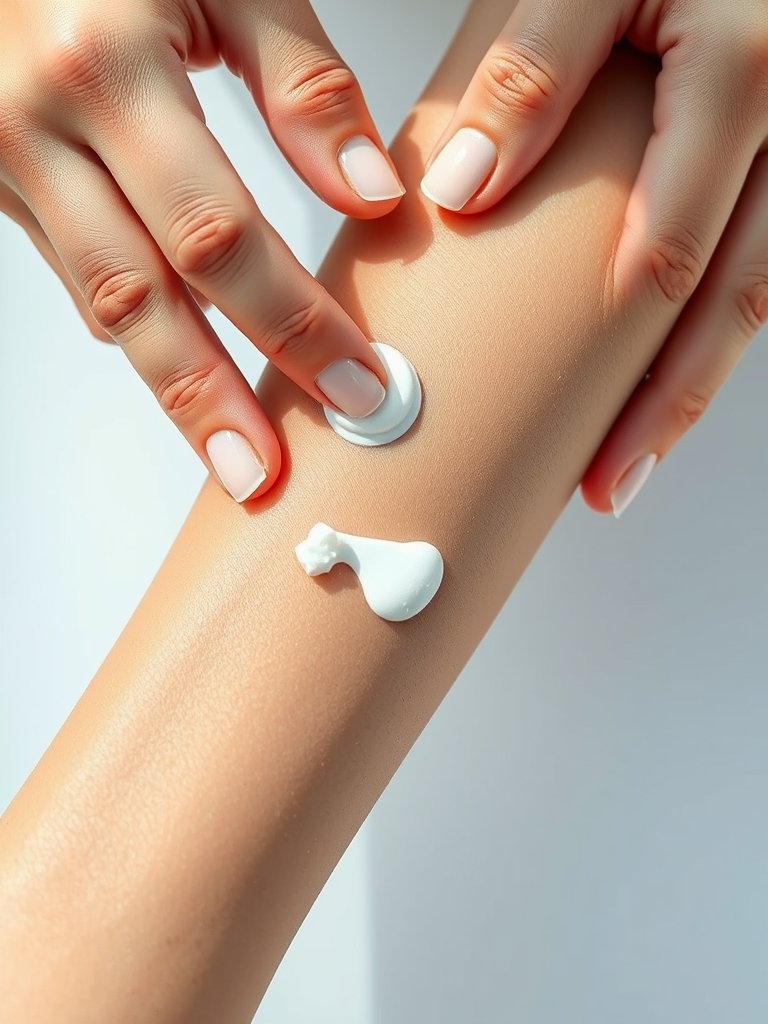
For people managing ongoing irritation, try a barrier repair moisturizer in your routine, and consider mineral options, which are less likely to trigger sensitivity compared to chemical filters or preservatives.
If your focus is overall healthy skin for body and scalp, see guides like scalp skin barrier repair and peptide serums for barrier support.
Advanced Analysis & Common Pitfalls
Missteps with body sunscreen lotion are so common that most people lose the true benefit, even with high-quality products. Here are the major pitfalls and how to overcome them, according to dermatology research:
- Underapplication. The most frequent issue. Most users apply only a quarter of the required amount, reducing a labeled SPF 30 down to real-world SPF 7 or less. Always measure or use the “shot glass” rule.
- Overvaluing high SPF numbers. SPF 50 doesn’t hugely outperform SPF 30 and often feels thicker, greasier, or irritates sensitive skin. The gain (about 1 percent more UVB protection) isn’t dramatic. Focus on reapplication and the actual spread, not just the number.
- Choosing sprays for convenience—but sacrificing coverage. Spray sunscreen often goes on unevenly, making it easy to miss areas, reduce absorption, and increase risk for burns and sun damage. Stick to lotions for reliable, full-body results whenever possible.
- Ignoring broad-spectrum coverage. Many users fixate on SPF, but UVA protection (responsible for aging and long-term DNA damage) is just as necessary. Always select “broad-spectrum” labeled lotions.
- Leaving preservatives and fragrances unchecked. Preservatives and fragrances can combine with sun exposure to cause allergic reactions and dermatitis, especially for sensitive skin. Fragrance-free, mineral-based formulas reduce this risk (source).
| Feature | Body Sunscreen Lotion | Spray Sunscreen |
|---|---|---|
| Coverall | More even and reliable | Often patchy or incomplete |
| Absorption | Higher, especially if applied to dry skin in advance | Lower, spray particles can dissipate or miss skin |
| Sensitivity/Irritation | Minerals (zinc, titanium) low risk, especially fragrance-free | Some propellants irritating; patch test recommended |
| Ease of Use | Slower, requires manual spread | Faster, but accuracy suffers |
| Best For | Daily, prolonged sun, exposure, sensitive skin | Quick touch-ups when precision is less critical |
For extra strategies—like how sunscreen fits alongside night skincare routines and advanced at-home skin treatments—it’s crucial to stay consistent with daily protection as your base.

Conclusion
A body sunscreen lotion only protects you as much as you use it—correctly, generously, and consistently. Choose broad-spectrum, fragrance-free formulas with at least SPF 30, use a full shot glass worth for your body, and reapply every two hours (especially if you sweat or swim). This not only reduces your risk of burns but also significantly lowers your risk of melanoma and other skin cancers, as shown in real-life research (AAD). Don’t rely solely on numbers—look for true daily practicality, and repair your barrier if irritation occurs. Ready to upgrade your daily routine? Start with the right body sunscreen lotion and protect your skin for the long haul.
Get started by checking your application technique today—and consider reviewing barrier-friendly body care guides for an even stronger routine.
Frequently Asked Questions
How much body sunscreen lotion should I use for my body?
Dermatologists recommend about 30 milliliters—or a full shot glass—every time you apply, which covers all exposed body areas.
What’s the difference between SPF 30 and SPF 50 in real-world use?
SPF 30 blocks about 97 percent of UVB, while SPF 50 blocks 98 percent. Most people get far less benefit by underapplying, so focus on coverage and reapplication rather than chasing higher SPF numbers.
Does body sunscreen lotion prevent vitamin D production?
Moderate use of SPF around 15 to 30 does not significantly reduce vitamin D levels, based on available research. However, extremely diligent application with very high SPF could have a larger effect—studies are ongoing. See details at this dermatology consensus.
Is mineral or chemical sunscreen better for body use?
Mineral-based sunscreens (like zinc oxide and titanium dioxide) are ideal for sensitive, allergy-prone, or compromised skin barriers. Chemical sunscreens often feel lighter, but can cause irritation in some people. Fragrance-free minerals are recommended for frequent use.
Should I use body sunscreen lotion if I’m mostly indoors?
If you spend most of your day indoors, full body sunscreen may not be necessary, but it’s crucial for any period outdoors—even brief. Window glass does not block all UVA rays, so use on exposed skin if near windows for extended time.