

Body scrub for strawberry legs is one of the most effective ways to reduce the dark pores, rough bumps, and uneven skin texture that bother so many people after shaving or waxing. If you want your legs to look smooth and feel confident wearing shorts, you need to understand exactly why exfoliating body scrubs are a game changer—and what most guides never tell you about their real benefits and pitfalls.
Key Takeaways
- Exfoliating body scrubs remove the buildup that causes strawberry legs, including dead skin cells, oils, and trapped debris in pores and follicles.
- Success depends heavily on gentle technique, right frequency, and integrating scrubs into a broader routine—overuse can worsen irritation.
- Most “best body scrub for strawberry legs” guides ignore clinical data, ingredient science, and how scrubs fit into whole-body smooth skin strategies.
- Understanding Strawberry Legs & How Body Scrubs Help
- Step-by-Step: Using Body Scrub for Strawberry Legs
- Advanced Analysis & Common Pitfalls
- Conclusion
- Frequently Asked Questions
Understanding Strawberry Legs & How Body Scrubs Help
Strawberry legs happen when pores or hair follicles on your legs become clogged with a mix of oil, dead skin, dirt, and bacteria. These blockages get oxidized, turning those dark “dots” after hair removal into visible spots or rough patches. Other causes include folliculitis, keratosis pilaris (KP), ingrown hairs, and skin dryness—all leading to bumpy, uneven, or hyperpigmented skin. Westlake Dermatology and Cleveland Clinic both confirm these root causes.
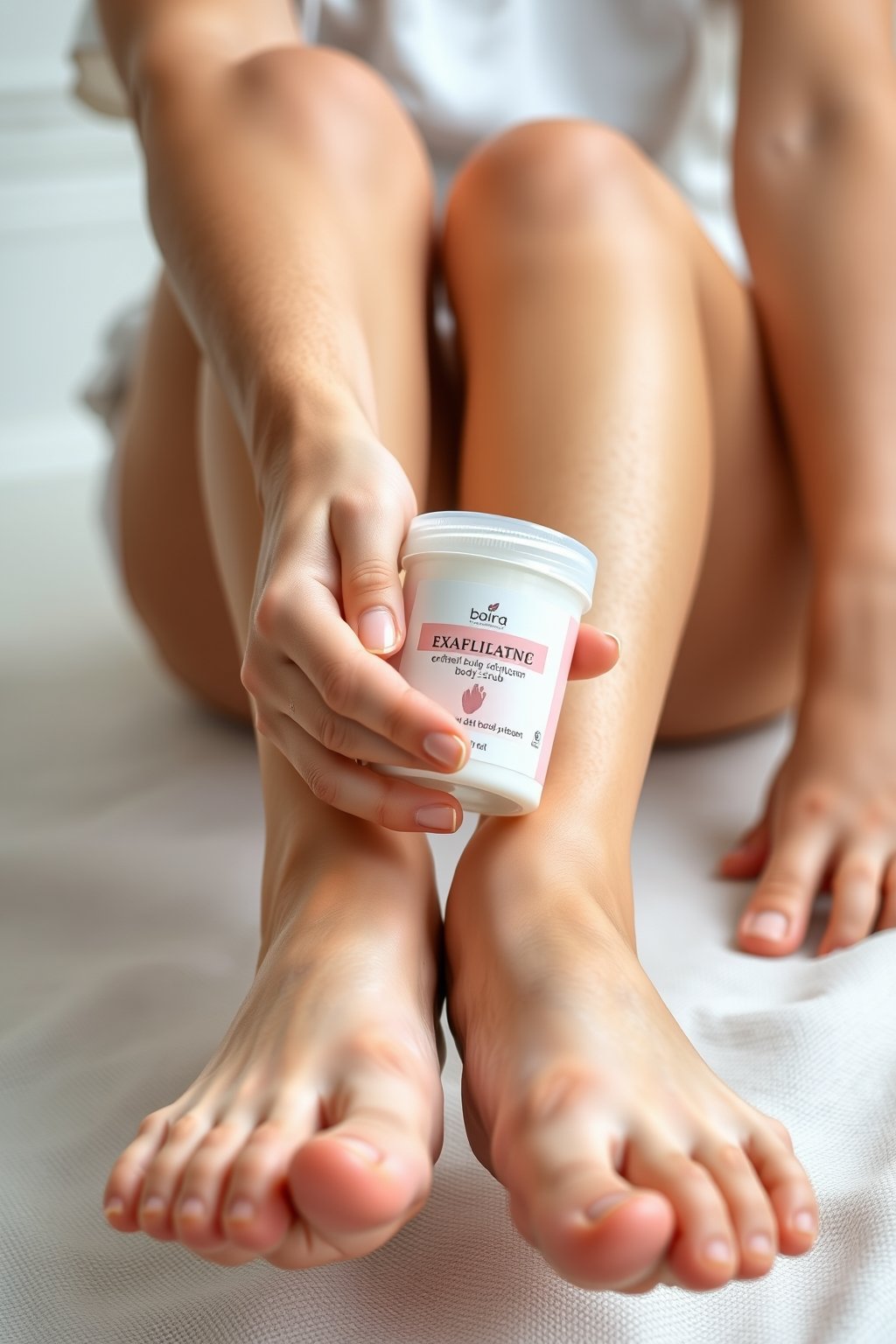
Exfoliating with a quality body scrub is one of the easiest, most accessible ways to target these issues. Physical scrubs (with gentle beads or sugar/salt) and chemical exfoliants (like glycolic or lactic acid) both help lift and clear away dead skin and oil, allowing pores to “breathe” and stopping those darkened dots from coming back. It’s also a simple way to prevent ingrown hairs and keep skin feeling polished and soft. Read more on Desert Essence about general strategies.
Step-by-Step: Using Body Scrub for Strawberry Legs
- Choose the right scrub for your skin: Start with a scrub that’s gentle and suits your skin type. People prone to bumps or folliculitis should look for smaller, rounded grains or a hybrid scrub with AHA/BHA acids for chemical exfoliation. Avoid anything too rough like walnut shell.
- Prep your legs: Always soften your skin first with warm (not hot) water for a few minutes. This helps open pores and reduces risk of over-exfoliation.
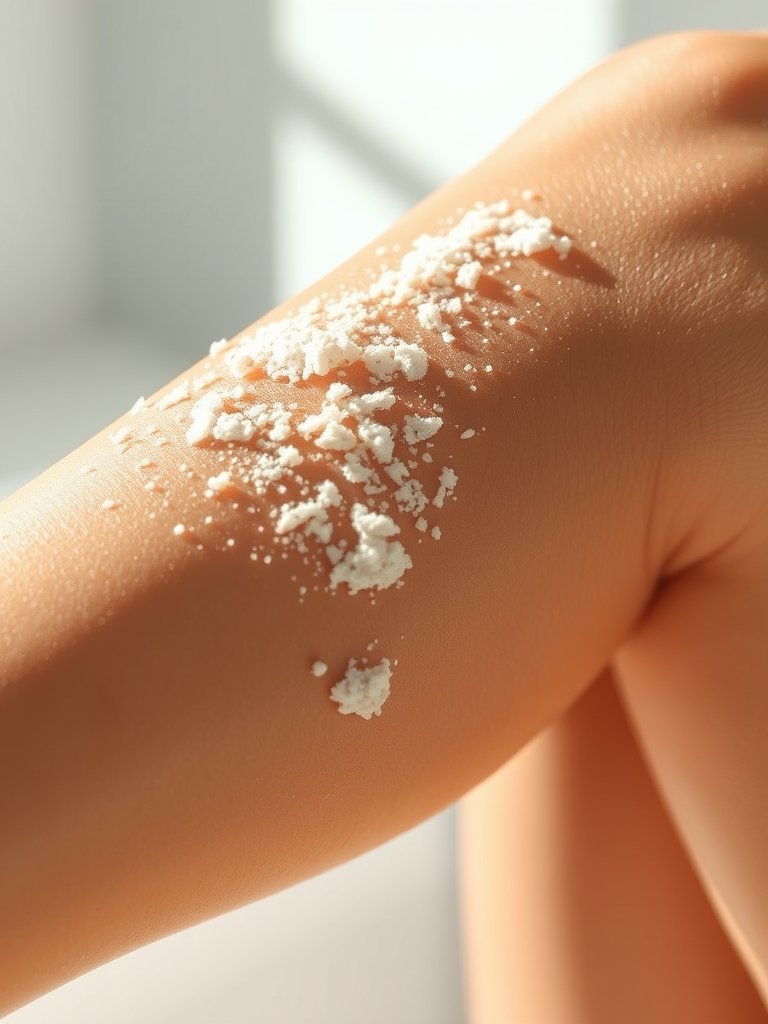
- Apply scrub in gentle circles: Use gentle, circular motions over your legs, focusing on rough or bumpy areas. Do not rub hard—let the scrub do the work. Spend about 30 seconds on each area.
- Rinse thoroughly: Wash away all residue so nothing’s leftover to clog your pores. Avoid harsh soaps right after.
- Hydrate and protect: After exfoliating, immediately apply a nourishing moisturizer. This locks in softness and minimizes irritation. See our body skin barrier repair guide for barrier-strengthening tips.
- Repeat with care: Exfoliate 1–2 times per week for most skin types. Sensitive or KP-prone legs may only need once a week. More often can cause redness or microtears.
- Complement with good shaving or hair removal practices: Always use a clean blade and shave in the direction of hair growth to prevent follicle irritation. For alternative methods, see our at-home waxing kit guide and laser hair removal at home guide.
To set yourself up for long-term success, integrate gentle retinol or niacinamide body lotions a few nights per week for improved tone and resilience—see this niacinamide body lotion guide for more info.
Advanced Analysis & Common Pitfalls
Most resources skip over the practical problems that come with using body scrubs for strawberry legs. Here’s what you need to know before you get started:
- No magic bullet: There’s no guarantee a scrub alone will fully erase strawberry legs, especially if you have keratosis pilaris or persistent folliculitis. Results usually require regular effort and a full routine.
- Irritation, redness, or breakouts: Over-exfoliating or using harsh scrubs (like fruit pits, large salt crystals, or aggressive mitts) can worsen redness and cause microtears. If your skin stings or looks raw, pull back and moisturize with a barrier-repair moisturizer.
- Lack of clinical proof: While exfoliating is recommended by dermatologists, there’s a lack of strong, quantified clinical data proving that body scrubs alone resolve strawberry legs in all cases.See more here.
- Wrong type of exfoliant: Choosing the wrong scrub (too harsh or too mild) is a top issue. For those with KP, a chemical exfoliant like lactic acid usually offers superior smoothing compared to only physical scrubs.
- Ignoring ingrown hairs and shaving habits: Scrubs work better when paired with improved shaving (use clean blades, hydrate the area, treat ingrowns with care). For hair removal alternatives, explore at-home laser guides.
| Body Scrub Type | Best For | Potential Downsides |
|---|---|---|
| Physical Scrub (sugar/salt beads, synthetic rounded granules) | Normal-to-oily skin, mild KP, occasional rough texture | Risk of microtears with harsh grains or overuse |
| Chemical Scrub (glycolic, lactic, salicylic acid) | Keratosis pilaris, frequent ingrown hairs, sensitive skin | Irritation if used with other actives or on broken skin |
| Hybrid Scrub (gentle beads + acids) | Stubborn or mixed-texture legs needing deeper polish | Expensive; may not suit all sensitivities. |
Even premium scrubs are typically much more affordable than in-clinic treatments like laser therapy, which can cost hundreds per session. However, if you have severe folliculitis or KP, you may get better results with a combination of body scrub, prescription creams, and, for hair removal, IPL devices—see this IPL hair removal safety guide for next steps.
Conclusion
Body scrub for strawberry legs is a powerful, budget-friendly tool for smoother, more even legs—but only if used as part of a complete, realistic routine. Remember to exfoliate gently and consistently, hydrate immediately after, and pair with smart shaving or long-term hair removal habits. If you want to finally feel confident in your skin, start your scrub routine today—then level up with retinol or niacinamide body care for your smoothest results.
Want more next-level skin tips? Explore our glass skin routine guide or sign up for exclusive updates below!
Frequently Asked Questions
How often should I use a body scrub for strawberry legs?
Most people see best results scrubbing 1–2 times per week. If your skin is very sensitive or you have keratosis pilaris, start with once per week and increase only if there’s no irritation.
What ingredients should I look for in a body scrub for strawberry legs?
Look for scrubs with gentle exfoliants like fine sugar or synthetic beads, or ingredients like glycolic, lactic, or salicylic acid for extra smoothing power. Avoid harsh particles like ground nutshells.
Are chemical or physical scrubs better for strawberry legs?
Chemical scrubs (with acids) often work better for keratosis pilaris and stubborn buildup, while gentle physical scrubs can quickly polish normal skin. For best results, alternate or combine both types.
Can body scrubs alone cure strawberry legs?
No, scrubs are most effective when part of a broader routine that includes proper shaving, hydration, and regular moisturizer use. Persistent cases may require dermatologist advice.
What should I do if my skin gets irritated from exfoliating?
Stop using the scrub, soothe the area with a barrier repair moisturizer, and let your skin heal before trying again. Reduce frequency or switch to a gentler formula if needed.