

Glycolic acid body wash delivers serious exfoliation and real results for anyone struggling with rough texture, bumps, or dull skin. But using it wisely makes all the difference between a smooth glow and unexpected irritation. This guide breaks down exactly how glycolic acid body washes work, actionable steps to maximize results, and the common pitfalls to watch for before you buy or try.
Key Takeaways
- Glycolic acid body wash improves skin texture and helps reduce bumps, but consistency and proper product choice are critical for results.
- Hydrating, balanced formulas with the right pH and concentration are essential to minimize irritation.
- Not all glycolic acid body washes are created equal—understanding key ingredients and pitfalls will help you pick what works best for your skin.
- What Is Glycolic Acid Body Wash and Why Use It?
- How to Use Glycolic Acid Body Wash: Step-by-Step Guide
- Advanced Analysis & Common Pitfalls
- Conclusion
- FAQ
What Is Glycolic Acid Body Wash and Why Use It?
Glycolic acid body wash is a cleanser that incorporates glycolic acid, an alpha hydroxy acid (AHA) known for its small molecular size and powerful exfoliating properties. Its main job is to break the bonds between dead skin cells, allowing them to be easily washed away in the shower. This not only reveals softer, smoother skin, but can also help with body acne, keratosis pilaris (“chicken skin”), rough elbows, and dullness.
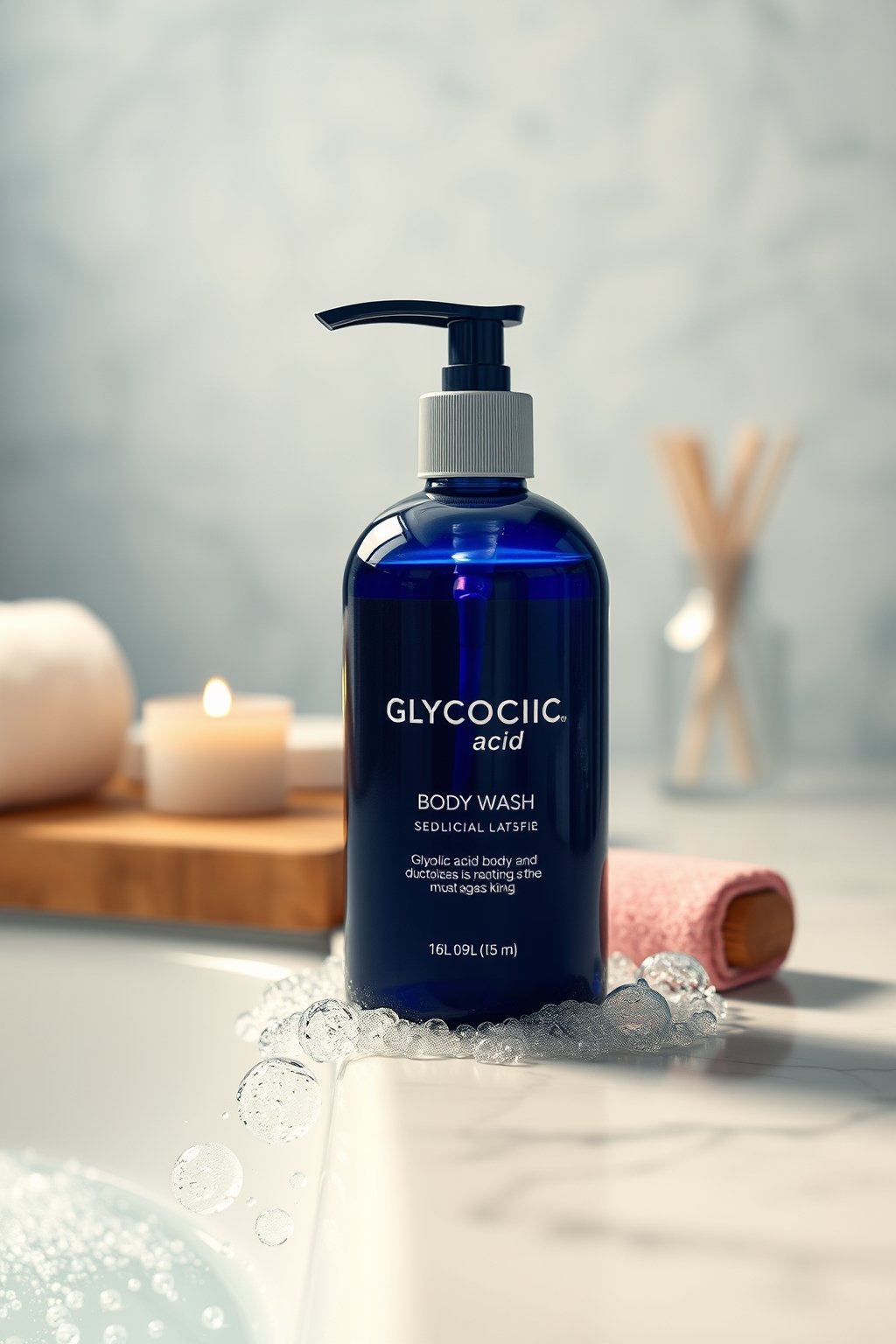
Why does it work so well? A study in the NCBI showed that glycolic acid formulas adjusted to pH 4 significantly boost collagen production and skin renewal—even after just 5 days of daily use. With consistent application, most people see a difference in texture and tone within 2 weeks. For a full breakdown on how actives like AHAs rotate in a complete skincare routine, check out our skin cycling routine guide.
The bottom line: glycolic acid body wash is not just for chemical exfoliation. It can enhance your body’s natural glow, fight breakouts, and support firmer, more resilient skin when used as part of a smart, barrier-friendly regimen.
How to Use Glycolic Acid Body Wash: Step-by-Step Guide
- Patch Test First: Before applying to larger areas, patch test on a small area (like the inside of your arm). Wait 24 hours for any signs of irritation, redness, or stinging.
- Wet Your Skin Thoroughly: Start with damp, clean skin in the shower. Glycolic acid penetrates better on moist skin but never apply to broken or freshly shaved skin.
- Lather and Gently Massage: Dispense a small amount and lather between your hands. Massage gently in circles over rough/bumpy areas, giving extra focus to elbows, arms, thighs, or wherever you want smoother results.
- Do Not Leave On Too Long: Most glycolic acid body washes are designed to rinse off after 30 seconds to 2 minutes. Avoid letting the product sit to prevent irritation.
- Rinse Well and Pat Dry: Thoroughly rinse away all product, then pat your skin dry—never rub.
- Apply a Barrier-Friendly Moisturizer: Immediately follow with a rich body lotion or barrier repair moisturizer (like those discussed here or in our body skin barrier repair guide).
- Use Sun Protection: Glycolic acid can increase sun sensitivity. Apply sunscreen to exposed areas daily—even if you cleanse at night. This is especially important for those using other strong ingredients (see our body sunscreen lotion guide).
- Start Slow: For sensitive skin, use every other day or 2–3 times weekly, gradually increasing frequency as tolerated.
- Monitor Your Skin: At the first sign of excess redness, dryness, burning, or peeling, take a break and rebuild your barrier with hydrating products before resuming.

If you’re already using other exfoliating acids, retinol, or doing regular body peels, you’ll want to reduce the frequency further. Too many actives at once quickly lead to irritation and barrier damage. See how to schedule and combine actives safely in our skin cycling routine.
Advanced Analysis & Common Pitfalls
Even with clinical backing, glycolic acid body wash is not a “more is better” product. Here’s what research—and real-world use—tells us about pitfalls and what to look out for:
- Irritation Risk: While a 5% formula at pH 4 is generally well tolerated, going above 8% or using products with more acidic pH can trigger redness, stinging, irritation, or barrier disruption—especially if your skin is dry, sensitive, or compromised.
- Increased Sun Sensitivity: All AHAs—including glycolic acid—make skin more prone to sunburn. Failure to apply broad-spectrum sunscreen increases risk of hyperpigmentation or sunburn.
- Not All Formulas Are Equal: Cheaper or poorly formulated glycolic acid products may lack hydrating and calming ingredients, making irritation far more likely. Look for formulas that include hydrating agents and are free of drying sulfates or harsh foaming agents.
- Over-Exfoliation: Pairing glycolic acid body wash with physical scrubs or using it too often can backfire, leading to flaking, peeling, and microtears.
- Contraindications: People with eczema, open wounds, or very compromised skin should avoid glycolic acid body washes. If you’re prone to allergic reactions, patch test every new product.
| Parameter | Safe/Effective | Potential Problems |
|---|---|---|
| Concentration (5%) | Daily use, low irritation, barrier safe | May be too gentle for severe texture issues |
| Concentration (8–15%) | Faster texture improvement | Greater risk of stinging, redness, dryness |
| pH ~4 | Optimal for efficacy/comfort | Too low = irritation; too high = no results |
| Bio-based alternatives (e.g., Purolic™) | Lower irritation potential | Availability/price may vary |
| Hydrating formula with calming ingredients | Supports skin barrier; safer for sensitive skin | Formulas without these can cause barrier damage |
| Mixing with strong actives (retinol, vitamin C) | Not recommended for most users; use on alternate days | Risk of irritation and barrier breakdown |
Want to explore other actives or find a gentler alternative? You might like our breakdown on niacinamide body lotions—which brighten and strengthen the barrier—or compare with options like retinol body lotions and body acne body washes that target breakouts.
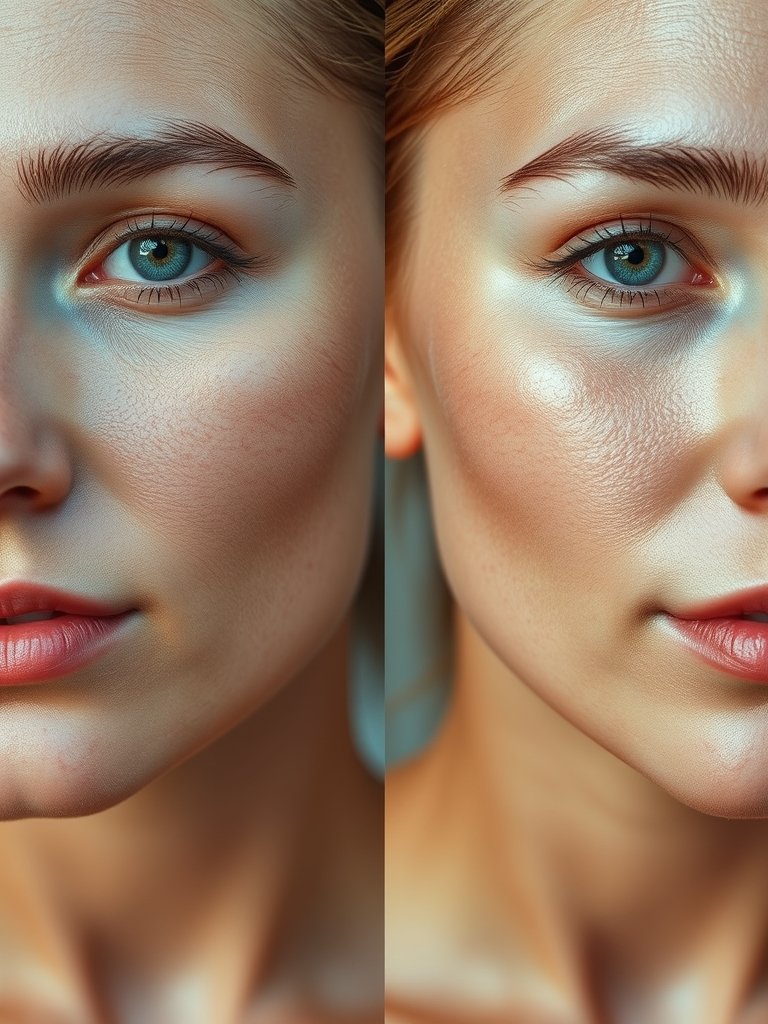
Clinical studies mainly focus on short-term (5–30 day) results, so long-term use safety, real-world compliance, and population-based outcomes are not fully known. For a full skin renewal routine, see our advice on building a glass skin routine.
Conclusion
Glycolic acid body wash can transform rough, dull, or bumpy skin and is clinically backed to boost both exfoliation and collagen production—if you choose the right formula and use it smartly. Stick to hydrating, barrier-friendly washes at or below 5% glycolic acid for daily use, or try higher percentages less frequently according to your skin’s tolerance. Always use sunscreen, and never ignore signs of irritation. Explore more about barrier repair and layering with our related guides to level up your results and keep your skin resilient. If you’re ready to try or upgrade your glycolic acid body wash, now’s the time—remember, smooth skin starts with smart, consistent care.
Ready for next steps? Dive deeper into barrier repair or build your ultimate body skin barrier routine for lasting results.
FAQ
Does glycolic acid body wash work for keratosis pilaris (chicken skin)?
Yes, glycolic acid body wash helps loosen and remove the dead skin cells that block hair follicles, making it effective for keratosis pilaris (“chicken skin”). However, results may take 2–4 weeks of regular use, and a rich moisturizer afterward boosts results.
Can I use glycolic acid body wash every day?
If the formula is mild (usually 5% glycolic acid at pH 4), daily use is generally safe for most people. Sensitive skin types or beginners may want to start 2–3 times weekly and build up. Always monitor for redness, stinging, or dryness.
What should I avoid combining with glycolic acid body wash?
Avoid using other strong actives such as retinol, vitamin C, or other exfoliating acids (AHAs or BHAs) on the same area right after glycolic acid. This can overwhelm your skin barrier and lead to irritation or even a compromised barrier.