

Retinol body lotion is gaining popularity as a body care essential—but how effective is it, what are the real risks, and how do you make it work for your skin goals? This guide is your no-fluff, realistic manual to getting real anti-aging results from retinol body lotions, while sidestepping common pitfalls.
Key Takeaways
- High-concentration retinol body lotions (>0.5%) can visibly target wrinkles, texture, and firmness, but may irritate if not used properly.
- Most user complaints stem from dryness and sensitivity, which you can often avoid with gradual introduction and layering with moisturizers.
- Look for formulas with encapsulated retinol and added hydrators for best results and lower irritation.
- Retinol Body Lotion: What It Is and Why It Matters
- How to Use Retinol Body Lotion for Real Results
- Advanced Insights: Pitfalls, Technical Specs, and Market Trends
- Conclusion
- FAQs
Retinol Body Lotion: What It Is and Why It Matters
Retinol body lotion is a moisturizing treatment formulated with vitamin A derivatives, engineered to boost collagen production, improve skin cell turnover, and visibly smooth texture and wrinkles—specifically on the body. Unlike facial retinol, these lotions are designed for larger surface areas, thicker skin, and tend to include moisture-boosting ingredients to counteract irritation.
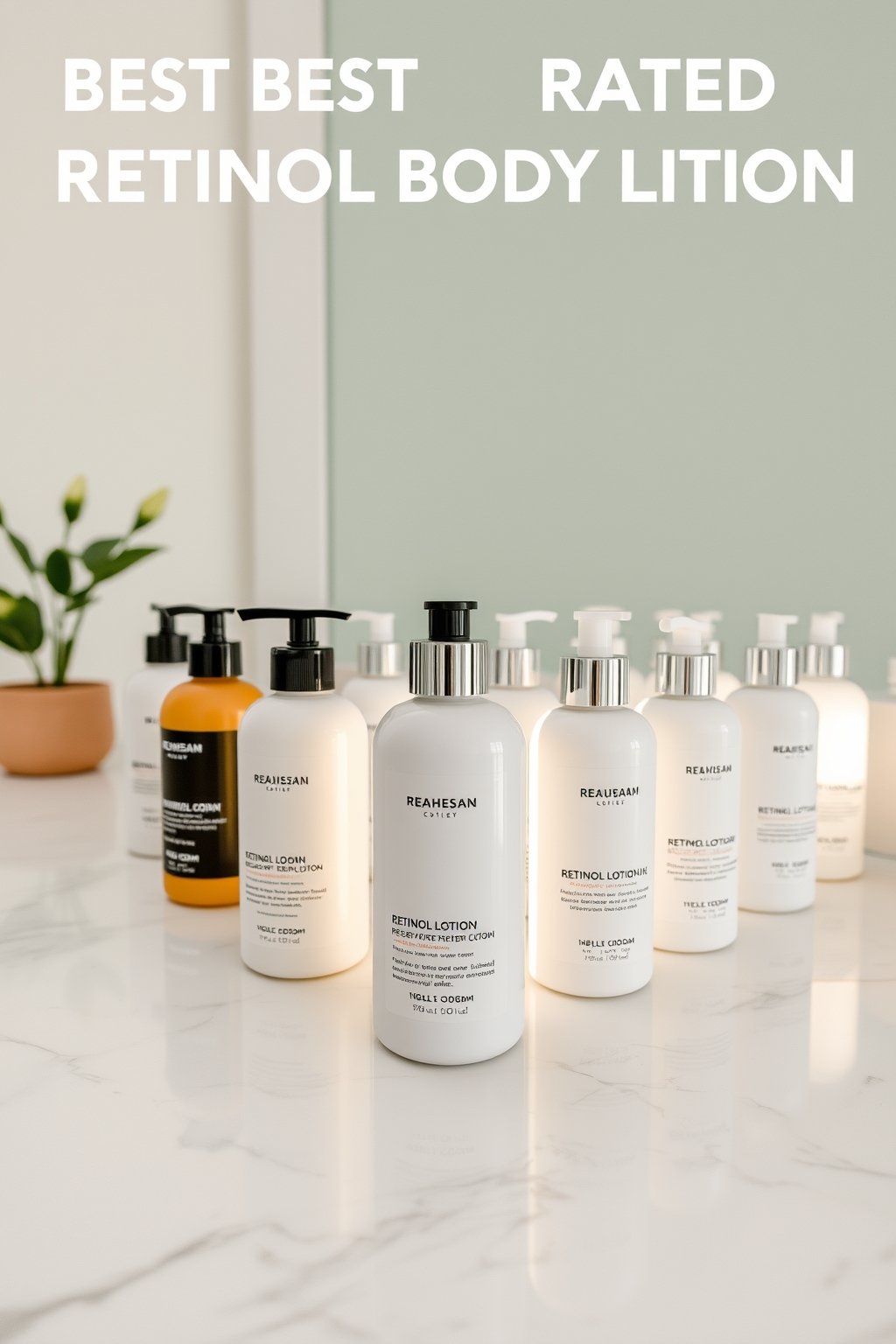
Retinol is clinically shown to reduce fine lines, even tone, and improve firmness by stimulating collagen and elastin—in facial studies, noticeable improvements begin within weeks, with more dramatic results after 2–3 months. Studies on the body are fewer but promising. Most body lotions use 0.1%–0.5% retinol, with higher strengths reserved for advanced concerns or experienced users. The global market for retinol body care is growing rapidly, thanks to social media, more research, and visible at-home results. Read the latest insight here.
To understand how retinol fits into a whole-body skincare strategy, consider layering with hydrating, barrier-repair products—learn more in our skin cycling routine guide.
How to Use Retinol Body Lotion for Real Results
Ready to start? Here are real-world steps to achieve firmer, smoother skin without unnecessary irritation:
- Patch test first. Before your first full-body use, apply a small amount of the lotion on a non-sensitive patch (inner arm, behind knee) and wait 24 hours to check for irritation.
- Start slow, especially with high concentrations. Begin 2–3 times per week, slowly increasing frequency as your skin builds tolerance. High-concentration formulas (>0.5%) should be reserved for stubborn areas or experienced users.
- Layer with gentle hydrators. To avoid dryness, apply retinol lotion to clean, dry skin, then layer a barrier-repair cream (like those in our body skin barrier guide). This shields from sensitivity while amplifying results.
- Apply at night and avoid sun immediately after. Sun exposure can worsen irritation—even if most body retinols don’t induce photosensitivity, always use SPF on exposed areas during the day.
- Be patient with results. Real improvement in firmness and texture needs consistency. Results typically emerge after 4–6 weeks, but significant change may take 3 months.
- If irritation occurs, pause and reset. Redness, flaking, or stinging? Switch back to moisturizer, and reintroduce retinol at a lower frequency.
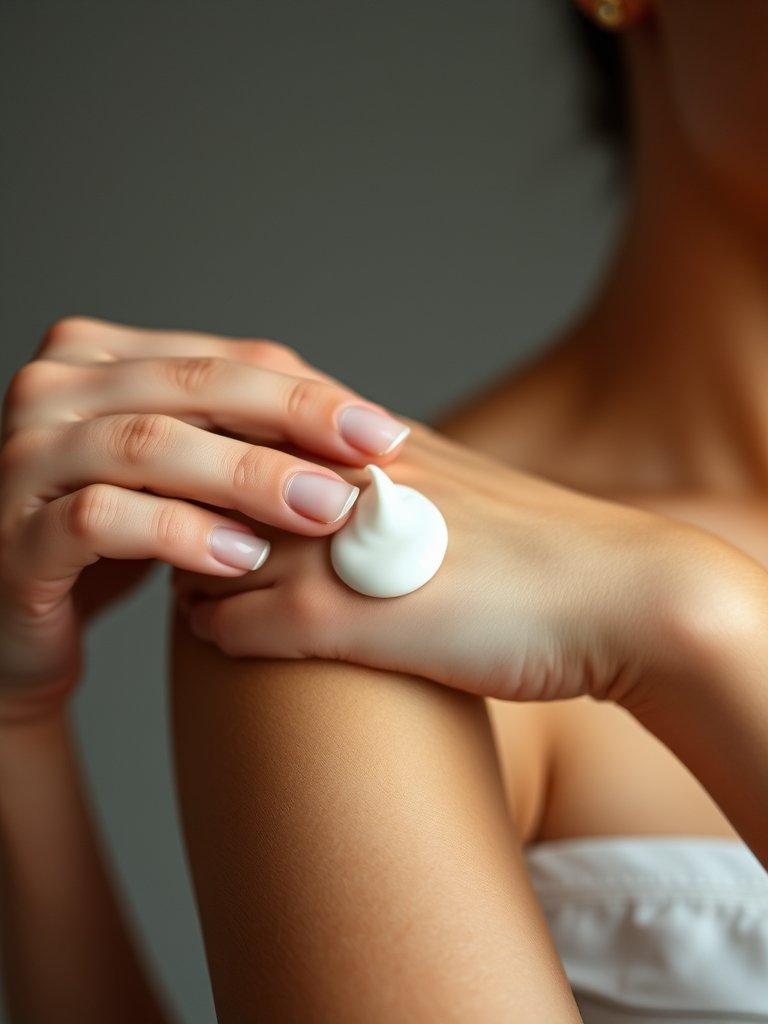
For optimal firming, select a body lotion with encapsulated retinol for release over time, and look for synergistic ingredients like glycerin, hyaluronic acid, peptides, or ceramides. If you’re very sensitive, alternatives such as bakuchiol offer similar anti-aging effects with less irritation—see our retinol alternatives guide for practical options.
If you already use facial retinol or chemical exfoliants (like those detailed in our at-home chemical peel guide), avoid doubling up on the same body area in one session to minimize irritation.
Advanced Insights: Pitfalls, Technical Specs, and Market Trends
The science is promising—but a few factors trip up new users. Here’s what matters, and mistakes to avoid:
Common Pitfalls & How to Avoid Them
- Overuse or high concentration too soon. Jumping to nightly high-strength retinol causes itching, burning, and peeling. Research shows body lotions above 0.5% retinol are best reserved for resilient or mature skin and should be introduced slowly. See more on market trends.
- Skipping barrier repair. Retinol “purging” and irritation are usually aggravated by dry, compromised skin. Barrier-building creams layered underneath make a big difference; explore top performers in our barrier repair guide.
- Expecting overnight transformation. Even at clinical strengths, measurable change appears after consistent use—weeks or months, not days. Clinical facial studies note visible differences in 4–8 weeks; the body may take longer due to thicker skin.
- Not protecting with SPF. While body retinol is less likely to cause photosensitivity, daily sunscreen is still non-negotiable, especially for exposed areas.
Technical Specs: What to Look For
| Feature | Best For | Why It Matters |
|---|---|---|
| Encapsulated Retinol | Sensitive, mature, or dry skin | Provides slow, controlled release; less irritation. |
| Retinol 0.1–0.3% | Mild aging, prevention, maintenance | Balances results and tolerability for new users. |
| Retinol 0.5%–1% | Deep lines, sun damage, advanced aging | Aggressive resurfacing, but may irritate; experienced users only. |
| Moisturizers (Glycerin, Hyaluronic Acid, Ceramides) | Everyone | Counteracts dryness, supports barrier repair. |
| Bakuchiol (Retinol Alternative) | Sensitive or reactive skin | Clinically proven to reduce wrinkles with less irritation. See clinical data. |
Market Trends Nobody’s Talking About
- Encapsulation tech is on the rise. Brands are using it to stabilize retinol and make it gentler—important for body use where irritation can cover large areas.
- Segment growth is huge. High-potency body retinol creams made up 45% of market revenue in 2023, with projections to double by 2035. Market report
- Bakuchiol is gaining traction as a retinol alternative, especially as more users report sensitivities.
- Price transparency is lacking. Few brands list retinol %, so always check ingredients or email brands for the actual concentration.
Want to maintain youthful skin across the board? See our new skin longevity supplement strategies to pair internal and topical approaches for full-body benefits.

Conclusion
Retinol body lotion is a science-backed way to target wrinkles, texture, and firmness—if you use it properly. Go slow, combine with rich hydrators, and choose the right formula for your needs and experience level. While body studies are less abundant than for the face, strong indirect evidence and market growth show this is a serious game-changer for body skin. Ready to transform your skin? Choose a high-quality retinol body lotion, follow these best practices, and always listen to your skin’s signals. Explore our related guides or jump straight to barrier repair picks to amplify your results.
FAQs
Is retinol body lotion safe to use daily?
Most people should start with 2–3 times per week, working up to daily if tolerated. High concentrations (>0.5%) are best kept to less frequent use, at least initially. Always monitor for dryness or irritation