

PDRN serum is rapidly gaining interest in skincare thanks to clinical evidence that it can visibly firm, hydrate, and repair damaged skin. But is it worth the hype, and how does it really compare against other advanced serums? This guide breaks down everything you need to know—real-world scientific results, ingredient comparisons, practical application steps, and the honest drawbacks and pitfalls most blogs avoid.
Key Takeaways
- Clinical studies show PDRN serum can boost skin hydration and elasticity by over 20% within four sessions, with dose-dependent benefits.
- PDRN can be from salmon DNA or plant (vegan) sources, but concentrations and effects vary—always check an ingredient list for real potency.
- Topical PDRN serums are generally well-tolerated but lack FDA approval for cosmetic use in the US and may carry potential allergy risks.
- What Is PDRN Serum and Why Is It Trending?
- How to Use PDRN Serum for Maximum Results (Step-by-Step)
- Real-World Results, Pitfalls & Side Effects of PDRN Serum
- Conclusion
- FAQ
What Is PDRN Serum and Why Is It Trending?
PDRN serum stands for Polydeoxyribonucleotide serum, a regenerative skincare formula typically derived from salmon DNA or in some cases, plant sources (known as PhytoPDRN). Scientifically, PDRN works by promoting fibroblast activity and angiogenesis, which means it helps cells rebuild damaged tissue and triggers healthier, firmer skin. In clinical trials, patients who received PDRN therapy showed a 28% increase in skin hydration and 22% improvement in elasticity after just four sessions (source).
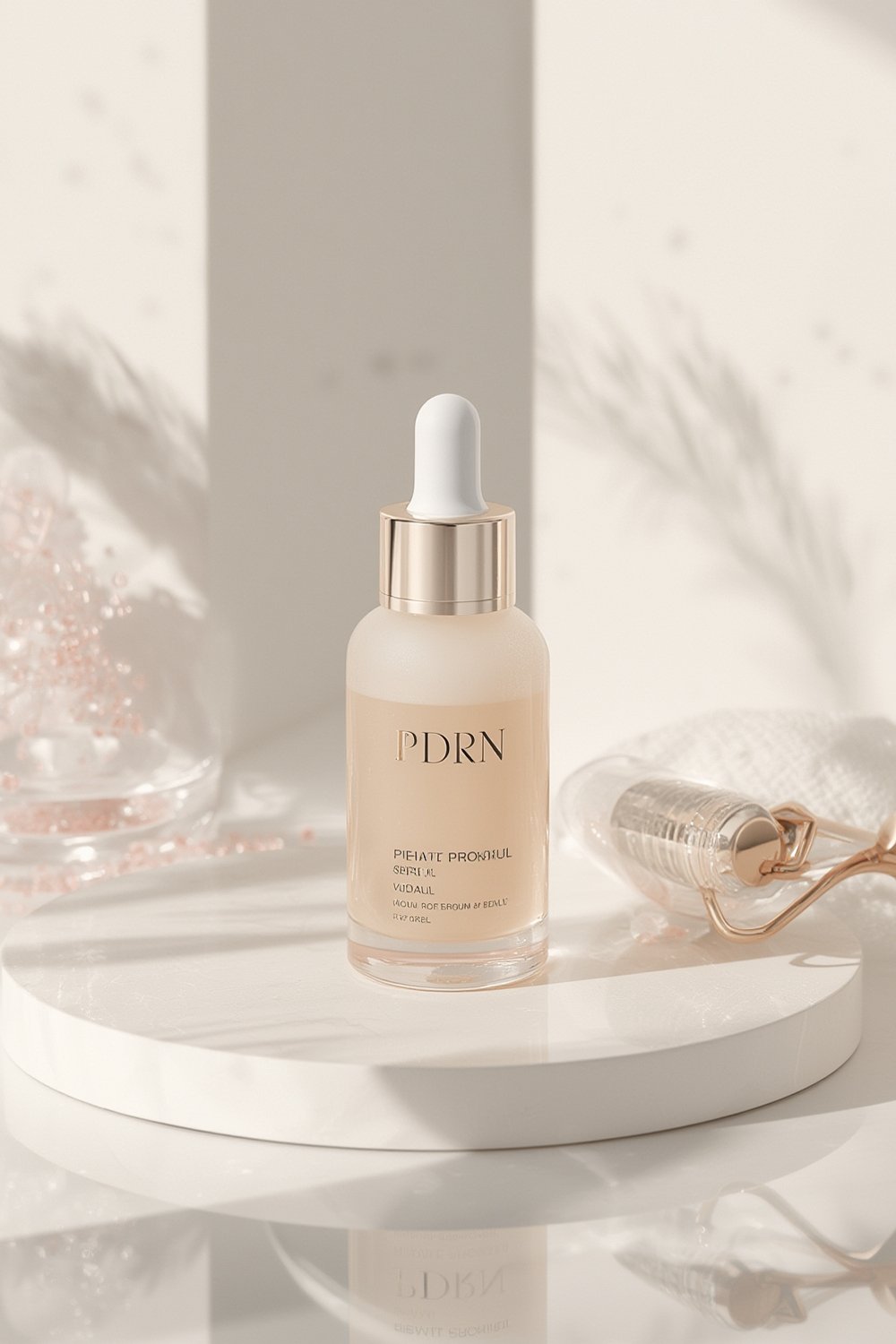
PDRN’s popularity in skincare isn’t just hype—it’s supported by studies published in journals like Wound Repair and Regeneration and Journal of Cosmetic Dermatology, showing accelerated recovery from skin microdamage, faster wound healing, and more resilient skin texture when compared to untreated controls. Notably, plant-based PhytoPDRN has shown dose-dependent efficacy, providing a promising vegan alternative (source).
Unlike traditional anti-aging ingredients (like retinol or peptides), PDRN serums support both deep repair and a healthier skin barrier. They are often sought after for post-laser recovery, boost collagen production, and are praised for leaving skin noticeably plumper and smoother, even with at-home topical use.
For more on building a repair-focused skincare routine, see this practical guide to the best ways to instantly heal damaged skin.
How to Use PDRN Serum for Maximum Results (Step-by-Step)
- Choose the right product: Look for PDRN listed in the top ingredients and check if it’s salmon-based or plant-sourced (PhytoPDRN) for vegan needs. Concentrations from 0.5% to 50% have shown dose-dependent effects in studies (source). Avoid vague “DNA repair” claims without clear PDRN listing.
- Test for allergies: If allergic to fish, stick to plant-based PhytoPDRN or perform a patch test before using. Even if you opt for topical formulas, it’s best to be cautious.
- Apply to clean skin: Gently cleanse and, if using actives (like in your night skincare routine), apply PDRN serum as a hydration and repair step after exfoliants and before a good moisturizer or barrier repair cream.
- Layer with barrier-supporting products: After PDRN, seal in with a good moisturizer or barrier repair cream. If you use treatments like at-home microneedling (see how), PDRN serum can accelerate recovery.
- Frequency: Use nightly or as directed. For stubborn fine lines, some combine with PDRN masks or ampoules as a weekly boost (detailed mask guide).
- Be consistent: Results typically appear gradually over 3–4 weeks with cumulative improvement in texture and plumpness.
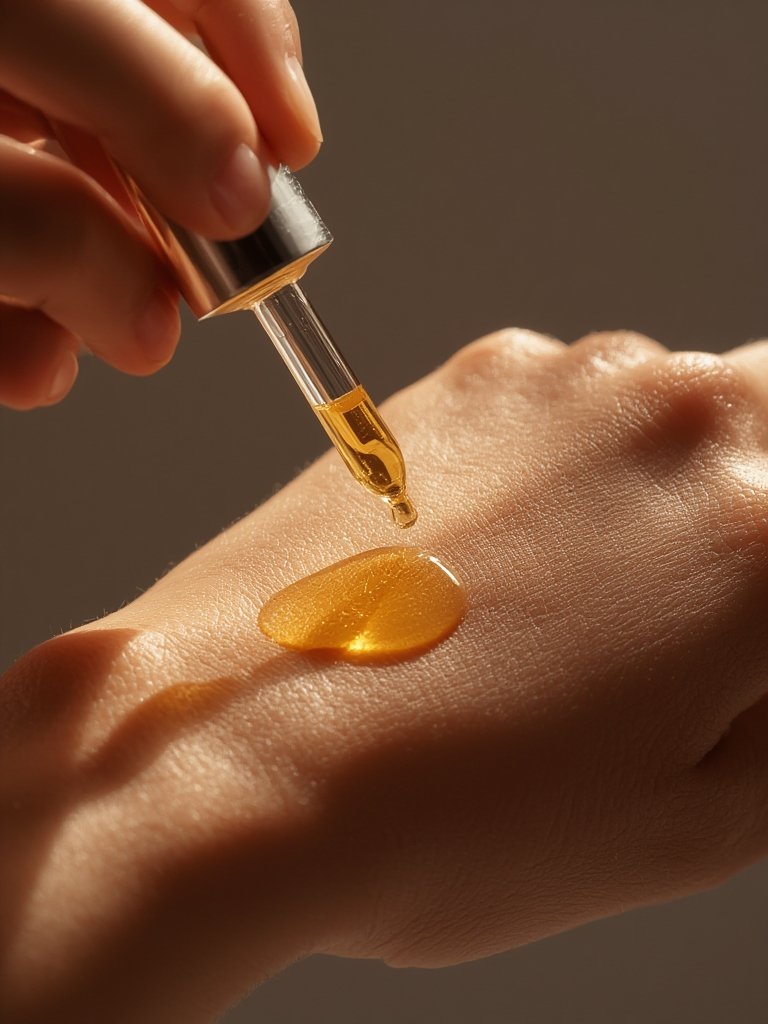
Want to compare with other collagen-boosting solutions? Check out this breakdown of peptide serums for skin firmness. Or, explore effective retinol-free options if your skin is too sensitive for typical anti-aging actives.
Real-World Results, Pitfalls & Side Effects of PDRN Serum
While many users report smoother, firmer, and brighter skin after several weeks of consistent use, there are several realistic pitfalls to consider:
- Ingredient Concentration Varies: Many over-the-counter PDRN serums do not disclose concentration, making it difficult to predict potency. Look for 0.5% to 50% for evidence-based effects (source).
- Salmon Allergy Risk: Fish-based PDRN may trigger reactions in sensitive users. Always patch test or choose plant-based alternatives.
- Market Quality Gaps: Some products make “PDRN” claims without proven sources or clinical results. Prioritize brands that cite research or third-party verification.
- Incomplete Regulatory Approval: Injectable PDRN is not FDA-approved for cosmetic use in the US, so proceed with caution for in-clinic treatments (source).
- Cumulative, Not Overnight: Most see visible results only after several weeks—do not expect instant transformation.
- Cost Uncertainty: Pricing for PDRN serums fluctuates widely and is not always justified by ingredient quality.
| PDRN Serum | EGF Serum | Retinol Serum | Peptide Serum |
|---|---|---|---|
| Skin repair, hydration, barrier support (clinical studies show 22–28% elasticity/hydration gains) | Cell turnover, some wound healing, less barrier impact | Boosts collagen, can irritate or dry, not ideal for barrier repair | Collagen support, barrier safe, generally well tolerated |
| Concentration: 0.5–50% (studied); vegan PhytoPDRN available | Concentration: Often proprietary, less transparency | Concentration: 0.1–2% typical | Concentration: Varies; 1–5% usually |
| Mild, rare skin reactions; fish allergy risk for salmon-based types | Low irritation risk; rarely allergic | Can cause peeling, sensitivity, irritation | Extremely low risk of irritation |
Curious how to strengthen your overall skin barrier? See this guide to fast body skin barrier repair.
For the scalp, see actionable steps to repair and protect your scalp barrier.
Conclusion
PDRN serum is one of the most well-researched regenerative ingredients for anyone wanting firmer, smoother, better-hydrated skin—especially if you need barrier support and repair. While user results are realistic when used consistently, always check concentration, source (salmon or vegan), and avoid unsubstantiated marketing claims. If your skin responds, PDRN serums may be a key addition to your evidence-based routine. Always patch test and consult with a professional if you have allergy concerns or are considering in-clinic injectables. Ready to try? Choose a high-quality PDRN serum and follow the guide above for best results.
FAQ
Is PDRN serum safe for sensitive skin?
Most topical PDRN serums are well tolerated. However, if you’re allergic to fish, always check if the serum is salmon-based or opt for plant-derived PhytoPDRN. Patch test before use, as rare reactions can still occur.
How long does it take to see results from PDRN serum?
Visible improvements in hydration, plumpness, and texture typically develop after 3 to 4 weeks of consistent use. Significant changes (in elasticity and fine lines) are most noticeable with regular, ongoing application.
Can PDRN serum be layered with other actives like retinol or peptides?
Yes. PDRN works well as part of a skin cycling or night routine, layered after exfoliants or retinol, and before a moisturizer. Pairing with peptides can further improve elasticity and firmness.
Is there a vegan alternative to salmon-derived PDRN?
Yes. Plant-derived Panax PDRN (PhytoPDRN) shows similar wound healing and skin barrier benefits in laboratory models. Always review the product label for the ingredient source.
Are there any downsides to PDRN ampoules or injections?
PDRN injections can cause mild, temporary redness, swelling, or bruising. There is also the allergy risk from salmon DNA. In the US, injectable PDRN is not FDA approved for cosmetic use.