

PDRN mask is gaining traction in skincare thanks to its regenerative properties, but does the science actually match the hype—or is it mostly marketing? This guide breaks down what’s real, what’s not, and how you can use a PDRN mask for visible results without falling for empty promises.
Key Takeaways
- PDRN masks support skin recovery, hydration, and collagen, but absorption and results can vary.
- Research supports PDRN’s effects most in medical settings; topical mask efficacy is promising yet realistic in its limitations.
- Formulation, sheet technology, and sourcing (salmon DNA vs. plant PDRN) impact performance and sustainability.
- What Is a PDRN Mask and How Does It Work?
- How to Use a PDRN Mask: Complete Step-by-Step Guide
- Advanced Analysis: What Works, Pitfalls, and Realistic Results
- Conclusion
- FAQ
What Is a PDRN Mask and How Does It Work?
PDRN (Polydeoxyribonucleotide) masks are sheet masks infused with DNA fragments—most often sourced from salmon sperm or, more recently, from plant roots. In medical settings, PDRN is lauded for boosting wound healing, recovery, and collagen through active skin cell signaling. When you apply a PDRN mask, the idea is that these DNA fragments sink into the upper layers, trigger skin repair genes, hydrate the barrier, and stimulate fibroblast activity for firmer, smoother skin.

Recent studies show notable repair and hydration benefits in skin cell culture and microneedling with PDRN [source], especially with collagen masks that blend supporting ingredients like niacinamide and peptides for a more holistic skin recovery effect. Korean masks, such as the CALLA Pink PDRN Collagen Mask, prioritize multi-layered sheet designs for optimal fit and concentrated absorption, taking the experience beyond simple moisture masking.
It’s worth noting, however, that much of the proven effectiveness comes from injectable or deep-penetration treatments—sheet masks deliver gentler, surface-level benefits unless paired with methods like microneedling or used in conjunction with strong hydrating routines.
For a transformative routine, combining a PDRN mask with skin cycling steps may encourage greater glow, repair, and lasting hydration.
How to Use a PDRN Mask: Complete Step-by-Step Guide
Want real results with a PDRN mask? Here’s how to work it into your skincare routine, avoid wasted product, and maximize visible benefits:
- Cleanse: Remove all makeup, oil, and sunscreen with a gentle, non-drying cleanser to give the mask a clean base.
- Exfoliate (optional): For best results, use a mild chemical or enzyme exfoliant. Avoid strong exfoliants, scrubs, or peels immediately before a PDRN mask to prevent over-irritation.
- Tone: Apply a hydrating, low-alcohol toner to prep skin and rebalance after cleansing. This step also assists penetration of mask actives.
- Apply the PDRN Mask: Unfold the mask and smooth it onto your face, aligning with eye, nose, and mouth holes. Choose masks with multi-dimensional sheet technology for closer adherence and less serum slipping.
- Wait 15-20 Minutes: Let the mask sit. Don’t exceed 30 minutes, as the sheet can start drying out and actually draw moisture away from your skin.
- Remove and Pat: Gently peel off the mask and lightly tap remaining essence into your face, neck, and even hands. Don’t rinse.
- Seal In: Finish with a simple, barrier-supporting moisturizer—or, for an extra boost, layer on a peptide serum or hyaluronic acid for better lock-in. For pro hydration, explore layering like in the glass skin routine.
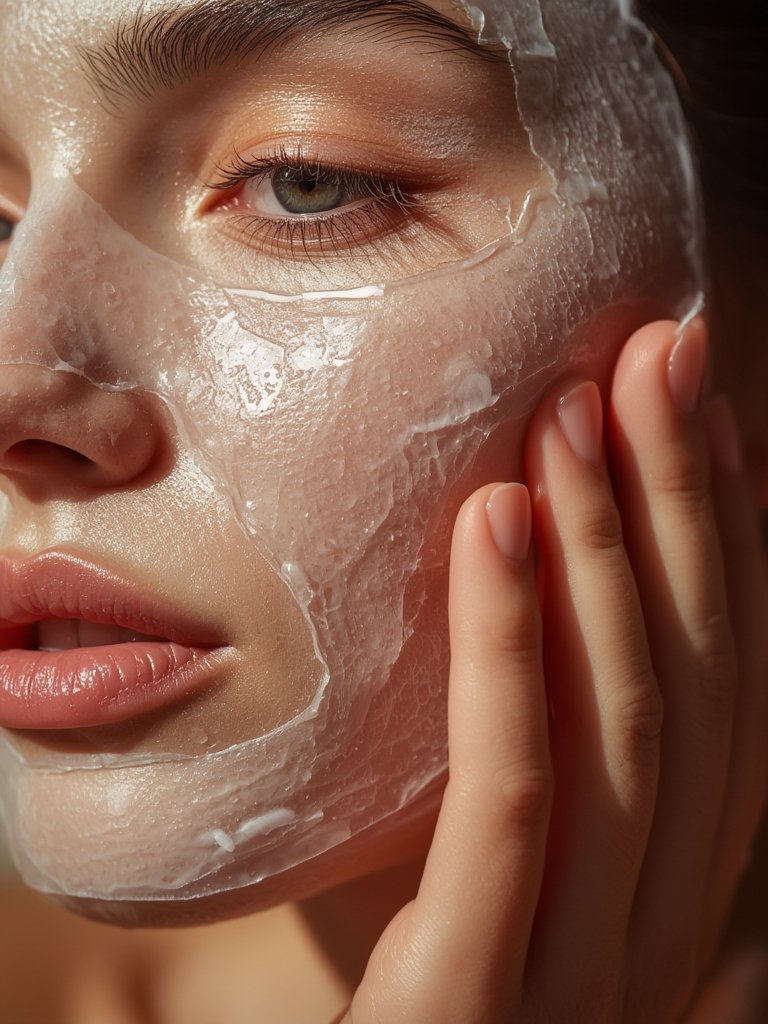
- Use PDRN masks up to 2-3 times per week (or as tolerated), especially after irritant exposure, retinol, or at-home chemical peels for barrier repair.
- Pairing with barrier repair moisturizers boosts results, especially for sensitive or post-procedure skin.
PDRN masks are especially useful in bridge routines—such as after at-home microneedling or dermarolling, and as a recovery boost when rotating active ingredients. Consult your dermatologist if you have a history of allergies to fish/salmon or advanced sensitivities.
If targeting barrier repair and resilience, try coupling PDRN mask nights with a gentle scalp barrier or body barrier routine to sync skin health head to toe.
Advanced Analysis: What Works, Pitfalls, and Realistic Results
PDRN mask benefits are not all equal. Let’s break down the factors that help or hinder visible improvement and how these masks compare to other leading options in the regenerative skincare field.
- Proven Effects (with limitations): Research supports PDRN’s ability to boost hydration (up to 45% after a month of topical use), support wound healing, and stimulate fibroblast-driven collagen production [source].
- Main Downsides: The large molecular size of PDRN may limit skin penetration with standard sheet masks compared to professional in-clinic treatments. That means benefits are typically limited to barrier strengthening, hydration—less dramatic than in-office therapies.
- Allergy/Source Risk: Salmon-sourced masks bring a (rare) risk of allergy. Look for plant-based PDRN (PhytoPDRN) if you have a known fish sensitivity [study].
- Mask Fit and Absorption: Sheet quality (like 5D wrapping) increases how well actives contact the skin.
- Formulation Enhancers: Masks that combine PDRN with niacinamide, ascorbic acid, peptides, vitamin E, and collagen (such as the CALLA Pink PDRN mask) tend to show better hydration and resilience results [source].
- Post-Treatment Synergy: Using a PDRN mask after procedures (microneedling, peels) can improve recovery, but only if your skin tolerates it and the mask is gentle.
| Feature | CALLA Pink PDRN Collagen Mask |
Standard Collagen Mask | Plant-Based PDRN Mask |
|---|---|---|---|
| Key Actives | PDRN, Collagen, Niacinamide, Peptides, Vitamin E | Hydrolyzed Collagen, Hyaluronic Acid | PhytoPDRN, Peptides, Hyaluronic Acid |
| Source Origin | Salmon DNA | Animal/Marine Collagen | Plant DNA (e.g., Panax) |
| Best For | Hydration, Repair, Barrier Recovery | Hydration, Glow | Barrier, Sustainability |
| Downside | Possible fish allergy; cost | Superficial effects only | Less research; cost |
| Technology | 5D Sheet, Enhanced Fit | Standard Sheet | Standard Sheet |
One common pitfall is overestimating what a single PDRN mask can do. You are unlikely to see immediate, dramatic improvements after one treatment. Make it part of a regular routine and focus on barrier repair and hydration, then layer it with evidence-based actives.
Another common problem is using it too soon after aggressive treatments (like a strong acid peel)—which can risk sensitization, especially if the mask contains additional fragrance or irritants. Always patch-test new masks and consult your dermatologist if you have a history of allergies.
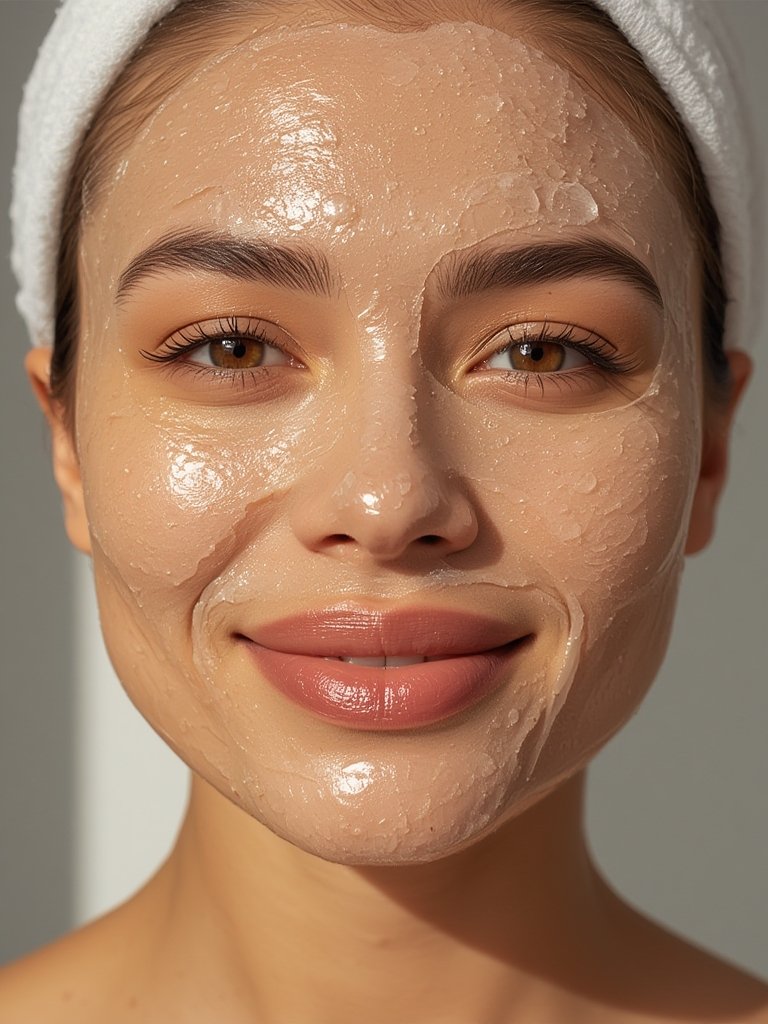
For comparison, read up on how skin longevity supplements or a red light therapy mask work in a long-term barrier strengthening and rejuvenation routine.
Conclusion
PDRN masks are a step forward in skin barrier repair, hydration, and gentle collagen support, especially when formulated with synergistic ingredients and advanced sheet designs. The research suggests you can expect better surface recovery and glow, but don’t rely solely on one PDRN mask for deep anti-aging or clinical-grade rejuvenation. Be aware of the source (salmon versus plant), your own sensitivities, and the importance of consistent use. If you want additional repair, try combining a PDRN mask with an intelligent routine of actives, barrier focused moisturizers, and, if you’re adventurous, at-home microneedling for stronger results. Ready to boost skin recovery? Pick a science-backed PDRN mask and give your barrier the support it needs—your results will build over time with smart, regular use.
Want to upgrade your routine? Explore more on at-home microneedling and gentle retinol alternatives to truly future-proof your skin.
FAQ
What is PDRN and how does it benefit the skin?
PDRN stands for Polydeoxyribonucleotide, a DNA fragment that helps promote skin repair, cellular turnover, barrier strengthening, and increased hydration. It supports