

IPL for dark skin is now possible thanks to new wavelength and safety technologies, but there are still real risks and limitations to consider if you have melanin-rich skin. Here’s how the latest IPL devices work, what features to prioritize, and how to get safe, effective results at home or in a clinic.
Key Takeaways
- Modern IPL devices for dark skin rely on smarter wavelength control, skin-tone sensors, and advanced cooling—reducing burn and hyperpigmentation risks.
- Not all technologies or at-home devices are genuinely safe for Fitzpatrick V–VI skin, so correct technology and professional guidance are critical for the best outcomes.
- ELOS and Nd:YAG lasers are most effective for many dark skin users; always assess device features and check compatibility before starting treatment.
- IPL for Dark Skin: What You Need to Know
- How to Use IPL Safely on Dark Skin: Step-by-Step
- Advanced Analysis & Common Pitfalls
- Conclusion
- Frequently Asked Questions
IPL for Dark Skin: What You Need to Know
IPL (Intense Pulsed Light) hair removal was originally designed for light skin and dark hair. But today’s technology addresses the unique needs of dark, melanin-rich skin by using safer, longer wavelengths, hybrid light-and-radiofrequency (ELOS), and real-time skin-tone sensors that adjust output—dramatically reducing the risk of burns or post-inflammatory pigmentation. For many, this opens doors to lasting hair reduction that simply wasn’t possible a few years ago.
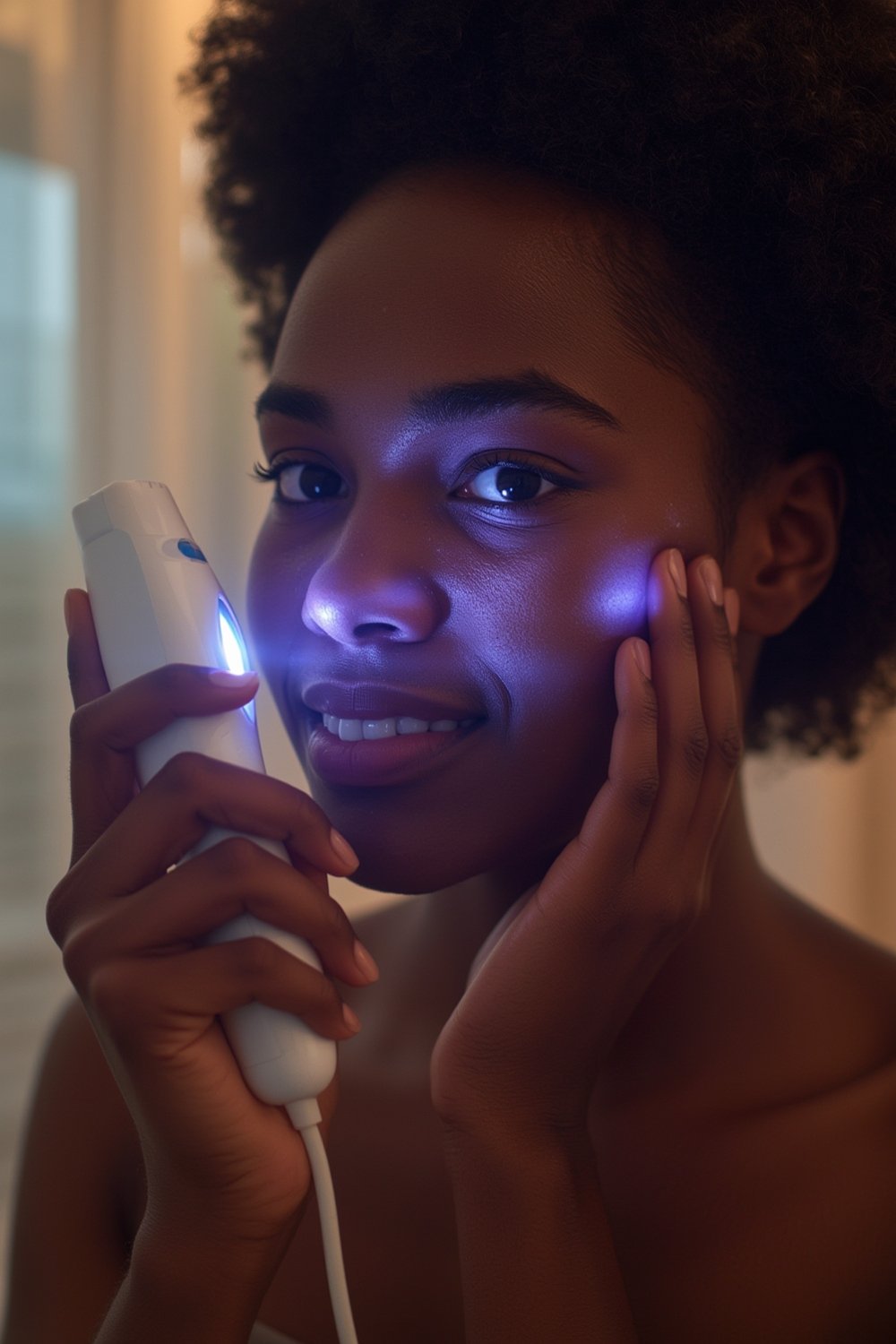
These new features matter: melanin absorbs more light energy, so wrong settings or old devices can quickly cause blisters, discoloration, or even scarring. Modern IPL, when built with safety in mind, can be a convenient option for some users—but only if you know how to use it and what to avoid. To see how IPL compares with other options for home hair removal, check out our guide on laser hair removal at home.
Some at-home devices, such as those using ELOS technology, combine IPL with “color-blind” radiofrequency energy—this lets them work more safely across all skin tones, including those with deep or rich pigmentation. However, even among “safe for all skin” claims, efficacy and comfort will vary. If you want a deeper comparison of home-use devices, see our step-by-step explanation in this at-home IPL hair removal guide.
How to Use IPL Safely on Dark Skin: Step-by-Step
- Check your Fitzpatrick skin type. If you are Fitzpatrick IV–VI (medium brown to deep brown/black), only use devices with proven safety for your skin type—or opt for professional Nd:YAG laser, which is safest for darkest skin. Review our full safety checklist for IPL hair removal safety.
- Choose a new-generation device with skin-tone sensors. Devices like Braun Silk Expert Pro 5 adjust settings up to 80 times per second. If your skin isn’t compatible, these sensors prevent the pulse from firing—a critical feature to prevent injury.
- Start on a test patch in a less visible area, especially if using IPL at home for the first time. Wait 48 hours and observe any reactions—blisters, redness, or prolonged darkening mean the device is not safe for your skin.
- Always use the lowest effective setting. For dark skin, higher intensities dramatically increase the risk of complications. Use built-in cooling features or apply a cool pack after treatment to protect the epidermis.
- Space treatments out more than manuals may suggest. Melanin-rich skin takes longer to heal after light exposure—never exceed manufacturer guidelines.
- If you detect any burning, pain, or color change, stop immediately and consult a professional. Some side effects can be long-lasting or permanent.
- Protect treated skin from sunlight for at least 48–72 hours after a session, ideally using clothing or broad-spectrum sunscreen to minimize the risk of pigmentation issues.
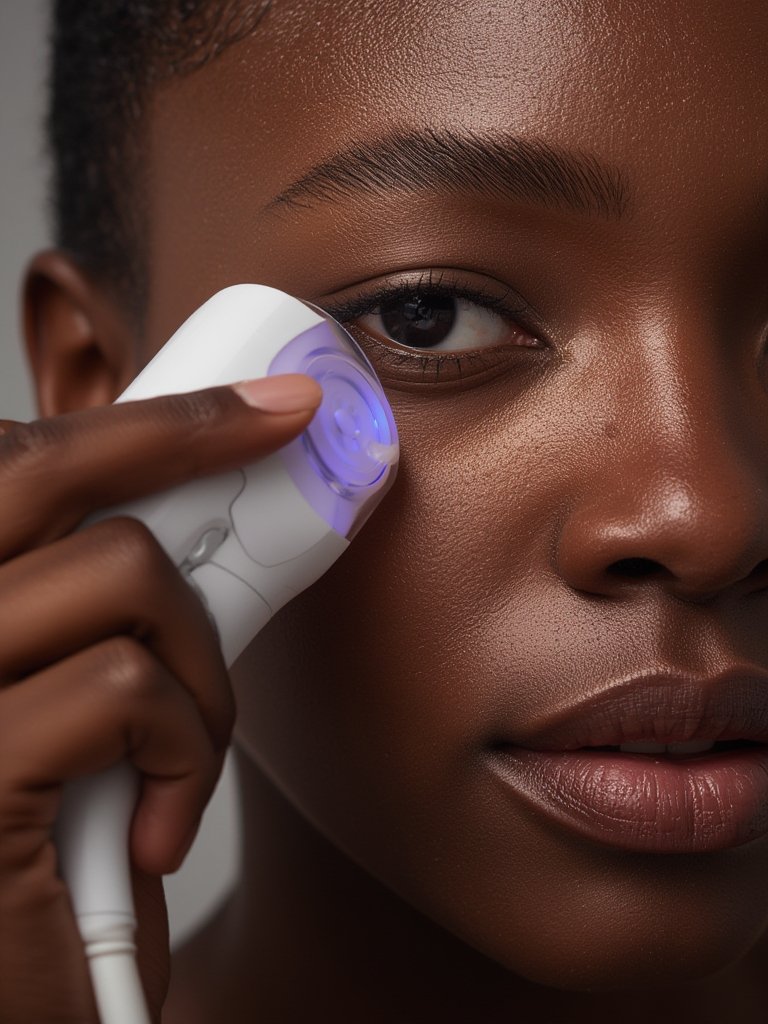
To minimize complications, always follow the device’s manual and aftercare closely. Pairing your IPL routine with a night skincare routine that supports barrier repair can help sensitive skin bounce back faster and reduce risk of hyperpigmentation.
Many users ask whether pre-treatment exfoliation can help with IPL efficacy. Gentle exfoliation a few days prior (not right before!) may help target hair follicles more directly—but aggressive exfoliating, peeling, or retinoids should be avoided near any treatment window. Learn more in our at-home chemical peel guide.
Advanced Analysis & Common Pitfalls
It’s important to set realistic expectations: IPL still isn’t perfectly suited for all dark skin tones or all hair types. Most IPL devices remain less effective (and riskier) on Fitzpatrick V–VI skin, primarily due to the way light energy interacts with melanin.
| Skin Tone | Recommended Device | Risks / Challenges | Best Practice |
|---|---|---|---|
| Fitzpatrick I–III (fair to medium) |
Standard IPL | Minimal—high efficacy, low risk | Standard protocol, patch test |
| Fitzpatrick IV (medium brown) |
Modified IPL (wavelength + skin-tone sensor) |
Burn risk, pigmentation possible | Low intensity, use sensor, patch test |
| Fitzpatrick V (brown) |
ELOS or Nd:YAG / Diode laser | High risk of burns or PIH (post-inflammatory hyperpigmentation) |
Clinic use, advanced cooling, prefer Nd:YAG |
| Fitzpatrick VI (deep brown, black) |
Nd:YAG laser only | IPL usually not recommended | Choose professional Nd:YAG only |
The most frequent and serious issues reported—especially with old or generic at-home units—are burns, blistering, and pigmentation irregularities. Unlike lighter skin, where such mistakes may resolve, melanin-rich skin is far more likely to develop stubborn dark spots or even scars. These risks are documented in clinical safety analyses and real-world reviews.
Don’t be swayed by brands that skip over these warnings. Many manufacturers are still developing more inclusive technology, but often their marketing outpaces proven safety. If you see “for all skin types” claims, check for FDA clearance and the specific mention of “Fitzpatrick V–VI” compatibility.
Users with darker skin sometimes experience limited results, as many home IPL units limit power output to avoid burns—meaning less hair reduction after each session. For most reliable and lasting outcomes, professional options like Nd:YAG or advanced ELOS are usually better for Fitzpatrick V–VI. You can read more about safe, permanent solutions for every skin type in our guide on building a barrier repair routine after IPL.

If you experience skin irritation, swelling, or hyperpigmentation after IPL, stop immediately and use barrier-repair products. Learn how in our skin longevity supplement guide and by reviewing our tips on body skin barrier repair.
For deeper research on the industry’s challenges and ongoing innovation in IPL safety for dark skin, see expert discussions at Amerejuve’s IPL safety guide and broader trend data at Intel Market Research.
Conclusion
Choosing IPL for dark skin means weighing safety, results, and value. Advances like adjustable wavelength filters, ELOS technology, and skin-tone sensors have made it more possible—but not risk-free. Always confirm device safety for your skin, patch test, and consider clinic treatments with Nd:YAG or ELOS lasers, especially for Fitzpatrick V–VI. Start with basics, monitor your skin, and remember: IPL for dark skin is possible, but safe use requires the right tools and knowledge.
Thinking about a new device or professional session? Review our complete IPL dark skin guide or book a consult—your future self (and skin) will thank you.
Frequently Asked Questions
Is IPL safe for all shades of dark skin?
No. Standard IPL is only safe for fair to medium skin. For Fitzpatrick V–VI (deep brown/black), only ELOS or Nd:YAG lasers are recommended; most IPL devices—even new models—still pose risks for very dark skin.
Do at-home IPL devices really work on dark skin?
Some newer devices claim compatibility, using tech like ELOS and skin-tone sensors. However, effectiveness and safety can vary. For optimal results, consider professional treatments or new-generation FDA-cleared devices specifically tested on dark skin types.
What IPL features should I look for if I have dark skin?
Essential features include built-in skin-tone sensors, adjustable wavelength filters, advanced cooling, and ideally ELOS technology. Check for specific mention of Fitzpatrick V–VI compatibility in the device specs.
What should I do if I get burns or dark spots after IPL?
Stop using the device immediately. Soothe with barrier-repair creams and avoid sun exposure. See a dermatologist if blistering, pigment changes, or discomfort persist.
Are professional treatments really better than at-home for dark skin?
Generally yes. Clinics use advanced devices and protocols tailored for dark skin, like Nd:YAG and ELOS. At-home devices have more limitations and higher risk if not used correctly or if they lack needed features.