

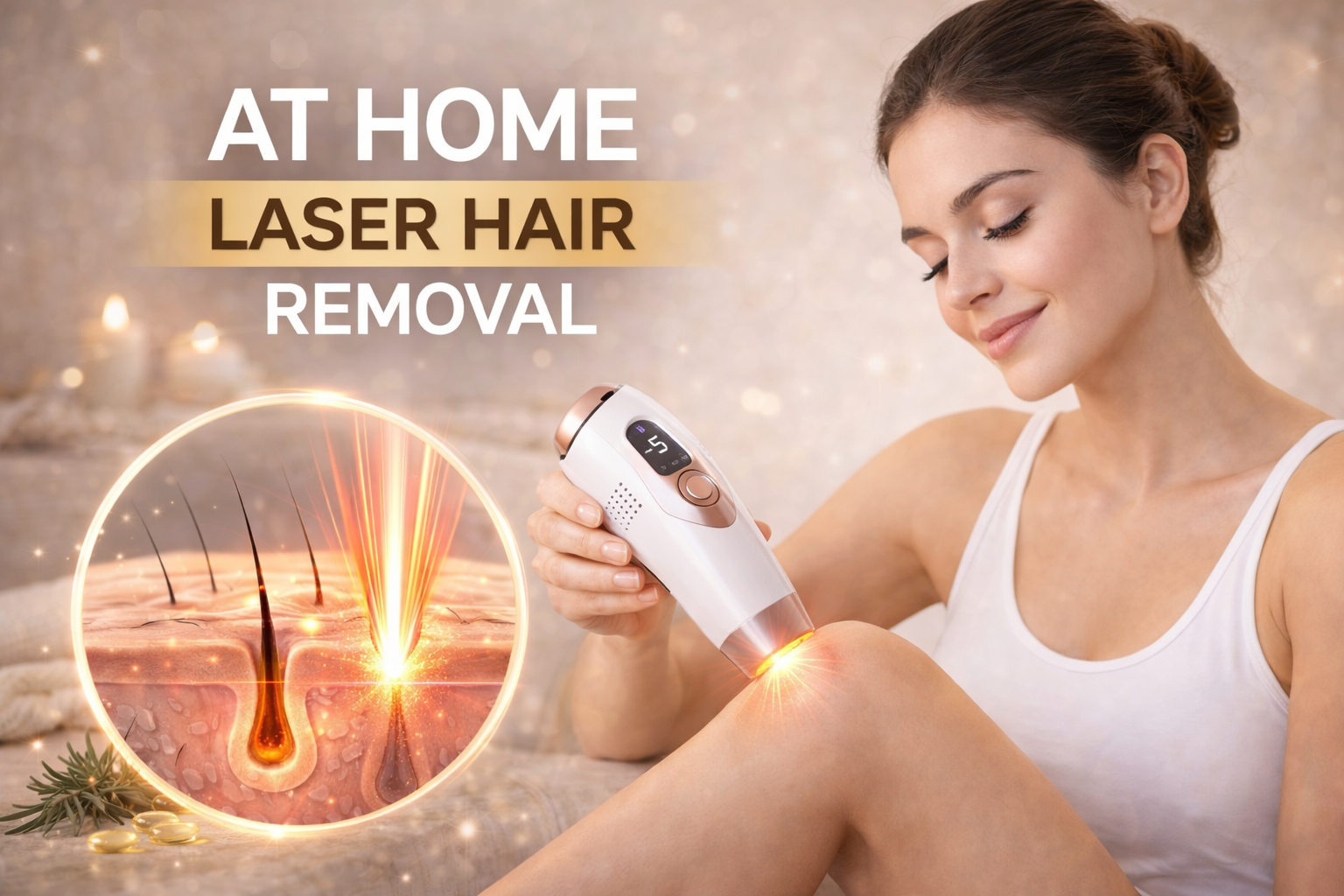
Focus Keyword: at home laser hair removal
Introduction
At home laser hair removal gives you the power to reduce unwanted hair without the hassle of salon appointments or recurring waxing bills. For anyone seeking longer-lasting results than shaving or creams, these devices offer convenience and, for many, proven outcomes. But are they right for you? This practical guide breaks down what works, what often goes wrong, and how to get the smoothest results at home—without any hype.
Key Takeaways
- At home laser and IPL hair removal delivers real results, but effectiveness depends on your hair and skin type, proper use, and staying consistent.
- Common pitfalls include less effectiveness for dark skin or light/grey hair, the need for many sessions, and risks like skin irritation or burns.
- Costly at first, a high-quality device can save money compared to salon treatments, but budget models may perform poorly or require frequent replacement.
- Introduction
- The Core Concept: How At Home Laser Hair Removal Works and Why It’s Popular
- Step-by-Step Guide: How to Use At Home Laser Hair Removal for Best Results
- Advanced Analysis & Common Pitfalls
- Conclusion
- FAQ
The Core Concept: How At Home Laser Hair Removal Works and Why It’s Popular
At home laser hair removal devices use light-based technology to weaken hair follicles and reduce regrowth over time. The most common type, IPL (intense pulsed light), emits broad-spectrum light absorbed by the pigment in your hair, damaging the follicle when used consistently across several sessions. Unlike quick-fix methods like shaving or depilatory creams, laser and IPL provide visible hair reduction—sometimes even after a single session. Their appeal? Lower costs long-term, privacy, and the chance to treat areas whenever you want.
Most at home devices are less powerful than those found in salons or dermatologists’ offices. This design increases safety for personal use but means you must commit to more sessions for best results. Still, when used right, these tools help many reduce body and facial hair. They’re especially popular with anyone managing fast regrowth or irritation from shaving or waxing.
For a deeper technical background on how IPL targets hair and what makes it different from “true” laser technology, see resources like this clinical summary.
Step-by-Step Guide: How to Use At Home Laser Hair Removal for Best Results
Ready to try at home laser hair removal? Here’s a step-by-step method, with realistic pointers to maximize your results and keep your skin safe.
- Pick the right device. Not all IPL/laser home devices are created equal. Look for models with FDA clearance, multiple intensity settings, and attachments for face and body. High upfront cost often means better, longer-lasting performance. Learn more about quality device selection from the Hairtell user forums.
- Shave, don’t wax, before you treat. Shave the area 12-24 hours before. Hair should be short so light energy goes straight to the follicle, but not so fresh you risk razor burn.
- Test your skin type compatibility. Most at home devices only work safely on light to medium skin tones with dark hair. IPL is not recommended for very dark or deeply tanned skin, or for red/grey/blonde hair, due to low pigment absorbance and risk of burns. See this essential IPL safety guide for color charts and warnings.
- Start with the lowest intensity setting. Use low energy initially, especially if you have sensitive skin or are unsure how you’ll react.
- Wear protective glasses if recommended. Never look at the light flash directly. Protect your eyes especially if treating facial hair.
- Work methodically. Use a grid pattern to cover your area fully—missing spots leads to patchy results, overlapping the beam can cause skin irritation. Devices with automatic skin contact sensors reduce errors.
- Repeat consistently. Follow the manufacturer’s schedule (usually every 2 weeks for 6–8 sessions), then maintain monthly as needed. Patience is key—full results build up over months, not weeks.
- Moisturize after treatment. Use a fragrance-free, calming moisturizer to soothe skin and reduce any mild redness or discomfort.
- Protect from sun exposure. Treat only untanned skin. Avoid sun before and after for 48 hours; wear SPF daily on treated areas.
- Monitor for side effects. Common ones include mild redness or short-lasting pain. If you spot blisters, persistent irritation, or pigment changes, stop and consult a dermatologist. These issues often happen when using devices on unsuitable skin, or at too-high intensity.
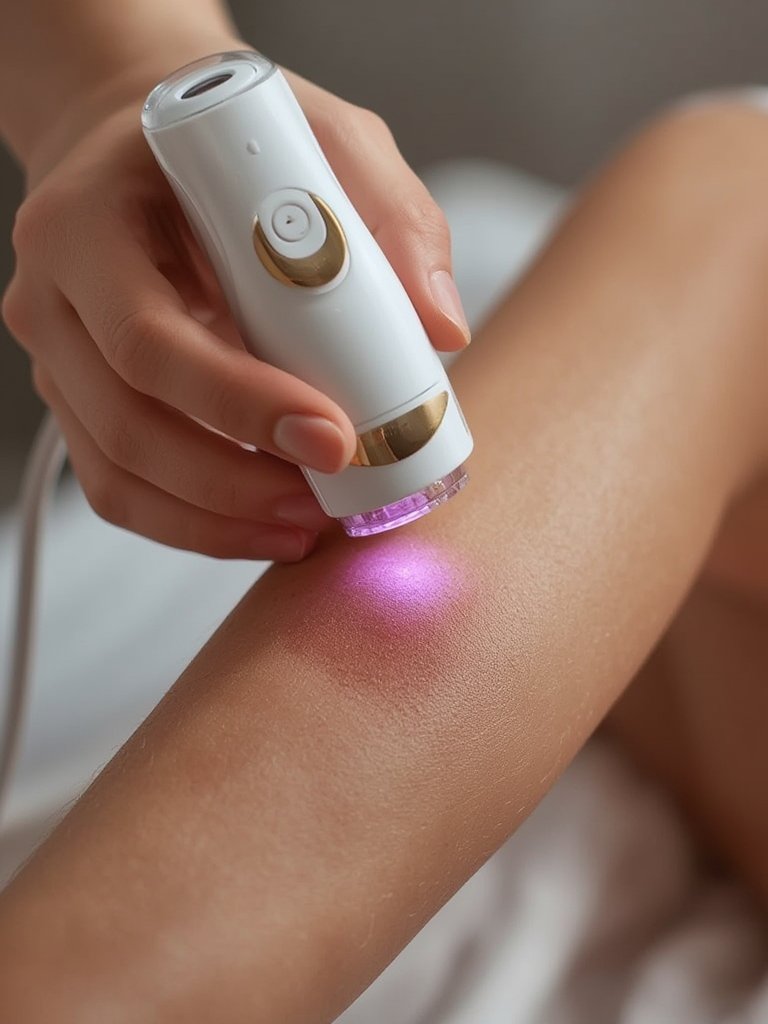
For sensitive areas—like bikini, upper lip, or underarms—move slowly, and don’t hesitate to use the device’s gentlest setting. If you’re concerned about irritation, strengthen your skin barrier before and after treatments with rich moisturizers and barrier creams.
Want to compare this method to other home routines? Read our guide on home waxing kits vs. laser devices for an in-depth breakdown.
Advanced Analysis & Common Pitfalls
At home laser hair removal is not without problems. Even with strict adherence to instructions, some users find that hair regrows or that devices are less effective on certain hair and skin types.
- Not truly permanent. Most users experience hair thinning and slowed regrowth, not total, lifelong removal. You’ll likely need maintenance sessions (every month or two) even after the initial plan. Hair can regrow, especially after hormonal changes.
- Results vary by skin and hair color. If your skin is dark or your hair is light grey, blonde, or red, most IPLs simply won’t work—there’s not enough contrast for the light to target the follicle safely.
- Burn and irritation risks. Using the wrong setting, treating tanned or dark skin, or overlapping pulses can lead to burns, hyperpigmentation, or pain. Users have reported mild burns and a burnt hair smell, especially if ignoring device restrictions. Read more about side effects and safety tips in this guide on IPL hair removal safety.
- Pain and usability issues. IPL shots can deliver mild to moderate discomfort (sometimes like a rubber band snap). Some areas—like pubic or underarms—are hard to reach and may require awkward angles.
- Lamp/bulb lifespan can disappoint. Bulbs may burn out far sooner than claimed, especially in cheaper devices—many users report reduced flashes over time.
Let’s compare real-world results, side effects, and costs:
| At Home IPL Device | Professional Laser Clinic | |
|---|---|---|
| Hair Reduction | Up to 47.8% after three treatments; up to 78.1% after three months[Ref] | 85–88% reduction after several sessions |
| Session Frequency | Every 2 weeks for 6–8 sessions; then monthly maintenance | Monthly for 4–8 sessions; then annual touch-up |
| Who It’s For | Best for fair-medium skin and dark hair | Works for most skin/hair types (with correct laser) |
| Common Side Effects | Redness, mild pain, occasional burns if misused | Transient redness, swelling, rare burns |
| Total Cost | $150–$600+ upfront, lasts years, minimal refill costs | $150–$400 per session; $1500–$3000+ for full course |
| Permanent? | No—maintenance required, hair can regrow | Longest-lasting, but touch-ups still needed |
It’s crucial to weigh convenience and savings against realistic limitations. If in doubt, always ask a dermatologist or skin therapist before trying a new device at home, especially if you have skin of color or have a grey/light hair type.
For details on protecting the scalp during treatments or boosting hair recovery, see our scalp skin barrier repair guide.
Conclusion
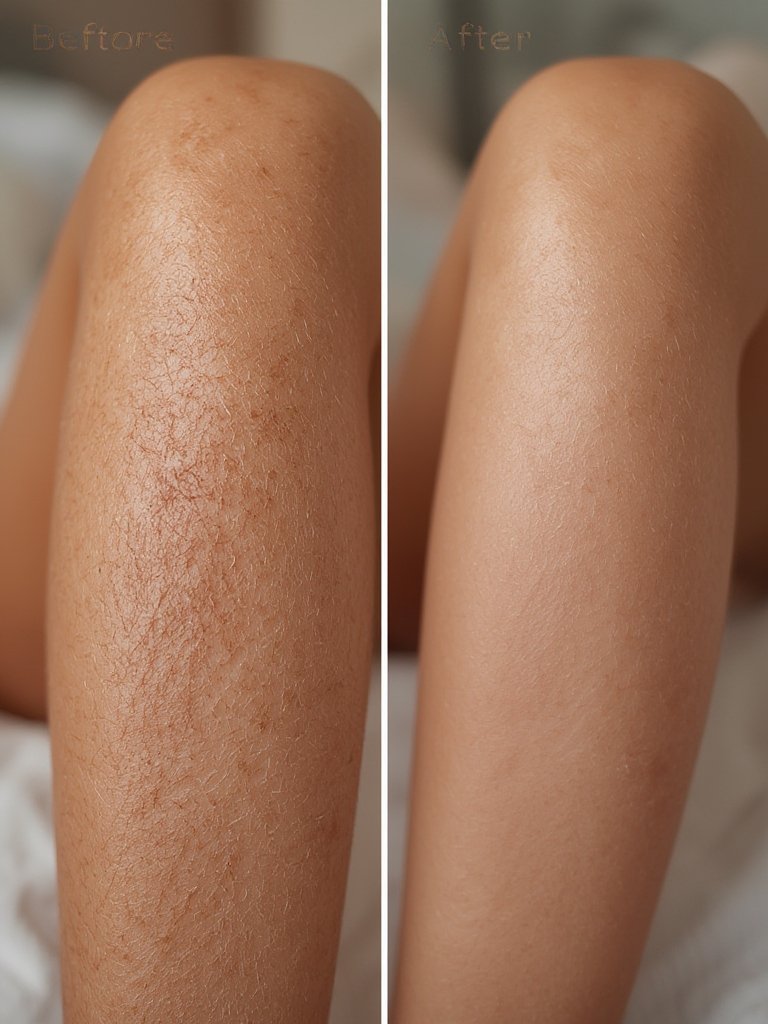
At home laser hair removal offers a way to control unwanted hair and achieve smoother skin on your terms. While many users see meaningful reduction when devices are used properly, limitations exist—especially for certain hair and skin tones, and ongoing maintenance is always part of the reality.
If you’re realistic about the process, invest in a high-quality device, and follow safety guidelines, you can expect solid long-term improvement—not perfection. Ready to take the next step? Learn about pairing your at home laser hair removal routine with other skin-smoothing strategies in our full advanced hair removal guide.
Take charge of your self-care and explore how science-backed home devices can help you save time, money, and effort—while putting you in control of your results.
FAQ
Is at home laser hair removal actually permanent?
No. Most people see a significant reduction in hair growth, but maintenance sessions are needed several times a year. Hair can regrow due to hormonal changes or missed sessions.
Which skin and hair types work best with at home devices?
IPL and home lasers are most effective for people with fair to light brown skin and dark, coarse hair. IPL is not recommended for very dark skin or blonde/red/grey hair. Always check your device’s color chart before use.
How many sessions do I need before seeing results?
You’ll usually see some reduction after 3–4 sessions spaced two weeks apart, but optimal results require 6–8 treatments plus maintenance every few months.
Is IPL hair removal safe for the face and bikini area?
Yes, when using a device with appropriate attachments and settings. Use the lowest energy on sensitive areas and always wear eye protection if treating the upper lip or jawline.
Are there ways to improve or speed up my at home results?
Consistency and proper prep are key. Shave before each session, moisturize after, use a white pencil to map treated areas, and never skip a treatment in the initial course. Read expert tips in our full home laser guide.