

Best sunscreens for every skin type are more than just a beauty shelf favorite—they are a must for anyone who wants healthy skin and effective sun protection. But choosing the right SPF is overwhelming, especially if you have oily, dry, sensitive, or acne-prone skin. In this guide, discover exactly how to match sunscreen to your skin’s needs and avoid the common mistakes that waste money and cause breakouts or irritation.
Key Takeaways
- Mineral sunscreens with zinc oxide or titanium dioxide are safest for sensitive and acne-prone skin, while chemical formulas can fit oily skin but may cause irritation in other types.
- Watch for white cast, heavy feel, and potential irritation—these are real complaints by skin type and require smart product selection.
- Layering sunscreen with moisturizers and makeup matters for performance; longevity of protection often depends on your skin’s oiliness and routine.
- What Makes a Sunscreen Right for Your Skin Type?
- How to Choose the Best Sunscreen for Every Skin Type: Step-by-Step
- Pitfalls, Problems, and Real Reviews by Skin Type
- Conclusion
- FAQ
What Makes a Sunscreen Right for Your Skin Type?
Not every sunscreen works for every skin type. The formula you choose needs to fit your oil production, sensitivity, and even how you layer your daily products. Dermatologists agree that mineral sunscreens—those with zinc oxide or titanium dioxide—offer reliable, low-irritation protection for sensitive and acne-prone skin types. These ingredients create a broad-spectrum UV barrier that sits on top of the skin rather than absorbing deeply, which limits allergic or breakout reactions. For oily or combination skin, lightweight chemical SPFs (avobenzone, octocrylene) may feel more comfortable but are more likely to trigger reactions in sensitive skin. Thick, balm-like mineral formulas can feel too heavy for oily types yet deliver lasting moisture for dry skin. Your choice should reflect your main concerns: irritation, shine, pore clogging, and even the ease of blending if you have a darker skin tone or wear makeup daily.
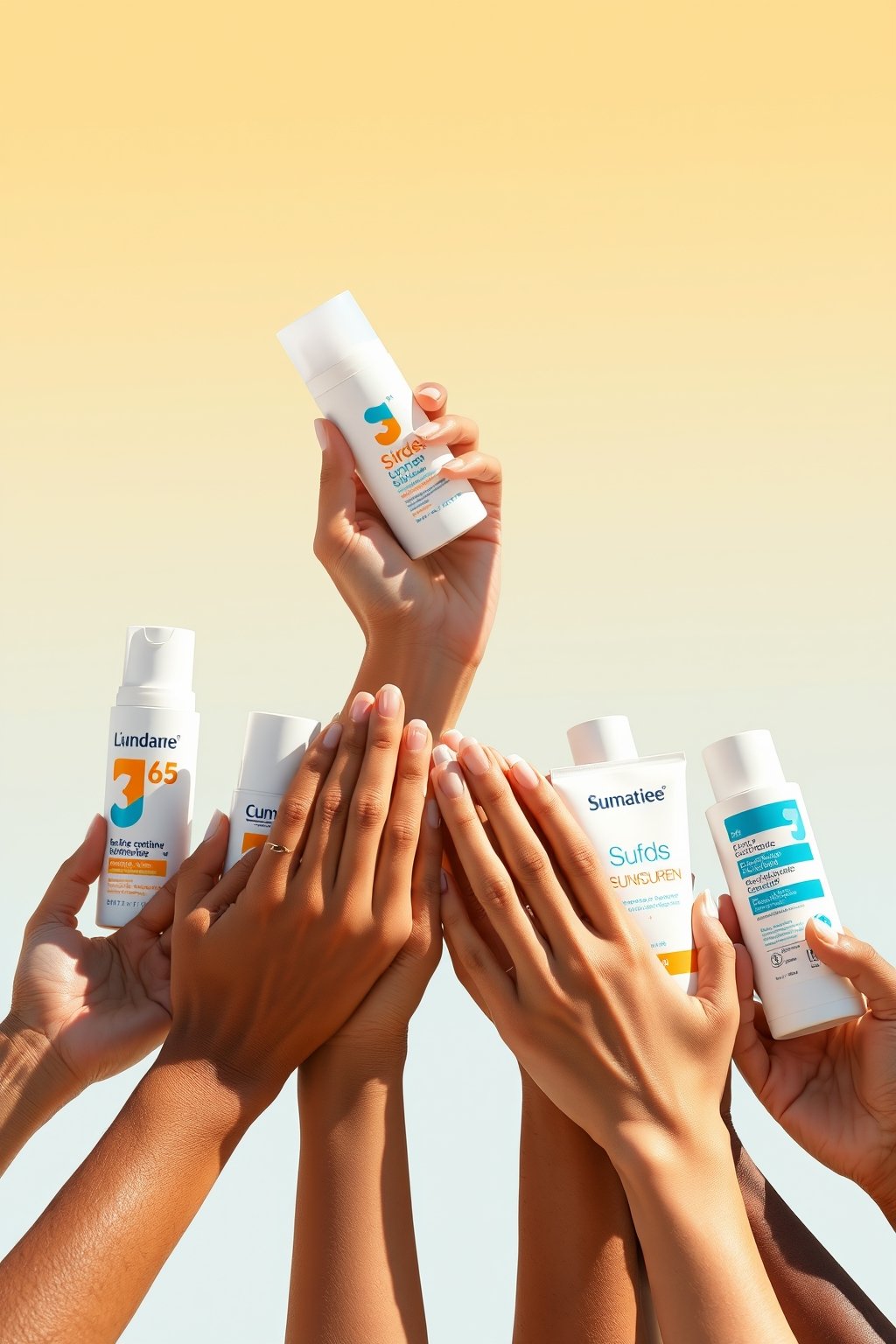
How to Choose the Best Sunscreen for Every Skin Type: Step-by-Step
Choosing the best sunscreen for every skin type—and actually getting results—takes a bit more than grabbing the first SPF you see. Here’s a practical, realistic routine you can adapt:
- Identify your skin type focus: Is it oily, dry, combination, sensitive, or acne-prone? This is key as even “universal” SPFs rarely suit all skin scenarios.
- Pick the right sunscreen base:
- Oily or acne-prone: Opt for a non-comedogenic mineral sunscreen or lightweight chemical gel. Look for words like “oil-free” and “matte finish.”
- Sensitive: Mineral (zinc oxide, titanium dioxide) is your safest bet.
- Dry: Choose mineral sunscreens with added moisturizers like glycerin or hyaluronic acid. Avoid alcohol denat.
- Combination: Tinted or light-textured mineral formulas often balance the needs of T-zone oil and drier cheeks.
- Screen the ingredient list: Those with sensitive skin should avoid oxybenzone, avobenzone, and octinoxate. Check for labels like “fragrance-free” or “for sensitive skin.”
- Test texture and finish on your skin—not just your hand: Sunscreens react differently on oily versus dry patches. A formula that pills under makeup or leaves a heavy residue is unlikely to get used daily.
- Layer with care: Apply sunscreen after moisturizer but before makeup. If your skin is oily, pick gel-like formulas or mattifying SPFs. If dry, use a richer moisturizer first. Give the SPF a few minutes to set before adding foundation or powder.
- Check for white cast if you have a medium to dark skin tone: Mineral formulas tend to leave residue—look for tinted versions that blend better.
- Reapply often: All skin types should reapply every 2 hours, or after swimming/sweating, regardless of whether your sunscreen is mineral or chemical. Oily skin may need more frequent touch-ups, especially in humidity.
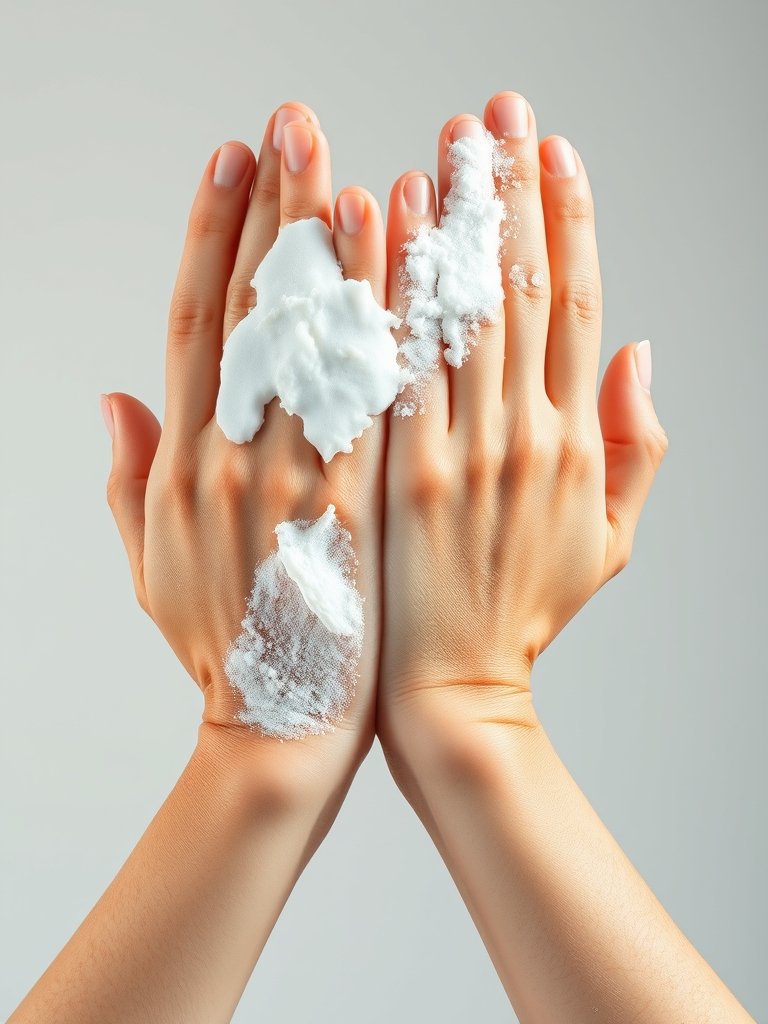
For dry and sensitive skin, layering is even more important. Pair your SPF with a strong barrier repair moisturizer—learn more in our Barrier Repair Moisturizer guide to strengthen your routine year-round. If you cycle between exfoliation and retinoids, apply sunscreen as the last morning step. For advanced routines like skin cycling, see our Skin Cycling Routine walkthrough.
For oily skin battling shine and makeup, a tinted sunscreen for oily skin can replace foundation while giving true SPF coverage. Body application matters too—see how to get full protection in our Body Sunscreen Lotion Guide.
Pitfalls, Problems, and Real Reviews by Skin Type
User complaints about sunscreens are often linked directly to skin type mismatches and poor layering habits. Here’s what you need to watch out for:
- Mineral Sunscreens: The classic gripes are heavy, sticky texture, slow absorption, and a chalky white cast—especially on medium and deep skin tones. They may resist blending and feel like a mask in humid weather.
- Chemical Sunscreens: Users with sensitive skin report stinging, redness, or breakouts, especially around the eyes or after sweating. Some chemical filters can trigger allergies or hormonal responses.
- For Oily or Acne-Prone Skin: Even non-comedogenic mineral sunscreens can feel greasy or clog pores if layered with heavy moisturizers. In contrast, poorly formulated chemical SPFs may worsen acne, especially if silicone-heavy or with comedogenic oils.
- Dry or Sensitive Skin: Alcohol-based formulas or those with unnecessary fragrances can worsen flaking and irritation. Mineral SPFs may help barrier repair but feel occlusive or aggravate pre-existing dry patches if not layered well.
| Skin Type | Best Sunscreen Choice | Common Pitfalls | Key Ingredient(s) to Avoid |
|---|---|---|---|
| Sensitive | Mineral (zinc oxide, titanium dioxide) | Stinging from chemical filters, white cast, thick feel | Oxybenzone, avobenzone, octinoxate |
| Oily / Acne-Prone | Oil-free mineral or light chemical gel | Greasy look if too rich, potential breakouts | Heavy oils, comedogenic silicones |
| Dry | Mineral with moisturizers | Flaking if not hydrating enough, tightness with alcohol-based SPFs | Alcohol, strong fragrance |
| Combination | Tinted mineral, balanced gel-cream | Uneven application, shine in T-zone, flaking on cheeks | Any skin-type-specific trigger |
Still wondering how to layer sunscreen in complicated routines? Many skip SPF if their base feels heavy or greasy—which defeats the point. Don’t forget: habit trumps perfection. If your skin barrier is already sensitive, learn more about layering correctly in our Peptide Serum or Glass Skin Routine guides to see real layering examples.
Cost and value: According to the research, there’s no proven link between price and sunscreen satisfaction—product performance depends far more on fit for skin type and routine than on prestige or cost per ounce. For proven mineral formulas for oily skin and more expert breakdowns, visit this mineral for oily skin guide or consult Cleveland Clinic’s sunscreen recommendations.

Conclusion
Choosing the best sunscreens for every skin type is about understanding your skin’s unique needs and reading beyond the front label. Mineral SPFs are generally safest for sensitive and acne-prone types, while gel-like chemical formulas suit oily skin—but every option carries potential pitfalls if layered or applied incorrectly. Always patch test, layer with the right moisturizer, and reapply throughout the day. Ready to take your skin protection routine to the next level? Start by matching your sunscreen to your biggest concern and stick with daily use.
Have more questions? Dive deeper into routines that boost SPF power—try our skin cycling routine or see how barrier repair can amplify protection in our barrier repair guide.
FAQ
Which sunscreen ingredient is safest for sensitive skin?
Zinc oxide and titanium dioxide mineral sunscreens are safest and least likely to cause irritation for sensitive skin. Avoid chemical filters like oxybenzone and avobenzone.