

Finding the best hair products for dry frizzy hair is a challenge for anyone tired of battling breakage, rough texture, and lifeless locks. With so many options, knowing which ingredients and hair care steps actually deliver results—without making damage worse or wasting money—is essential. Here’s how to repair, hydrate, and smooth dry, frizzy hair fast using science-backed methods and realistic routines.
Key Takeaways
- Prioritize hair products with proven ingredients like hydrolyzed proteins, keratin, ceramides, nourishing oils, and humectants for dry, frizzy hair.
- Routine and application matter as much as formula—focus on gentle care, layering techniques, and minimizing heat or chemical exposure.
- Expect improvement with consistent use but stay realistic about setbacks from environmental or styling habits. Not all methods work instantly.
- What Causes Dry, Frizzy Hair and Why Your Products Matter
- Step-by-Step Guide: Building a Routine with the Best Hair Products for Dry Frizzy Hair
- Advanced Analysis & Common Pitfalls
- Conclusion
- FAQ
What Causes Dry, Frizzy Hair and Why Your Products Matter
Dry, frizzy hair isn’t just about genetics. It can be caused or worsened by heat styling, sun exposure, harsh cleansers, and chemical treatments. Damage opens up the hair cuticle, leading to moisture loss and rough texture. Without the right products—especially those with scientifically proven actives—hair remains brittle, dull, and unmanageable.
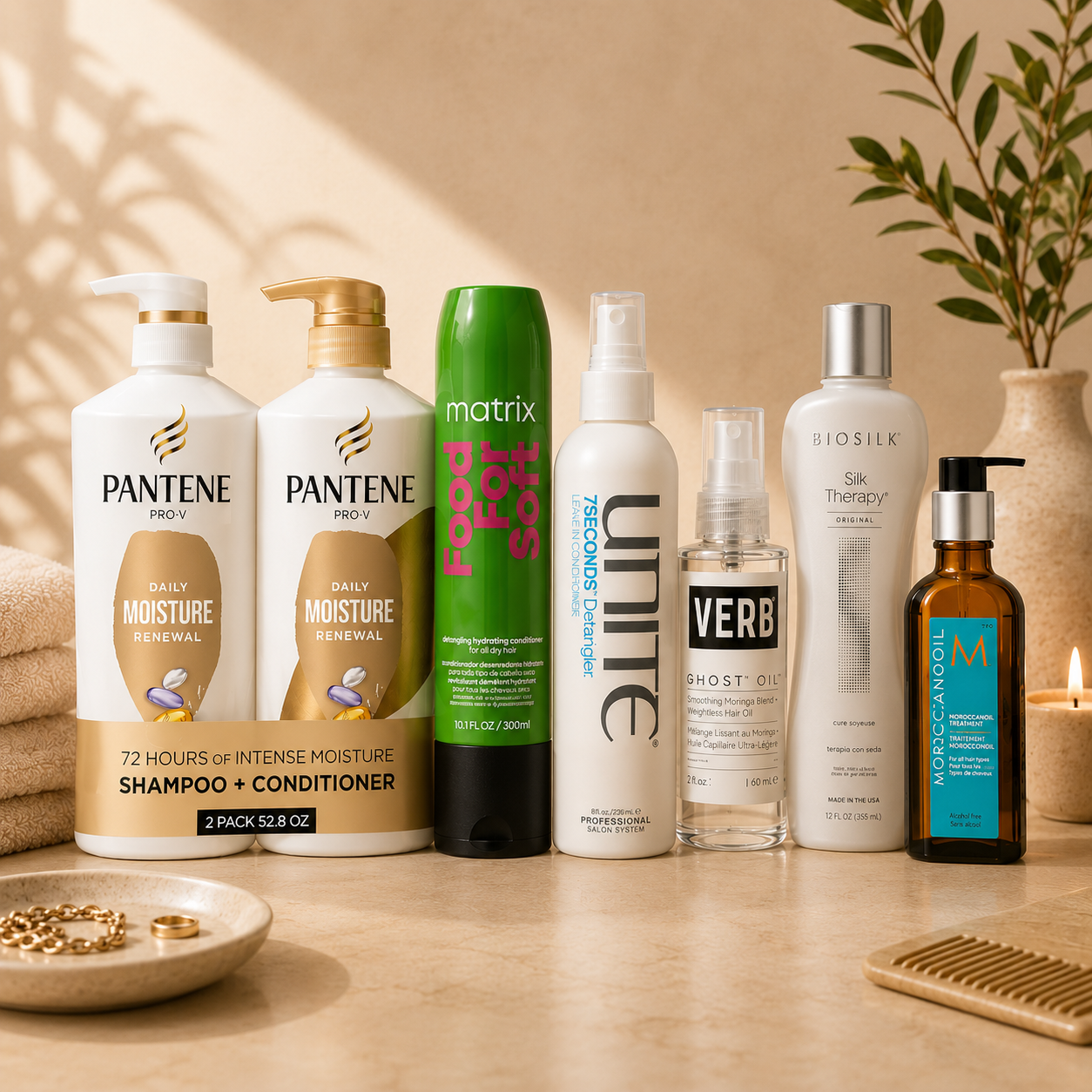
To start reversing this cycle, look for formulas featuring hydrolyzed proteins (which repair the cuticle), keratin (restores structure and elasticity), and ceramides (boost cuticle strength and lock in moisture). Oils like argan, coconut, and jojoba hydrate while protecting from UV and heat. Humectants such as glycerin and shea butter provide long-lasting softness. However, avoid sulfates and heavy alcohols that can worsen dryness and frizz. (Personal Care Science, 3TENX)
Repair and protection start with product choice but require regular, gentle routines. Choosing the best hair products for dry frizzy hair means prioritizing these core actives, balancing cleansing, conditioning, and leave-in hydration, and adjusting habits to reduce further damage.
Step-by-Step Guide: Building a Routine with the Best Hair Products for Dry Frizzy Hair
- Switch to a gentle, sulfate-free shampoo. Sulfates strip moisture and can make frizz worse. Use a shampoo targeted for dry hair, preferably with hydrating oils or proteins.
- Condition deeply with every wash. Look for conditioners packed with hydrolyzed proteins, collagen, ceramides, or nourishing oils. Leave on for at least 2-5 minutes to allow strands to absorb actives.
- Add a weekly hydrating hair mask or deep conditioner. Use masks containing shea butter, coconut oil, silk proteins, or almond oil. Popular home options (like banana and olive oil or mayonnaise masks) can offer a budget-friendly alternative—see this hair mask guide for more.
- Incorporate a leave-in conditioner or smoothing serum. Ingredients to prioritize: argan oil, jojoba oil, ceramides. Apply to damp mid-lengths and ends.
- Limit heat styling, and always use a heat protectant. Air dry when possible or keep the heat low. If styling, layer on a lightweight oil or silicone-free serum first.
- Seal in moisture with lightweight oils. After styling or air drying, apply a pea-sized amount of oil (argan, jojoba, or macadamia) to the ends.
- Rinse hair with cool water. This helps close the cuticle and trap hydration—an often-missed final step in frizz control.
While you’re improving hair, don’t neglect your scalp. A healthy scalp barrier supports stronger, well-hydrated hair—explore the scalp barrier repair guide for essential tips.
If you’re struggling with overall hair thinness or breakage, layering in a hair thinning repair routine or targeted hair oiling routine can add volume and resilience. For best results, be consistent—visible improvement from masks and serums typically takes a few weeks, depending on current hair health.
Advanced Analysis & Common Pitfalls
Even with the best hair products for dry frizzy hair, users encounter obstacles that can hinder results or worsen hair health:
- Skipping routine basics: Inconsistent washing, too much manipulation, or overuse of even the best treatments can cause setbacks.
- Relying on heavy oils or silicones: These can weigh hair down, leave residue, and make fine hair look flat rather than smooth.
- Underestimating environmental damage: UV, pollution, and daily styling all erode progress if not countered with protective products.
- Expecting instant results: Most scientific treatments, including masks and protein repairs, require continued use for a few weeks to see major change. Home remedy masks offer temporary softness but lack clinical validation for long-term repair.
- Using products with hidden sulfates or drying alcohols: Some products marketed “for dry hair” still contain these—always check ingredient lists for true gentle formulas.
| Pitfall | How to Avoid |
|---|---|
| Product contains sulfates or alcohols | Double check for “sulfate-free” and “alcohol-free” on the label or ingredient list |
| Using heat tools without protection | Always prep with lightweight oils or a dedicated heat protectant spray |
| Applying masks only occasionally | Schedule weekly deep treatments for ongoing repair |
| Washing with very hot water | Rinse with cool or cold water to help seal moisture |
According to research, masks like coconut oil plus vitamin E, banana and olive oil, almond oil and egg yolk, or even mayonnaise provide solid at-home hydration. However, be aware that these do not replace ingredients like hydrolyzed proteins or ceramides found in proven salon products (Bajaj General Insurance).
Further, while visible smoothing can start after just one application of a quality deep conditioner, clinical data on long-term outcomes remains limited. Consistency is key—most people notice steady improvement after two to four weeks of proper care.
–
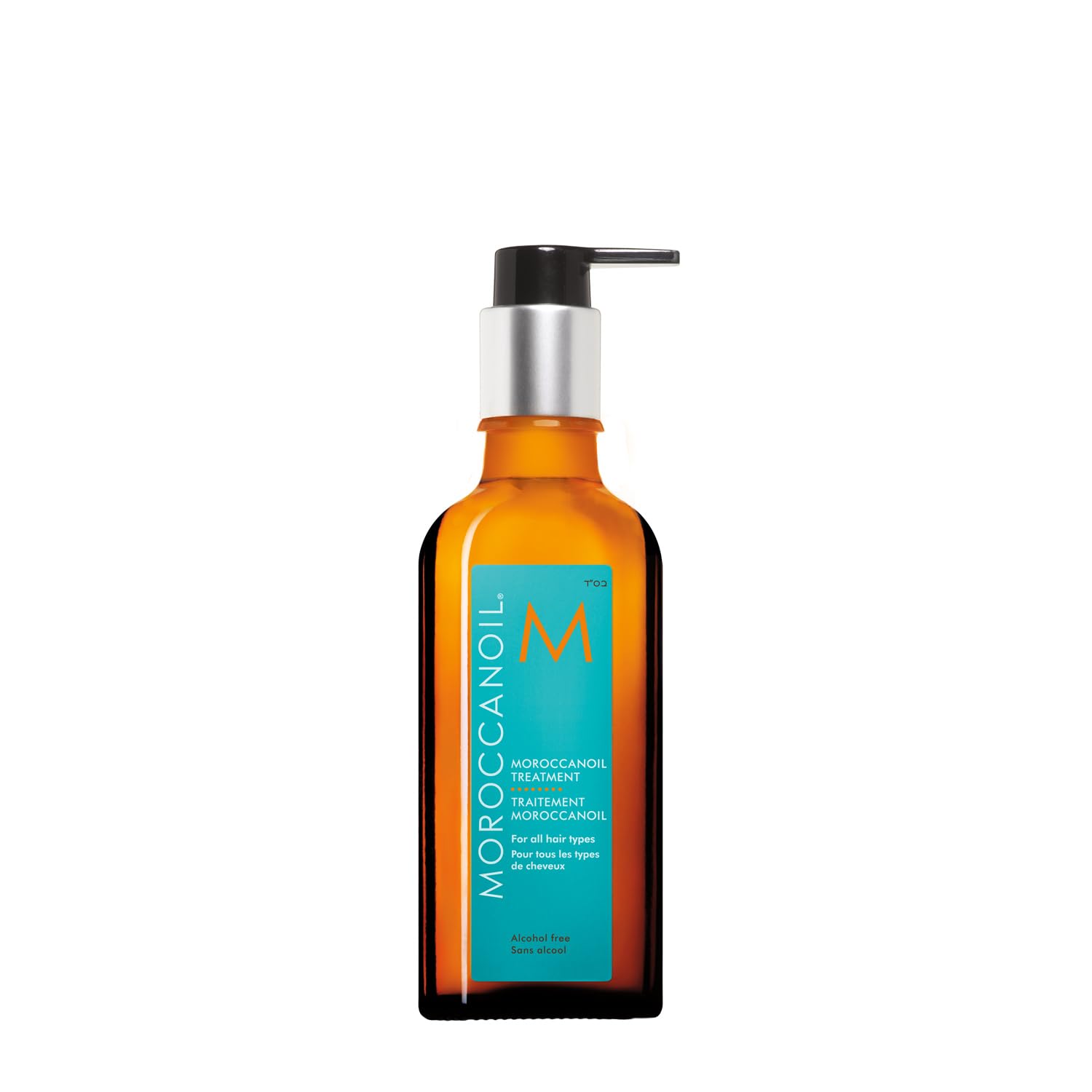
Moroccanoil
Treatment
Best hair oil
Adds shine, smooths frizz, and helps dry hair look softer and more polished.

Pureology Color Fanatic
Leave-In Conditioner
Best leave-in spray
Detangles, softens, smooths frizz, and helps protect dry hair.

Olaplex No.0 Intensive
Bond Building Treatment
Best repair treatment
Supports damaged, weakened hair and helps improve the look of breakage-prone strands.

Verb Ghost
Oil
Best lightweight oil
Smooths frizz and adds shine without feeling too heavy on finer hair.
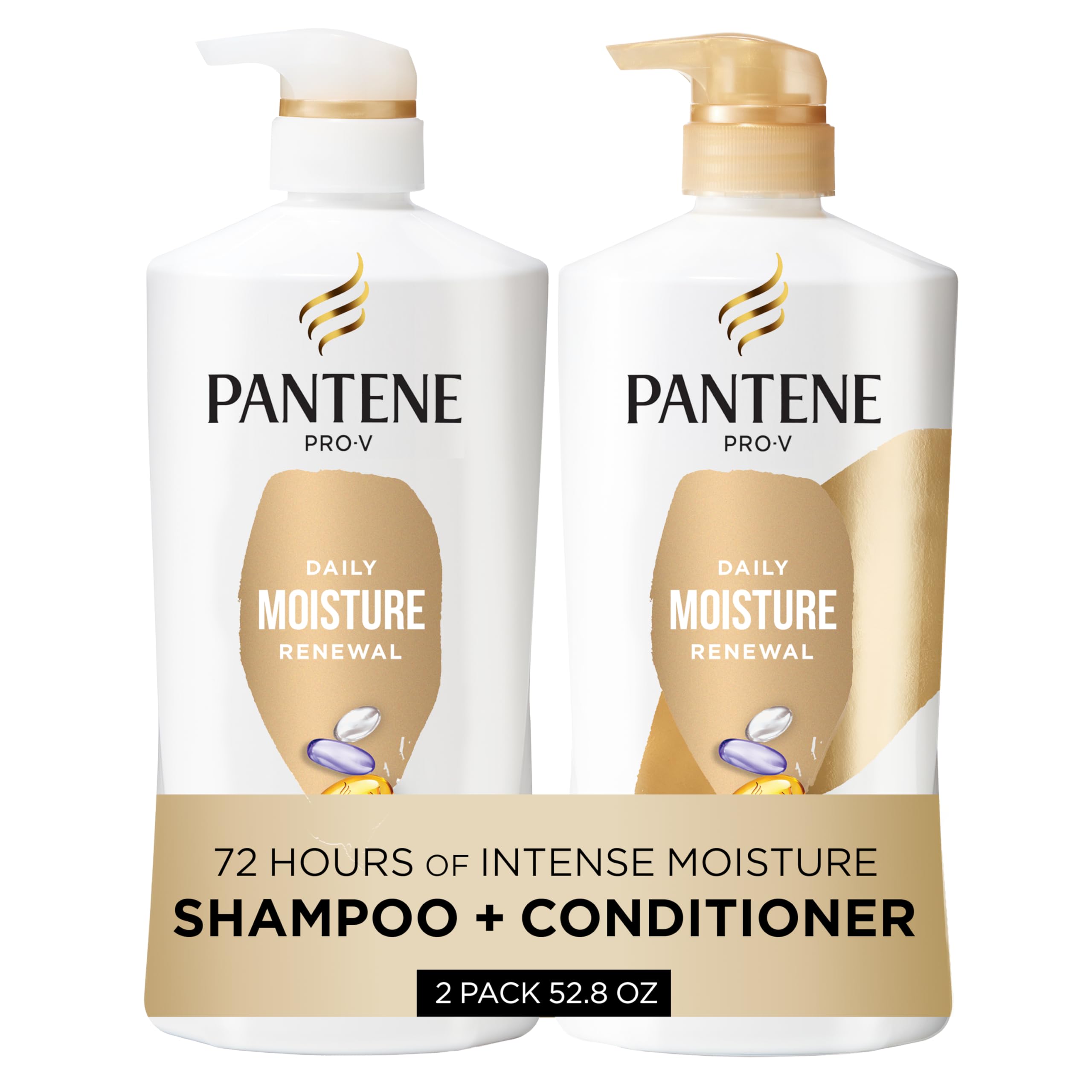
Pantene Miracle Rescue
Deep Conditioning Treatment
Best budget treatment
Helps soften dry, damaged hair and improve manageability after washing.

UNITE 7Seconds
Detangler Leave-In
Best detangler
Helps reduce tangles, smooth frizz, and make dry hair easier to brush.
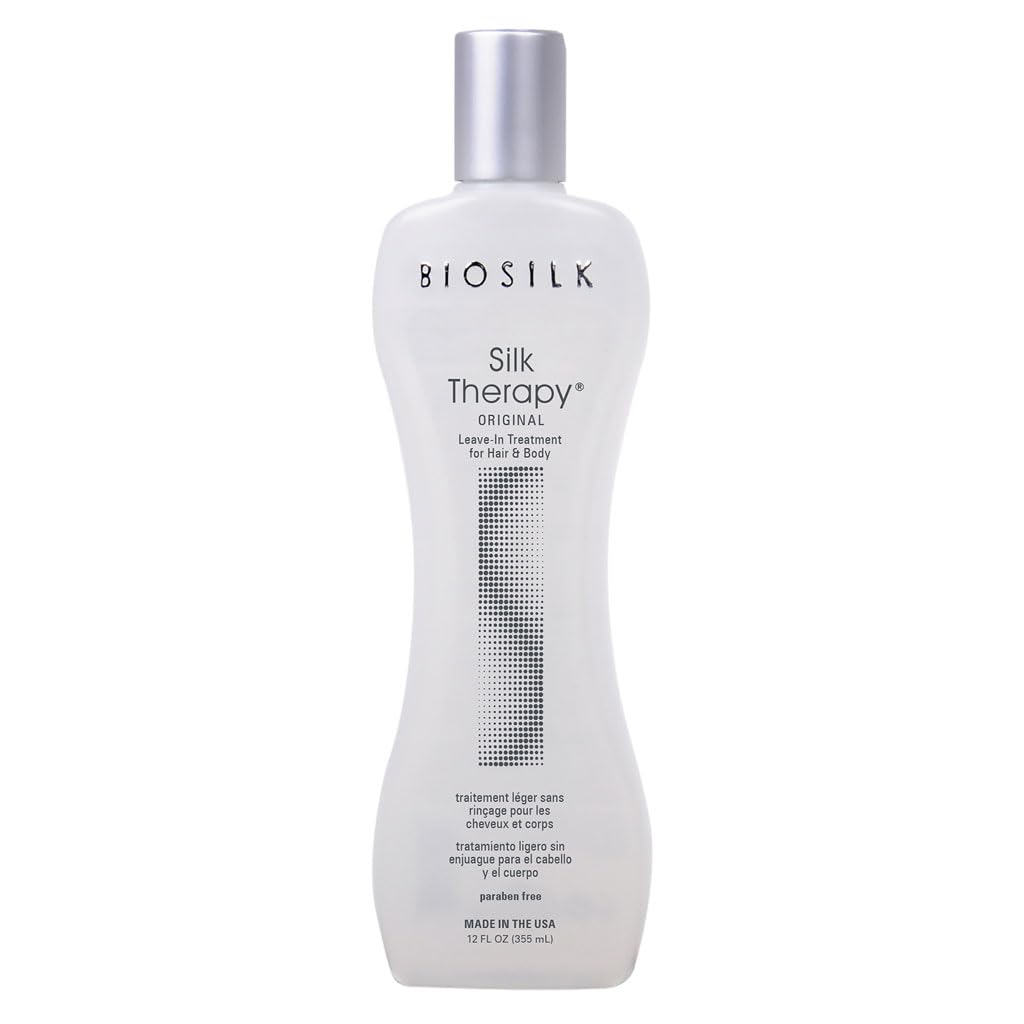
BioSilk Silk Therapy
Original
Best smoothing serum
Helps control frizz, add shine, and make hair feel smoother after styling.

Matrix Food For Soft
Conditioner
Best hydrating conditioner
Helps moisturize brittle, dry hair and leave it feeling softer after wash day.
Availability may change on Amazon. Some products may also have a full review available on our website, and we update this guide as new reviews are published.
–
Which Hair Product Should You Choose?
The best product for dry, frizzy hair depends on what your hair needs most. Some products are better for shine and softness, while others are better for repair, detangling, or daily moisture. Use this quick guide to choose the right product type for your routine.
Best Hair Oil
Choose a hair oil if your hair looks dull, feels rough at the ends, or needs extra shine after styling.
Recommended:
Moroccanoil Treatment
or
Verb Ghost Oil
Best Leave-In Spray
Choose a leave-in spray if your hair gets tangled easily, feels dry after washing, or needs lightweight daily softness.
Recommended:
Pureology Color Fanatic Leave-In Conditioner
Best Repair Treatment
Choose a repair treatment if your hair feels weak, over-processed, brittle, or damaged from heat, color, or styling.
Recommended:
Olaplex No.0 Intensive Bond Building Treatment
Best Budget Treatment
Choose a budget treatment if you want softer, more manageable hair without spending too much.
Recommended:
Pantene Miracle Rescue Deep Conditioning Treatment
Best Detangler
Choose a detangler if your hair knots easily, feels hard to brush, or becomes frizzy after washing.
Recommended:
UNITE 7Seconds Detangler Leave-In
Best Smoothing Serum
Choose a smoothing serum if your main issue is frizz, flyaways, or a rough finish after styling.
Recommended:
BioSilk Silk Therapy Original
Best Hydrating Conditioner
Choose a hydrating conditioner if your hair feels dry after shampooing and needs more softness on wash day.
Recommended:
Matrix Food For Soft Conditioner
–
Conclusion
The best hair products for dry frizzy hair deliver visible change when they feature scientifically-backed actives like hydrolyzed proteins, keratin, ceramides, nourishing oils, and humectants. But formulas alone are not enough: how you use them—regular washing, conditioning, masking, and consistent protection—determines your success.
Avoiding harsh cleansers, skipping hot tools when possible, and addressing frizz with a structured, realistic routine is the surest path to transformation. Ready to see smoother, stronger, and healthier hair? Start by revamping your lineup with the best hair products for dry frizzy hair and commit to gentle, consistent care. For more hair rescue tips, check out the related leave-in conditioner and hair mask guides.
FAQ
Which ingredients actually work best for dry, frizzy hair?
Hydrolyzed proteins, keratin, ceramides, argan oil, jojoba oil, coconut oil, glycerin, and shea butter are proven to repair, moisturize, and smooth dry, frizzy strands. Always check labels for these actives and avoid sulfates or drying alcohols. Read the research here.
Can I repair dry, frizzy hair at home with DIY masks?
DIY masks with coconut oil and vitamin E, banana and olive oil, almond oil and egg yolk, or mayonnaise deliver temporary moisture and softness. For lasting repair and strength, combine occasional DIY with high-quality commercial products containing proteins and ceramides. See more DIY options here.
How long before I see visible improvement using the best products?
Many notice softer, smoother hair after 1-2 deep conditioning treatments, especially with masks or oils. For deeper repair and less breakage, expect 2-4 weeks of steady, consistent use for major visible change. Avoid expecting overnight miracles.
What are the biggest mistakes to avoid with dry frizzy hair?
Common mistakes include frequent heat styling without protection, skipping weekly deep conditioning, and using shampoos with sulfates or alcohol. Consistency, gentle habits, and protective leave-ins will prevent major setbacks.
Does my scalp health impact frizz and dryness?
Absolutely. A damaged or irritated scalp can worsen dryness and stifle healthy growth. Learn how to support scalp barrier health in this scalp repair guide.