
hair mask for dry hair is a must-have for anyone struggling with rough, brittle, or thirsty strands. If you want clinically proven hydration, visible softness, and deeper repair—not just surface-level shine—a targeted hair mask can be game-changing. However, success depends on picking the right formula, knowing what to expect, and avoiding common mistakes that waste money or even lead to disappointment.
Key Takeaways
- Hair masks can decrease dryness by over 20% and keep hair hydrated for up to 30 minutes after treatment, according to scientific studies.
- Formulations with emollients, humectants, and synthetic bond builders like Olaplex offer deeper repair for heat-styled or color-treated hair, while natural oils boost sustainability appeal.
- Common user complaints include strong fragrances, but proven masks rarely cause buildup or greasiness when used properly.
- What Is a Hair Mask for Dry Hair (& Why It Matters)
- Step-by-Step: How to Use a Hair Mask for Dry Hair
- Advanced Analysis & Common Pitfalls
- Conclusion
- FAQ
What Is a Hair Mask for Dry Hair (& Why It Matters)
Hair masks for dry hair are intensive treatments designed to deliver much more moisture, softness, and repair than standard conditioners. Unlike lightweight daily products, these masks rely on rich emollients, humectants, and sometimes bond-repairing ingredients to address deep thirst, brittleness from styling, color-damage, or climate exposure. Modern studies using 3D Raman spectroscopy confirm these masks not only coat the hair but also penetrate into the fiber, reducing measured dryness by more than 20% for at least half an hour after a single use.
With hydration-focused masks now rising to the top of beauty searches each winter, and the global market set to hit $1.18 billion by 2033, there have never been more options—or more evidence that the right mask, used correctly, can actually build resilience and lasting shine. But with so many claims, it pays to look at scientific results, proven ingredients, and user experiences before choosing yours.
Step-by-Step: How to Use a Hair Mask for Dry Hair
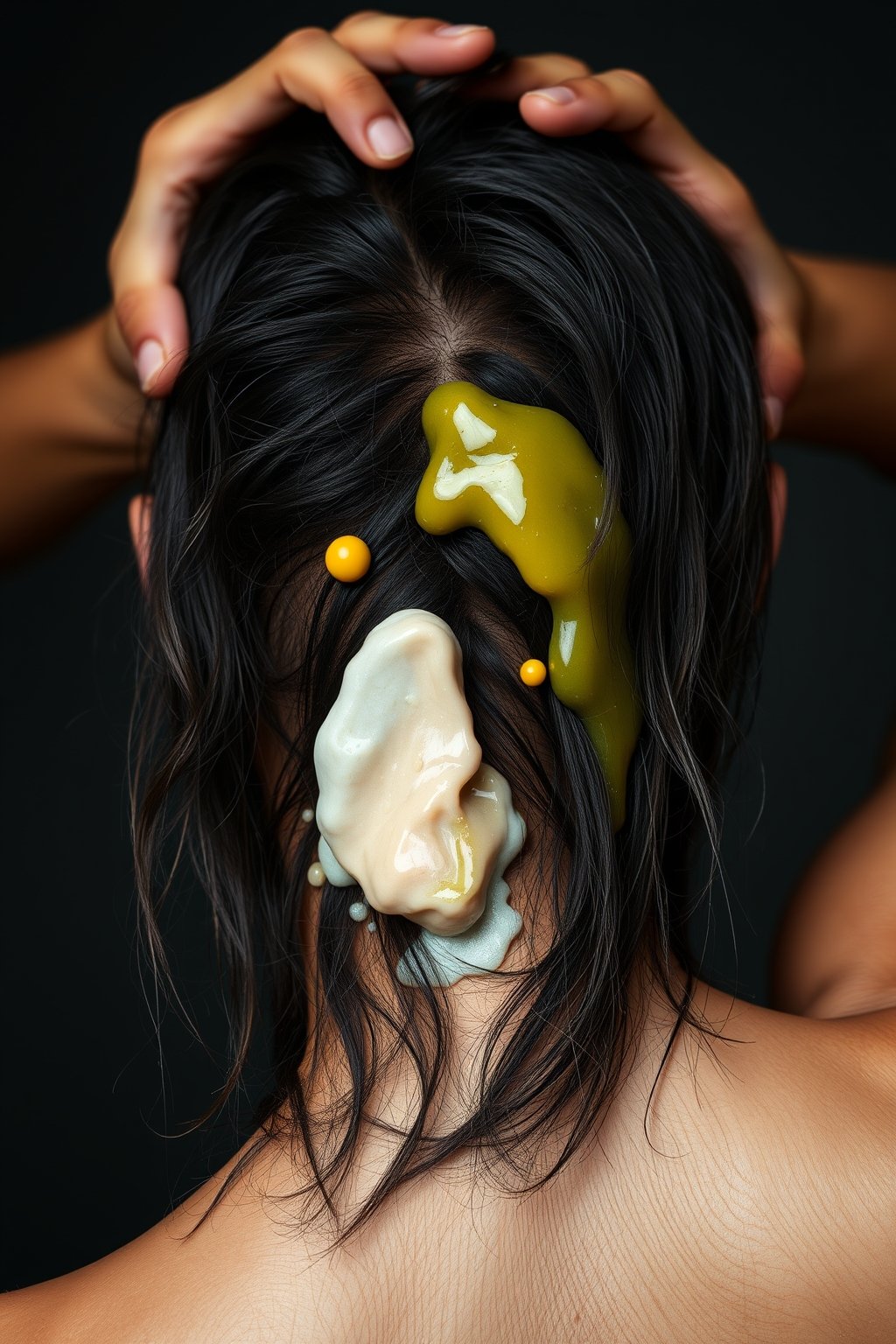
Getting the best results from a hair mask for dry hair isn’t as simple as slapping it on. For hydration that lasts and visible improvement, follow these actionable steps:
- Choose the right formula for your hair type and needs. For damaged or over-processed hair, look for ingredients like Bis-Aminopropyl Diglycol Dimaleate (as in Olaplex No. 8), keratin, and argan oil. For curly or textured hair, masks with Jamaican Black Castor Oil (like the one by SheaMoisture) can restore softness and shine. For medium-to-thick hair craving moisture, Moroccanoil’s blend of argan oil, linseed extract, and glycerin works well.
- Wash with a gentle shampoo before masking. Clean hair allows active ingredients in the mask to absorb better without barrier from product or oil buildup.
- Apply evenly to towel-dried hair, focusing on mid-lengths and ends. Roots can get heavy if overladen, so apply sparingly at the scalp unless the product states otherwise.
- wrap hair in a warm towel or use a shower cap for light heat. Leave on for the full recommended time—typically five to fifteen minutes. For deeper hydration, some people gently wrap hair in a warm towel or use a shower cap for light heat. Avoid overextending (over 30 minutes), as this rarely increases absorption and can actually make some hair types limp.
- Rinse thoroughly with lukewarm water. Cool water can help seal cuticles but isn’t mandatory unless your hair is highly porous.
- Style as usual. Don’t add heavy oils or more masks, as true hydration should make hair soft and easy to detangle—even with minimal product.
- Repeat one to two times weekly. Overuse may lead to buildup or diminishing returns—quality trumps frequency.
To strengthen the scalp barrier while masking, try applying a targeted treatment beforehand, following a scalp care routine. This creates the optimal foundation for hair growth and helps avoid irritation—especially crucial if you have sensitivity or chronic dryness.
Looking to maximize repair for thinning or brittle strands? Pair your mask sessions with a hair thinning repair routine or introduce nourishing hair oils using a hair oiling routine once every week. Layering these approaches smartly addresses both surface and internal hair health.
Advanced Analysis & Common Pitfalls
Using a hair mask for dry hair does not guarantee salon-smoothness every time. Here are the most realistic pros, cons, and mistakes based on the latest studies and user trends:
- Many reviews focus only on “softness” or “shine” after one wash but skip hard data. Actual hydration retention (see Raman study) shows a significant moisture boost that lasts up to 30 minutes—yet long-term improvement requires regular, consistent use. If you only mask sporadically, results will fade quickly.
- Scent is the chief complaint: SheaMoisture’s popular castor mask offers real softness but its earthy, play-dough-like fragrance is off-putting for some. Patch test unfamiliar products to check for odors or irritants before a full application.
- No significant concerns with buildup, greasiness, or residue have been cited in recent trusted reviews for top brands like Olaplex, Moroccanoil, or SheaMoisture—provided you rinse fully and avoid overuse.
- Multifunction is in demand (62% of shoppers), but many “repair-and-hydrate” masks focus only on marketing. Proven ingredients make a bigger difference than buzzwords.
- Gaps in male-targeted or organic mask information: Sales of organic masks are growing at 7% yearly, while men’s masks are seeing 10% year-on-year growth but still lack in-depth usage guides and targeted ingredient lists.
| Mask Type | Key Ingredients | Target Hair Need | Standout Results | Common Drawbacks |
|---|---|---|---|---|
| Olaplex No. 8 | Bis-Aminopropyl Diglycol Dimaleate (synthetic bond builder), Hyaluronic Acid | Chemically damaged, color-treated, heat styled | Reduces frizz, repairs bonds, boosts shine | Price point, not fully “natural” |
| SheaMoisture Jamaican Black Castor Oil | Castor Oil, Shea Butter | Curly, coily, breakage-prone | Softens, adds slip, reduces shedding | Strong smell |
| Moroccanoil Intense Hydrating | Argan Oil, Linseed Extract, Glycerin | Medium-thick, dull, dry hair | Silky feel, shine, easy detangling | May leave fine hair limp if overused |
| DIY/Natural Oil Masks | Coconut, Argan, Olive, Honey | Surface hydration, sustainability | Boosts moisture, eco appeal | Risk of over-oiling, can weigh down fine hair |
Those using both synthetics and naturals to target unique needs can see double the benefit: synthetic bond-repair technology restores structure, while oils and plant extracts hydrate, reduce frizz, and encourage shine. For full results, make sure your barrier is intact—read more in our barrier repair moisturizer guide and scalp exfoliation tips.
Want a cutting-edge upgrade? Consider exosome serums (learn more: exosome hair serum guide) as a booster before your hair mask.
Conclusion
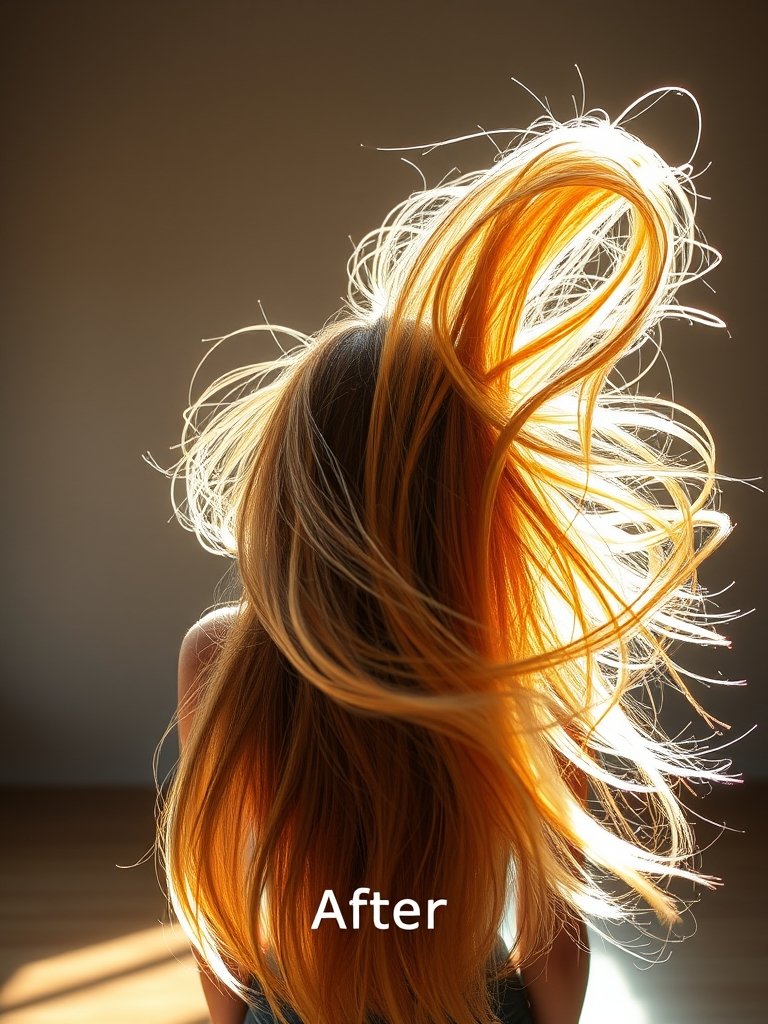
The right hair mask for dry hair is more than a luxury—it’s science-backed self-care. Masks rich in clinically proven hydration agents, whether natural oils or advanced synthetics, can cut dryness by 20% or more and visibly reverse damage.