

At-home laser hair removal is changing how people manage unwanted hair, offering professional-level results in the comfort of your own home without salon costs or scheduling stress. If you want smoother skin with more control and convenience, here’s the real data you need—what works, what to expect, the pitfalls, and how to succeed.
Key Takeaways
- At-home laser hair removal has exploded in popularity for its convenience and cost savings, now preferred by over 65% of users.
- Technology—like AI skin tone sensors and adjustable intensity—drives better at-home results, but up to 25% of beginners aren’t satisfied initially.
- Choosing the right device and method is key: know the common mistakes, compare features carefully, and follow a proven, safe routine for the best outcome.
- What Is At-Home Laser Hair Removal?
- How To Do At-Home Laser Hair Removal: Step-By-Step Guide
- Advanced Analysis & Common Pitfalls
- Conclusion
- FAQs
What Is At-Home Laser Hair Removal?
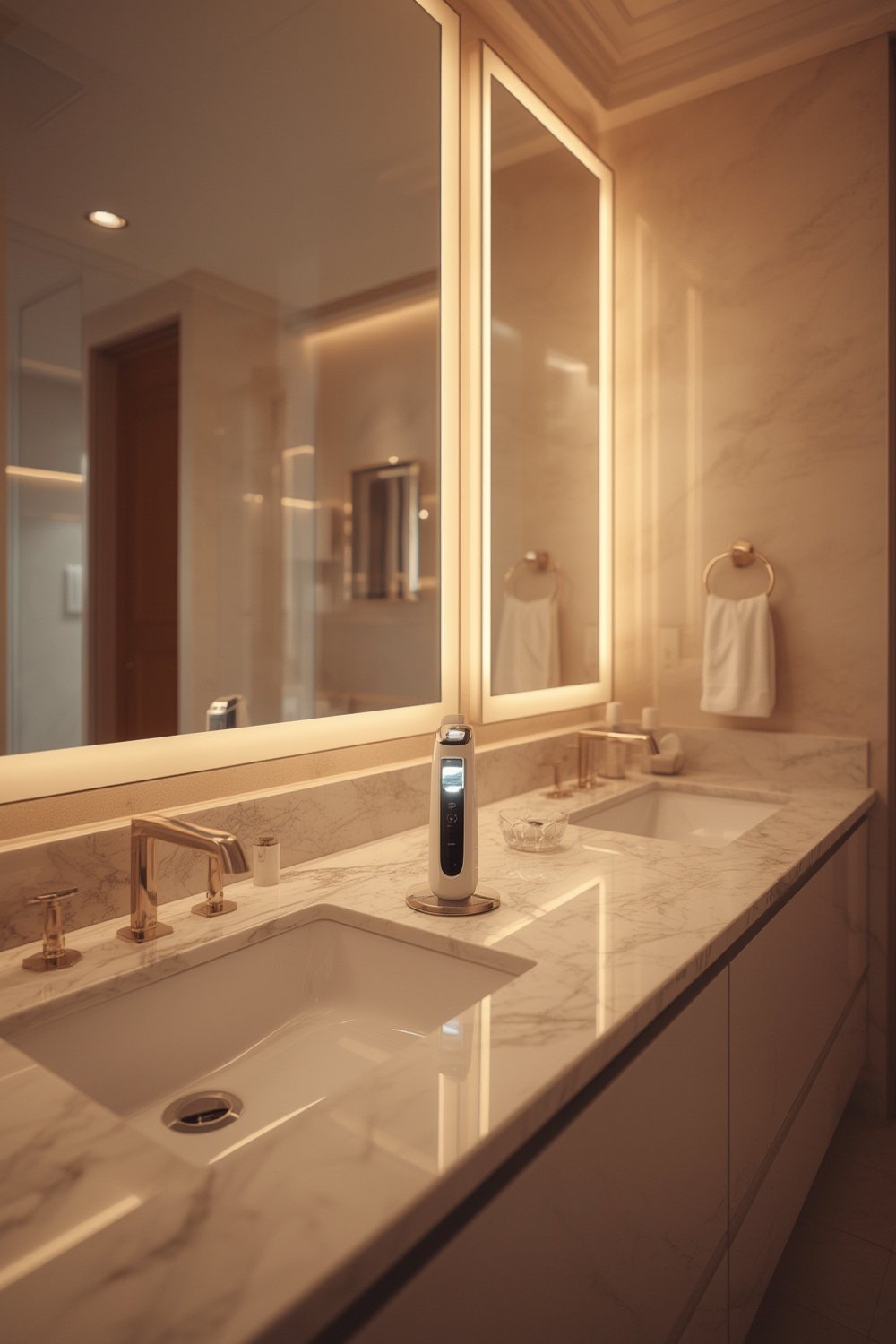
At-home laser hair removal uses devices powered by IPL (Intense Pulsed Light) or laser technology to deliver rapid flashes of energy that target and disable the hair follicle. This leads to a gradual reduction in hair growth over several treatments. The main draws are privacy, flexibility, and the chance to avoid salon costs. In 2024, the at-home IPL market reached $1.16 billion, with an expected surge to $1.67 billion by 2034—proof that more people crave convenient, budget-friendly solutions.[source] Devices have improved fast: AI-powered sensors, wireless models, and adjustable intensity settings mean more users are achieving smoother skin with less risk. Still, not all devices perform equally—knowing how they differ is crucial to avoid disappointment. Learn more fundamentals in this step-by-step at-home hair removal guide.
How To Do At-Home Laser Hair Removal: Step-By-Step Guide
Ready to try at-home laser hair removal? These detailed steps make it safer and more effective:
- Patch Test First: Test a small skin section 24 hours before full use to check for redness or irritation.
- Shave The Area: Remove hair with a clean razor; avoid waxing or tweezing. IPL and laser only target follicles beneath the skin, not surface stubble.
- Clean and Dry Your Skin: Wash away lotions, deodorants, or oils. Dry thoroughly.
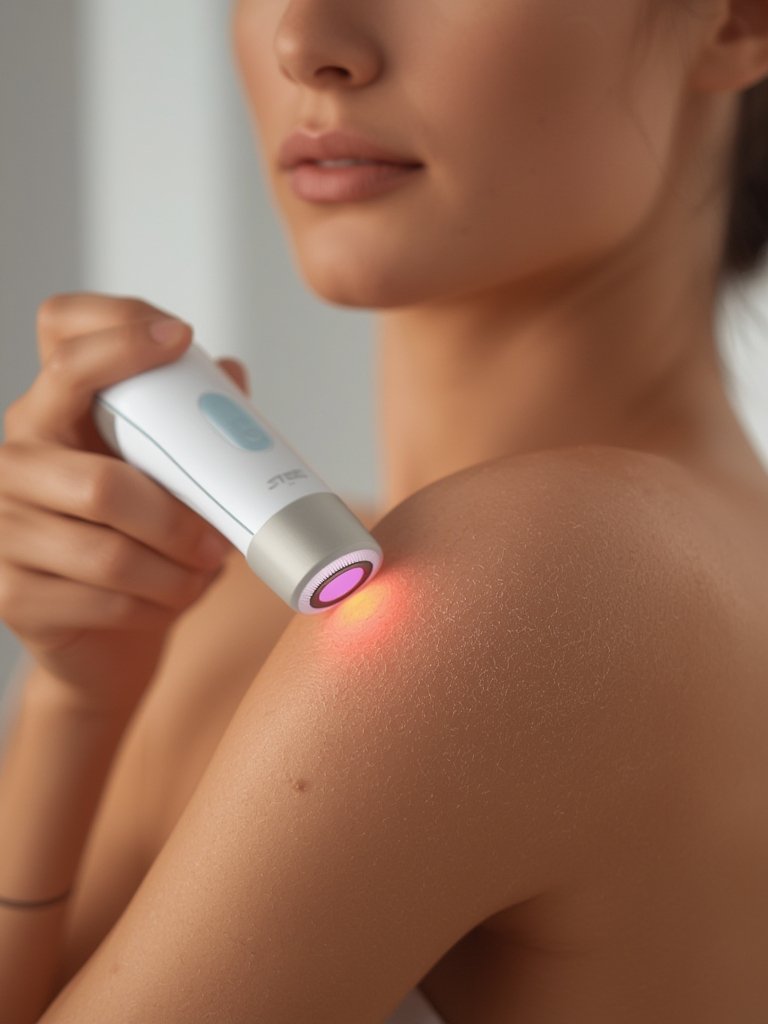
- Choose The Right Energy Level: Start on the lowest setting if new. Devices with AI or skin tone sensors will adjust automatically for safety.
- Apply The Device: Place the window flat against the skin. Press the button to deliver a flash, moving methodically across the area. Never double-flash the same spot in a session.
- Use a fragrance-free barrier repair moisturizer After: to calm the skin. Avoid sun exposure and hot showers for 24 hours.
- Repeat for Results: Follow your device’s schedule—usually every 2 weeks for the first 4-5 treatments, then reduce as hair growth tapers.
Halfway through your journey? You can boost your hair removal routine by supporting your skin barrier—see strategies in this barrier repair moisturizer guide.
If you have skin prone to irritation (redness, bumps), read these IPL safety tips before getting started.
Advanced Analysis & Common Pitfalls
Even as at-home laser hair removal gets popular, real-world data shows it’s not perfect. Here are the pitfalls and what the market reveals:
- Efficacy Is Not Guaranteed: About 25% of first-time users are dissatisfied with early results, often due to improper use or unrealistic speed-of-results expectations.[source]
- Device Selection Matters: Top brands like Philips, Braun, and Silk’n now offer wireless designs (over 55% of market share), but some users find older, wired models more consistent for power.
- Feature Set Drives Success: Adjustable intensity, AI-powered skin sensing, and fast treatment modes improve safety and results across more skin tones—but not every device offers all these features.[source]
- Unknown Device Lifespan: No industry-standard measure for how long a device will last (like individual flash counts or years). Professional salon lasers may last longer but come at a higher cost.
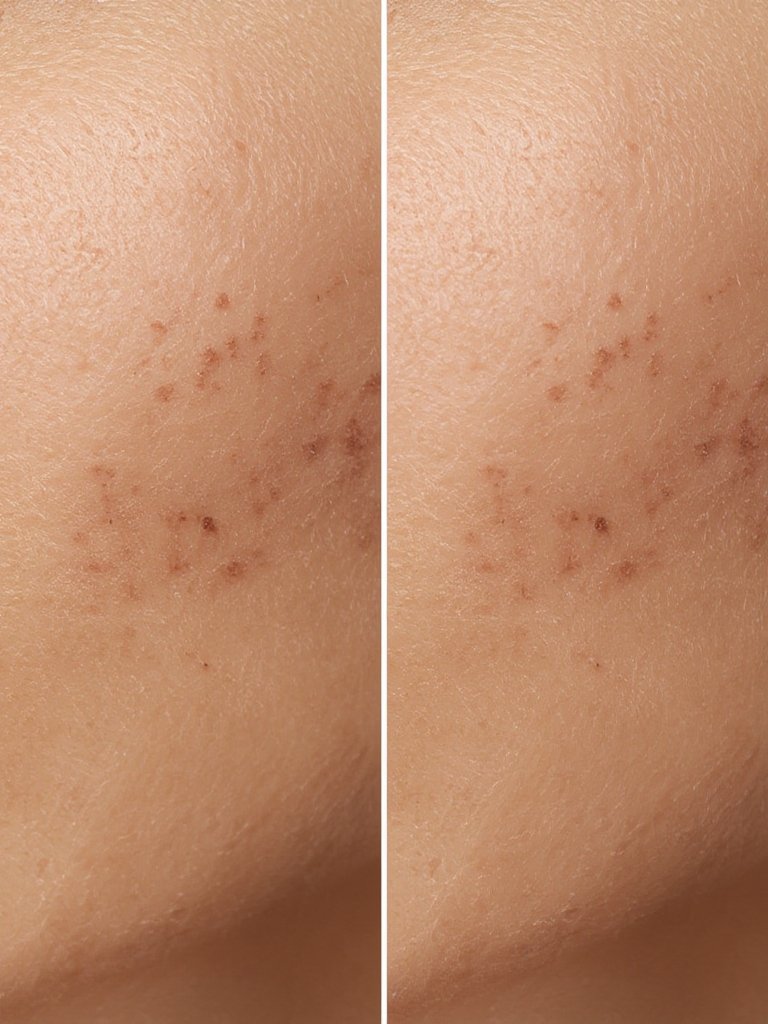
- Expect Gradual Results: Both at-home and salon devices deliver gradual reduction, not instant “permanent” removal. Commitment and correct application matter most.
- Potential for User Error: Double-flashing, skipping shaving, or using the wrong energy setting can cause irritation or lackluster results. Follow guides like this in-depth laser hair removal guide for a foolproof process.
| Feature | At-Home IPL Device | Professional Salon Laser |
|---|---|---|
| Average Cost | $250-$650 (one-off) | $1,500+ (multi-session) |
| Convenience | Home, anytime | Clinic visits required |
| Typical Results | Comparable, but gradual | Usually faster reduction |
| User Dissatisfaction (Short-term) | ~25% (first-time users) | Lower, but not zero |
| Device Lifespan | Not standardized or published | Clinic-grade & serviced |
If you’re comparing laser, IPL, waxing, and other at-home methods, check this at-home waxing kit comparison for alternative pros and cons.
Conclusion
At-home laser hair removal offers freedom, affordability, and genuine results for most users—as long as you match the right device and routine to your skin’s needs and stay consistent. If you want smoother skin but prefer to skip extra salon appointments, these devices are convincing more people every year. Be realistic: up to 25% of new users are disappointed early. Do your research, protect your barrier, and stay patient for gradual, lasting change. Ready to try at-home laser hair removal? Start with a proven approach and support your results with a good skincare routine. Explore related routines for skin and hair health, like a skin cycling routine or a hair thinning repair plan to stay glowing and confident.
Take the next step: choose a reputable device, follow these steps, and keep your expectations clear for the smoothest journey yet.
FAQs
Does at-home laser hair removal really work?
Most users see a gradual reduction in hair growth after several sessions, but results vary, and up to 25% of first-timers are dissatisfied at first. Patience and consistent use are key.
Is it safe for all skin tones and hair types?
Modern devices with AI-powered skin tone sensors offer better safety for a wider range of tones. However, those with very dark skin or very light hair may get less dramatic results. Always check device specs and do a patch test.
How long does it take to see results?
You’ll usually notice reduced regrowth after 3–4 sessions (4–8 weeks), with more dramatic improvements after two to three months. Long-term results are best with consistent maintenance.
What features should I look for in a device?
Prioritize adjustable intensity, skin tone sensors, wireless design for convenience, fast treatment times, and precision tips for sensitive zones. Sticking with established brands is recommended.
Are there side effects?
Common side effects include redness, mild stinging, and temporary bumps. Rare complications (like burns) mostly happen from improper use. Always follow safety guidelines and avoid sun exposure after treatment.