

Magnesium body wash is quickly becoming a favorite among athletes, fitness enthusiasts, and anyone seeking natural muscle recovery and relaxation during their daily shower routine. But can it really speed up post-workout recovery—or is it just hype? Let’s break down the science and show you exactly how magnesium body wash works, how to use it for best results, what to watch out for, and where it fits in your self-care lineup.
Key Takeaways
- Magnesium body wash delivers topical magnesium for muscle recovery, but absorption varies by person and situation.
- No major safety concerns exist, but results may be milder compared to oral supplements or professional therapies.
- Pairing magnesium wash with proven routines—like skin cycling or barrier repair—can enhance skin and body benefits.
- What is Magnesium Body Wash and Why Use It?
- How to Use Magnesium Body Wash: A Step-by-Step Guide
- Advanced Analysis and Common Pitfalls
- Conclusion
- Frequently Asked Questions
What is Magnesium Body Wash and Why Use It?
Magnesium body wash is a cleansing product infused with magnesium salts—most often magnesium chloride or magnesium PCA—sometimes combined with soothing botanicals like lavender, menthol, or cica. The main promise: support muscle recovery, ease soreness, and induce relaxation, all while you shower. This stems from research showing that magnesium supplementation can reduce post-exercise soreness and help restore muscle function, especially in athletes (clinical review).
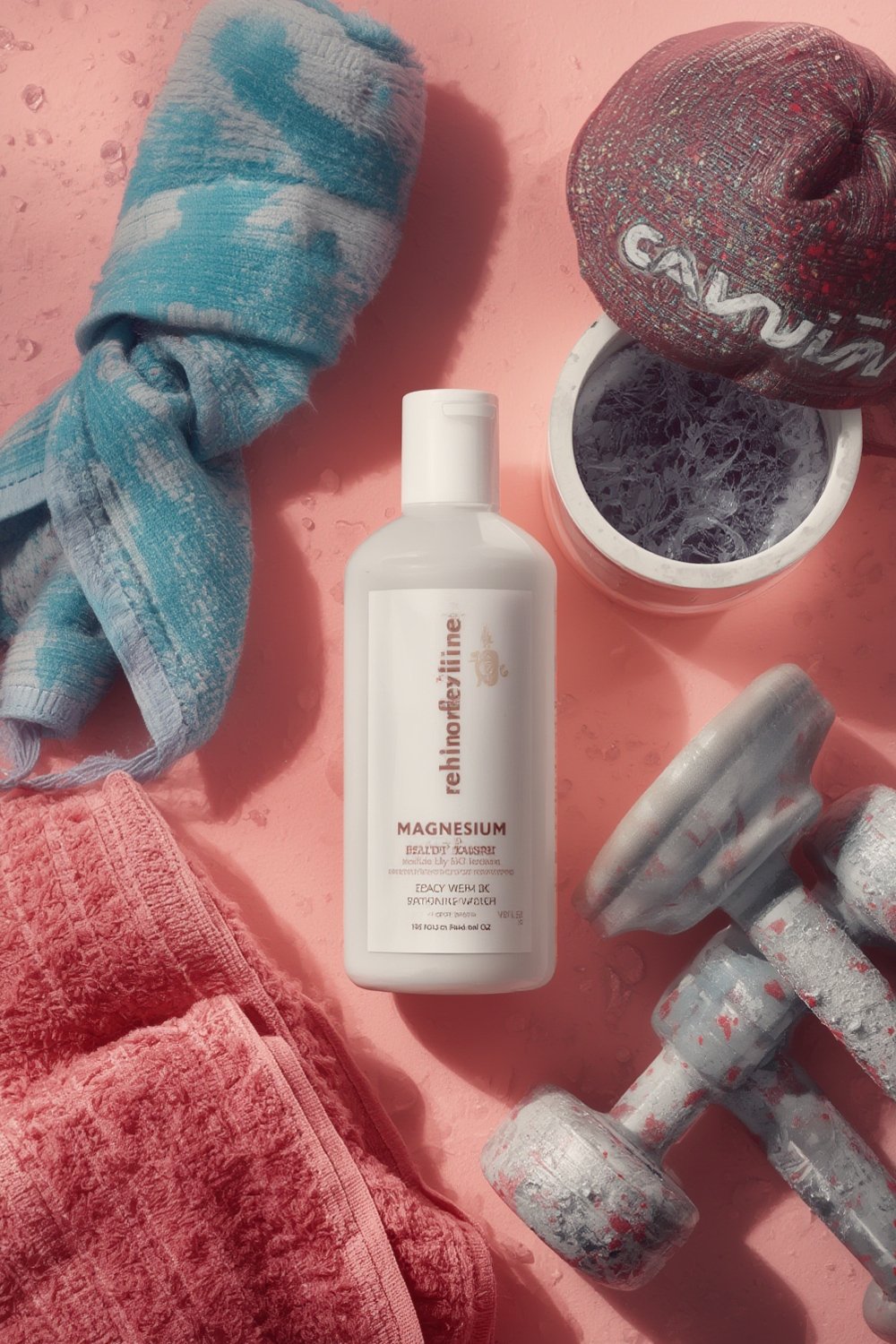
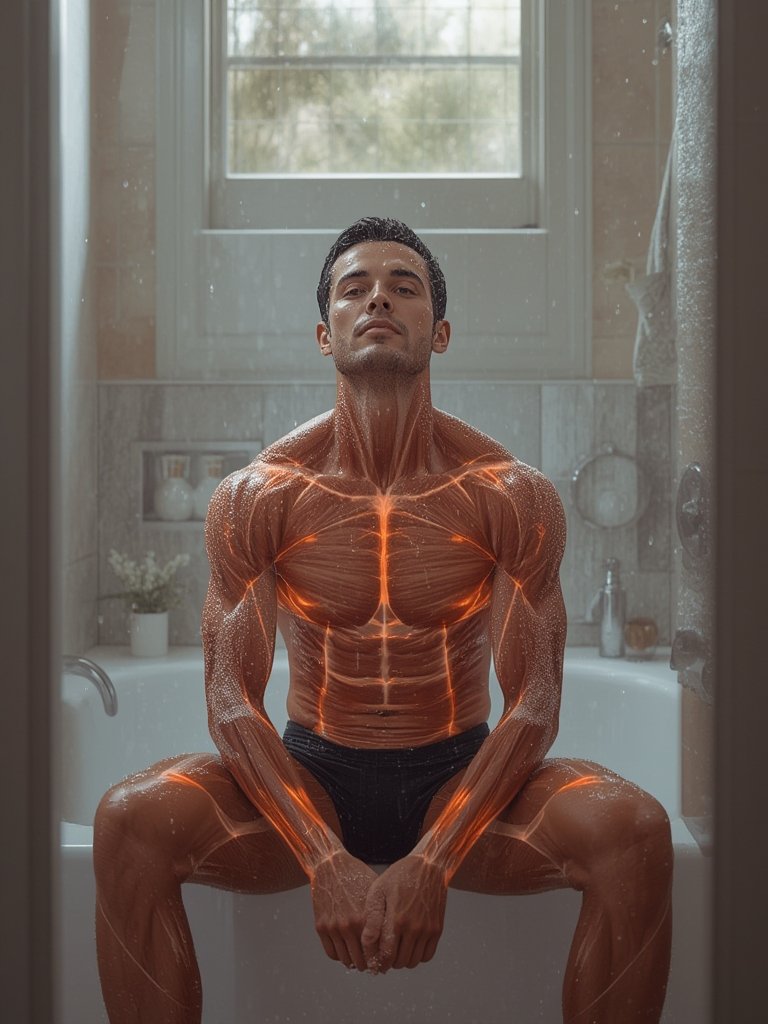
Unlike oral magnesium, topical forms (including body wash) are aimed at quick, localized soothing—think sore legs after a run, or tight shoulders after a long workday. Magnesium acts as an antioxidant and anti-inflammatory agent, potentially flushing lactic acid and relaxing tense muscles (USATriathlon report). It’s especially useful for people who want the relaxing benefits of magnesium without possible digestive side effects common with oral use.
Key benefits claimed by brands and some early studies include:
- Faster muscle recovery after exercise or strain
- Reduced feelings of soreness and “heavy” muscles
- Calmer nerves and support for restful sleep
- Skin hydration and reduced dryness, especially with added botanicals
However, it’s important to note that some experts remain skeptical about how deeply topical magnesium can penetrate the skin—and whether it’s enough to impact deep tissue recovery (analysis). Some results may be due to the warm water and massage of showering itself. Still, many users find regular use leaves their skin softer and their muscles genuinely more relaxed at the end of the day. If you want to support your recovery routine and skin health with minimal extra steps, magnesium body wash is a low-risk, potentially rewarding option.
How to Use Magnesium Body Wash: A Step-by-Step Guide
Using magnesium body wash for maximum muscle and skin benefits isn’t complicated—but there are ways to make sure you get the most out of each shower. Here’s a realistic step-by-step routine:
- Wet your body thoroughly with warm (not hot) water—this opens pores and preps skin for absorption.
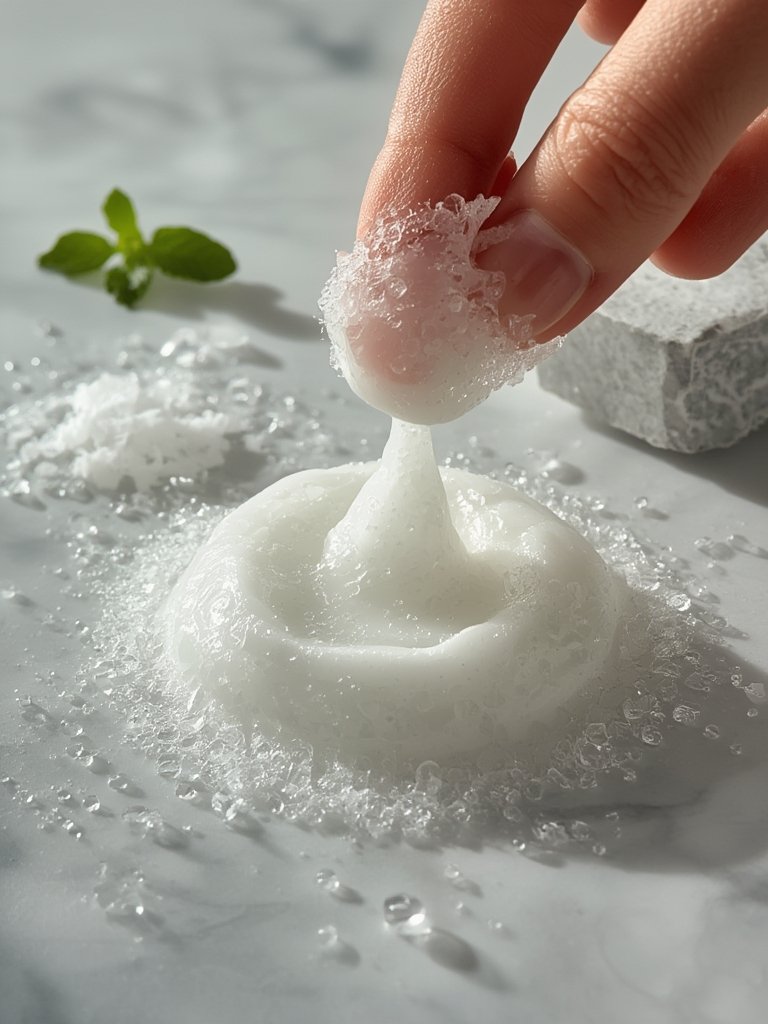
- Dispense a generous amount of magnesium body wash into your palms or a soft cloth.
- Massage gently into sore muscle groups (calves, shoulders, lower back), taking at least 1-2 minutes per area for best contact and relaxation. Breathe deeply—many formulas include calming scents like lavender for added aromatherapy.
- Let it “soak in” for at least one minute before rinsing. Don’t rush. Use circular motions for extra muscle relief.
- Rinse thoroughly with lukewarm water. Pat dry, and follow with a quality skin barrier repair moisturizer if you have dry or sensitive skin. (Internal tip: See this guide for body skin barrier repair.)
- Repeat after workouts or before bedtime for best cumulative effect. Consistency, not just the product, matters for muscle recovery.
Bonus: If your skin is prone to sensitivity, consider rotating in a gentle, skin-barrier focused wash like hypochlorous acid body wash once or twice per week to reduce risk of irritation. If you’re new to actives and want to combine recovery with total skin wellness, add a restorative night routine from this skin cycling steps guide.
Advanced Analysis and Common Pitfalls
Despite the appeal, magnesium body wash isn’t a miracle cure. Here’s what real-life research and user experiences reveal about results and possible downsides:
- Absorption isn’t guaranteed: Not everyone’s skin will absorb the same amount of magnesium. Thicker areas and dry skin may resist entry; overall “soak time” is brief compared to magnesium baths or leave-on body creams.
- Scientific proof is emerging: While studies on athletes show promising improvements in muscle soreness and recovery with magnesium supplementation (see study), evidence for body wash—specifically over lotions or oral dosing—is limited.
- Benefits may be subtle: For some, the main effects come from massage, warm water, and aromatherapy—not just the magnesium. Results vary and may take weeks of regular use to become noticeable.
- Potential for irritation is low: No major safety concerns are reported in studies, but very sensitive skin may react to added fragrances or essential oils. Always patch-test if you’re prone to eczema or dermatitis.
- Lack of market or pricing clarity: Compared to well-known bath or shower gels (like those with menthol or eucalyptus), little public data exists on how magnesium body wash stacks up in cost and performance. Shop carefully—check the ingredient list for actual magnesium content, not just “magnesium-infused” marketing.
| Magnesium Body Wash | Magnesium Lotion/Balm | Oral Magnesium |
|---|---|---|
| Fast, easy to use; targeted to muscle groups; skin soothing | Higher skin contact time; better for chronic pain or cramping | Scientifically proven for muscle recovery; may cause digestive upset |
| Absorption level may be low for deep tissues | More effective absorption than wash, but may feel greasy | No skin contact needed; delivers systemic effects |
| Often combined with calming botanicals, great for sleep routine | Great for spot treatment after hard training | Recommended dose needed for results; not for everyone |
To further support your recovery, consider these related guides: barrier repair moisturizer to prevent dryness after showering, or skin longevity supplements if you want to combine nutrition with topical care.
Conclusion
Using magnesium body wash is a simple, practical way to infuse your daily routine with muscle-soothing benefits and improved skin comfort. While its effect on deep muscle recovery is still being studied, many users enjoy less soreness, better sleep, and healthier skin—especially when used with consistent shower and wellness habits. If you’re curious about topical magnesium, there’s little risk and plenty of potential reward. Want to make magnesium body wash part of your self-care toolbox? Give it a try, listen to your body, and don’t hesitate to combine it with other supports for maximum recovery.
Ready to experience the difference? Start your magnesium body wash routine today and notice the change in your next workout or restful night! Share your experience or get more tips on total-body wellness in our related guides.
Frequently Asked Questions
Can magnesium body wash replace oral magnesium for muscle cramps?
No. While it may help mildly with soreness and surface relaxation, oral magnesium is much more thoroughly researched for treating cramps and correcting deficiencies. Use the body wash as a supplement to—not a replacement for—dietary magnesium.
Will magnesium body wash irritate sensitive skin?
Most magnesium body washes are well-tolerated, but added fragrances or botanicals could irritate very sensitive skin or eczema-prone areas. Always patch-test a small area before full use.
How often should I use magnesium body wash for best results?
Daily use is safe for most people, especially post-workout or in the evening. For deep muscle recovery, combine with stretching, balanced hydration, and, if tolerated, an occasional magnesium lotion or bath.
Is there a best time to use magnesium body wash?
Use after exercise to help flush lactic acid, or before bedtime to maximize relaxation and sleep support. The best timing depends on when you feel tightness or soreness in your muscles.
Does it matter what type of magnesium is in the body wash?
Yes. Magnesium chloride and magnesium PCA are better absorbed topically than magnesium sulfate. Check labels for these ingredients if your main goal is recovery.