

Hypochlorous acid body wash is rapidly gaining attention as a gentle yet powerful solution for those with sensitive skin, eczema, or recurring irritation. But can it really outperform traditional body washes, and is it safe for daily use?
Key Takeaways
- Hypochlorous acid body wash shows proven antibacterial and anti-inflammatory benefits in research, especially for sensitive and eczema-prone skin.
- Scientific studies report it reduces bacteria, redness, and itching without harming the skin barrier or microbiome.
- Consumer complaints and price comparisons are rarely addressed in current articles—there is limited public feedback on side effects or downsides.
- What Is Hypochlorous Acid Body Wash & Why Consider It?
- How to Use Hypochlorous Acid Body Wash: Actionable Steps
- Advanced Analysis & Common Pitfalls
- Conclusion
- FAQ
What Is Hypochlorous Acid Body Wash & Why Consider It?
Hypochlorous acid (HOCl) is a naturally occurring molecule your immune cells make to fight off microbes. In stabilized, pH-neutral formulas, hypochlorous acid body wash can target bacteria, yeast, and even viruses, while being unexpectedly gentle. Recent studies show stabilized HOCl kills 99.9% of tough bacteria like MRSA and Staphylococcus aureus in minutes without disrupting your skin’s barrier or microbiome.
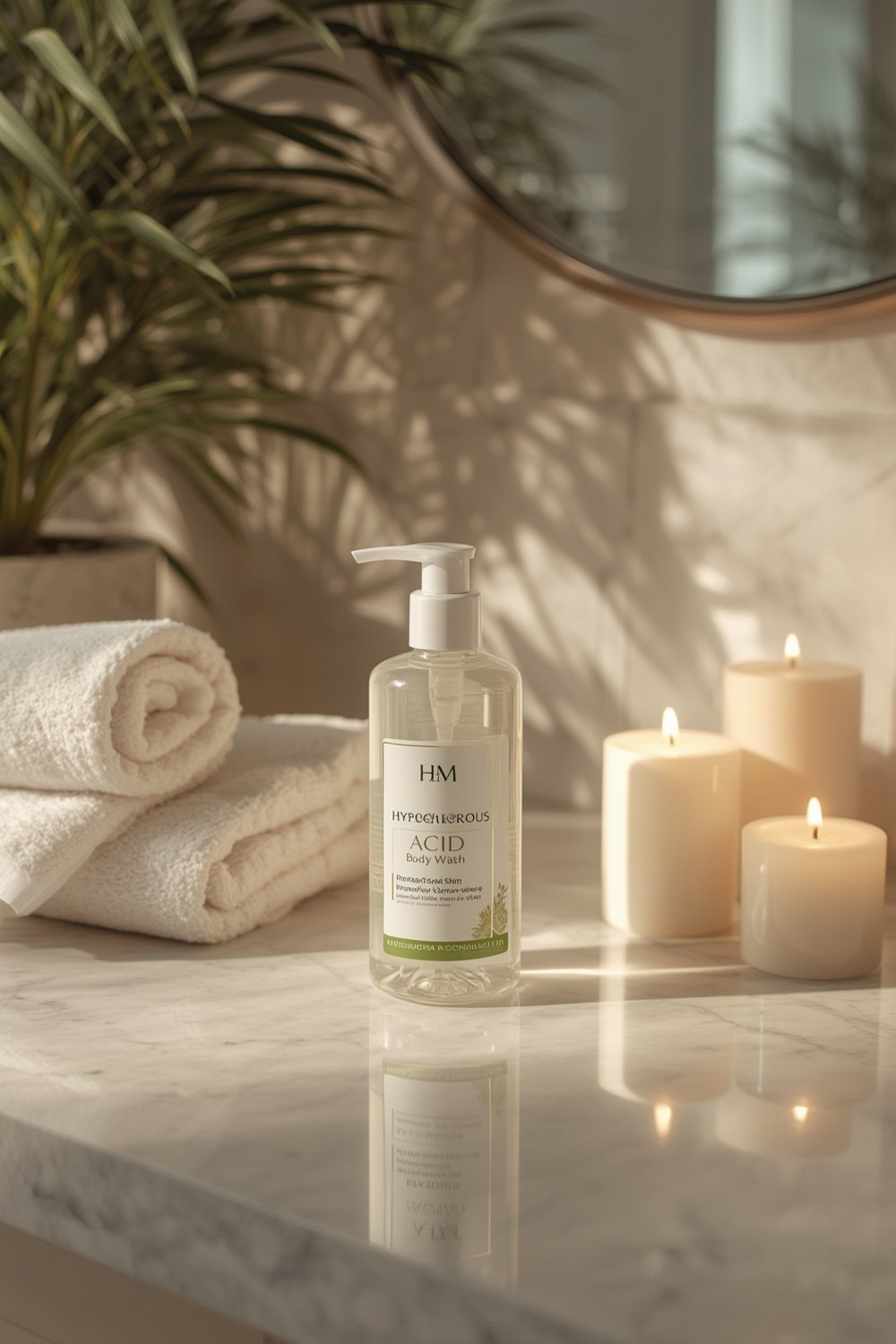
For those with sensitive or eczema-prone skin, hypochlorous acid body wash works differently than typical antibacterial cleansers. It calms inflammation, soothes itching (pruritus), reduces redness, and supports wound healing—all with a low risk for stinging or over-drying. Studies—including a pediatric eczema trial—report significant drops in bacteria counts and visible improvements in skin irritation and itch scores versus water alone.
Read the full clinical summary here.
Some benefits of this type of body wash include:
- Safe for sensitive, eczema, rosacea, and acne-prone skin
- Reduces flare-ups by fighting common pathogens
- No steroids, harsh detergents, or fragrance needed
But the lack of critical reviews or long-term user data makes it important to read labels and experiment cautiously. If you’re curious how to work it into your routine, read on.
How to Use Hypochlorous Acid Body Wash: Actionable Steps
Ready to make the switch? Here’s how to get the most benefit out of hypochlorous acid body wash, with tips for sensitive or eczema-prone skin.
- Start Simple: Replace your antibacterial or fragrance-heavy body wash with a hypochlorous acid body wash. For severe eczema, alternate every other shower until your skin adjusts.
- Gentle Application: Use lukewarm (never hot) water. Foam the cleanser in your hands, not a loofah, and gently smooth over skin. Do not vigorously rub affected areas.
- Dwell Time Matters: Let the body wash sit for at least 1–2 minutes on problem-prone skin (like body acne, eczema patches, or underarms) before rinsing. This boosts its efficacy.
- Rinse Thoroughly: Remove all traces of cleanser to avoid residue or dryness.
- Pat Dry: Immediately follow with a ceramide-rich, fragrance-free body moisturizer. For guideline on barrier repair, check out this body skin barrier repair routine.
- Monitor & Adjust: If you notice persistent dryness or redness, scale back to once daily or as a targeted treatment. Adjust as needed for your skin’s tolerance.
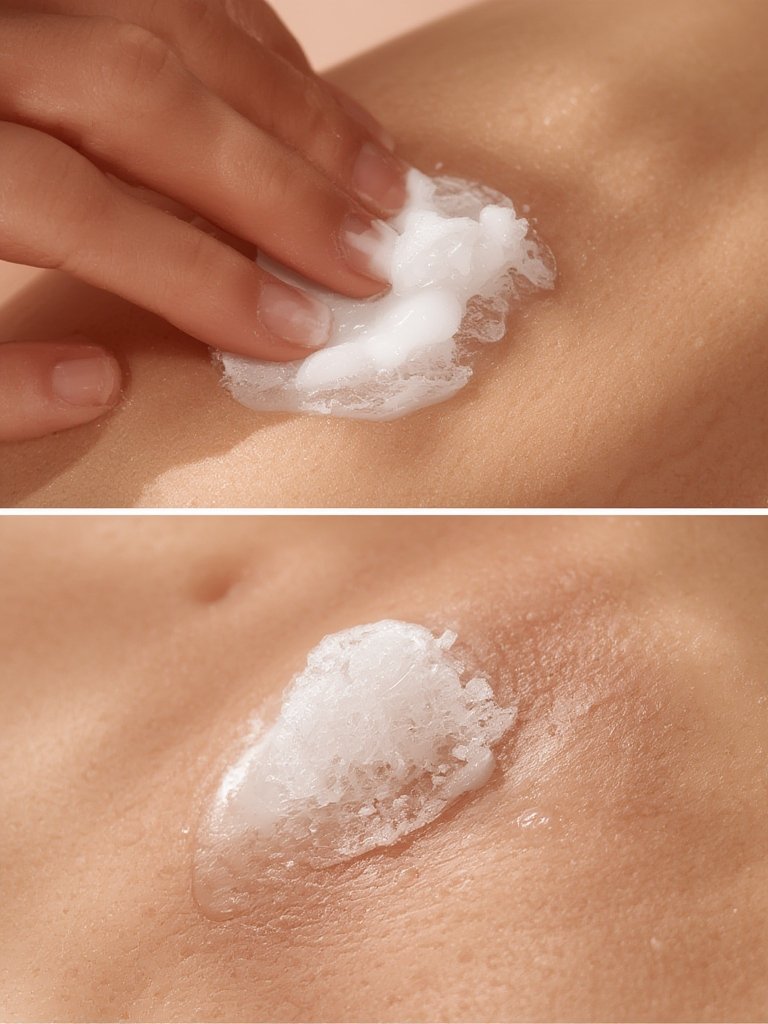
- After an intense workout or for active acne, consider a double cleanse: use your usual mild wash first, then the hypochlorous acid body wash on high-risk areas. This helps clear sweat, oil, and microbes efficiently. For more sports skin tips, this resource explains the science behind post-exercise skin care.
Want to strengthen your skin further? Integrate barrier-supporting steps like ceramic moisturizers or gentle exfoliation. Our skin cycling routine guide details how to rotate actives with minimal irritation.
If your scalp is sensitive or flaky, hypochlorous acid cleansers can also help—but use non-medicated formulas. Learn more about scalp care in the scalp skin barrier guide.
For stubborn dryness or eczema patches, combine hypochlorous acid with a high-quality barrier repair moisturizer or niacinamide body lotion for added skin integrity.
Advanced Analysis & Common Pitfalls
The clinical data on hypochlorous acid body wash paints a promising picture, but it’s not the perfect answer for every user or every budget. Here’s what current top-ranking articles overlook, and what the evidence (or lack thereof) really means:
- Consumer feedback gaps: Most articles and studies report benefits only—very little is known about real-world negative reactions, adverse effects, or long-term use in ultra-sensitive individuals.
- Price transparency: Direct price comparisons with classic antibacterial or sensitive-skin body washes are not addressed, so you may pay a premium for HOCl washes.
- Limited head-to-head data: While hypochlorous acid outperforms traditional detergents in microbiological tests, there are no clinical “face-offs” comparing its effect on body breakouts post-workout versus benzoyl peroxide, chlorhexidine, or basic soap washes.
- No long-term studies: There are no official market growth figures or large-scale safety data covering many years of regular HOCl use.
| Feature | Hypochlorous Acid Body Wash | Traditional Antibacterial Wash |
|---|---|---|
| Antimicrobial Efficacy | 99.9% kill in 5 minutes – proven against MRSA, P. aeruginosa, fungi | High (benzoyl peroxide, chlorhexidine), but can be irritating |
| Skin Sensitivity | Safe for eczema, minimal barrier disruption | Often causes dryness, irritation, or burning |
| Preserves Microbiome? | Yes (minimal disruption) | No (broad-spectrum disruptions common) |
| Reported Complaints | No published negative reviews | Frequent sensitivity complaints |
| Price Data | Not widely available; often higher | Many affordable options |
For reference, the antimicrobial and anti-inflammatory science is well-backed (see Cleveland Clinic), but direct consumer reports and formal pricing transparency are rarely published.
- HOCl body washes usually avoid harsh fragrances and steroids-useful for sensitive routines.
- No solution is universally perfect: Some users might not tolerate the base formula or added inactive ingredients (test carefully).
- Long-term effects are unknown; rotate with standard, gentle cleansers for optimal barrier health-learn how to do this in a skin cycling routine.
Conclusion
Hypochlorous acid body wash brings together clinical-grade antimicrobial power with a remarkably gentle touch, fitting into routines for sensitive, eczema, and acne-prone skin. While strong studies back its benefits and safety, a lack of pricing data and published consumer complaints means buyers must stay alert to individual sensitivities. If you’re seeking a new, science-backed way to fight irritation and support whole-body skin health, hypochlorous acid body wash is worth a careful trial—just make sure to patch test and combine with smart moisturization for best results.
Looking for more proven skin barrier strategies or want expert guides for complete routines? Check out our recommendations on barrier repair moisturizers and niacinamide body lotion. Try the skin cycling or body skin barrier guides to round out your healthy skin plan.
Ready to take the next step? Add hypochlorous acid body wash to your shower routine and experience the difference yourself.
FAQ
Is hypochlorous acid body wash safe for daily use on sensitive skin?
Yes, stabilized hypochlorous acid is generally considered safe for daily use, even on eczema and sensitive skin. Always patch test first and monitor your skin’s response.
Can hypochlorous acid body wash help with body acne or post-workout breakouts?
Studies show hypochlorous acid kills acne-causing bacteria and can reduce post-sweat breakouts. However, there are no published head-to-head studies versus benzoyl peroxide or other traditional treatments.
Does hypochlorous acid damage the skin barrier or microbiome?
No, clinical data suggests it preserves the skin barrier and does not disrupt the healthy skin microbiome. For added protection, follow with a barrier repair moisturizer.
Is there any published evidence of side effects or common complaints?
As of now, published reviews and trials report few to no consumer complaints about hypochlorous acid body wash. Real-world data is limited, so always monitor your own results.
What should I pair with hypochlorous acid body wash for best results?
Combine it with a ceramide-rich or niacinamide body moisturizer to support lasting hydration and barrier repair. If you want to learn layering strategies, try a skin cycling routine.