

How to repair dry damaged hair fast is one of the most common questions people ask after one too many dye jobs, days in the sun, or heat styling. There’s no magic fix, but the right strategies can deliver smoother, softer hair—sometimes after just one treatment. This guide explains what actually works, what to skip, and how to make rapid results last.
Key Takeaways
- The quickest visible repair comes from film-formers and oils that smooth, hydrate, and fill in the cuticle surface—structural repair takes weeks or longer.
- Combining pre-wash oiling, deep conditioners, and friction management will outperform just slathering on more products.
- Routine trims and pH management keep results from vanishing and prevent new splits.
- 1. The Core Concept: How Dry Hair Repair Actually Works (and Why Quick Fixes Aren’t Permanent)
- 2. Step-by-Step Guide: How to Repair Dry Damaged Hair Fast
- 3. Advanced Analysis & Common Pitfalls
- 4. Conclusion
- 5. FAQ
The Core Concept: How Dry Hair Repair Actually Works (and Why Quick Fixes Aren’t Permanent)
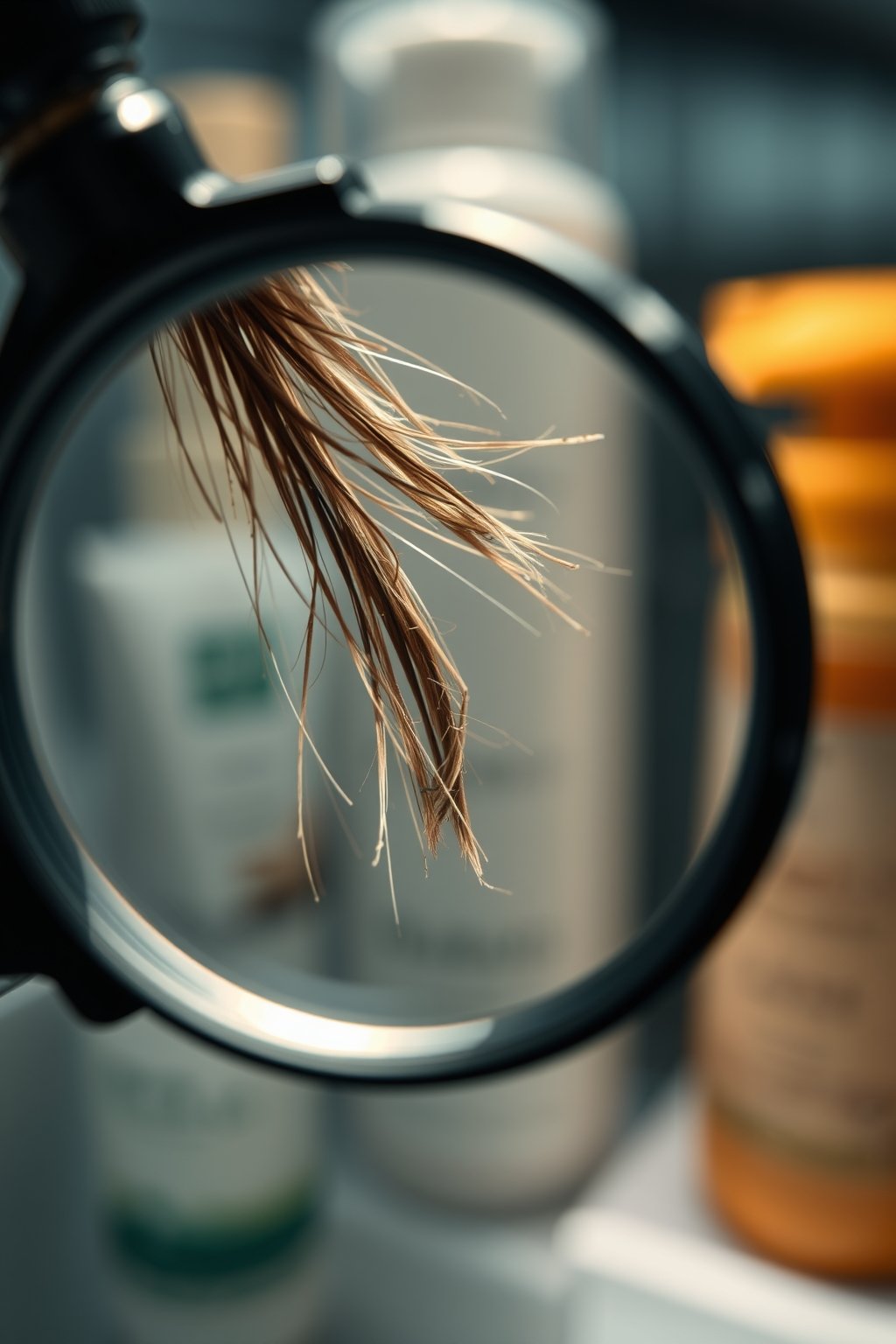
Instant “repair” products for dry damaged hair mostly work by quickly smoothing the hair surface, filling cuticle gaps, and trapping moisture. Ingredients like hydrolyzed proteins, coconut oil, and certain silicones coat or penetrate the strand to make hair look and feel healthier. These fixes boost gloss, reduce frizz, and lessen breakage within days—sometimes after just one wash. However, they do not heal split ends or reverse chemical or heat damage at the protein structure level. The best routines combine these actives with smart prevention and maintenance, extending how long hair stays soft and strong between trims and treatments.
Step-by-Step Guide: How to Repair Dry Damaged Hair Fast
- Start with a Pre-Wash Oil Treatment: Before shampooing, apply coconut oil (or olive/sunflower oil) to mid-lengths and ends. Leave on 20–60 minutes. This fills porous areas and reduces protein loss during washing (source). For in-depth tips, check our practical oiling guide.
- Wash Gently and Rinse with Lukewarm Water: Use a sulfate-free shampoo. Hot water lifts the cuticle, worsening roughness. Focus shampoo on your scalp; let suds gently cleanse the lengths when rinsing. Explore more on managing scalp comfort with our scalp barrier repair guide.
- Apply a Protein-Infused Repair Mask: Right after washing, squeeze out excess water and add a mask with hydrolyzed keratin, silk, or plant proteins. Leave in 5–30 minutes. This step “fills” micro-damage and boosts strength and shine quickly (source). Use once a week for best results—our protein mask guide explains how to cycle this with moisturizing masks.
- Seal with a Deep Conditioner or Leave-In: After rinsing the mask, follow with a hydrating conditioner or leave-in containing panthenol, glycerin, or polyquats. These coat and soften each strand, locking in the earlier repair. Wondering how to pick a leave-in? Get insights in our leave-in conditioner guide.
- Minimize Friction and Stretching: Use a microfiber towel, air-dry where possible, and sleep on a silk pillowcase. Ditch tight elastics for scrunchies. This reduces cuticle wear and helps your repair last longer (see more here).
- Spot-Treat Split Ends and Rebellious Frizz: Apply a lightweight serum containing amodimethicone or silicone alternatives to tips for instant smoothness. This does not cure splits but immediately improves their look.
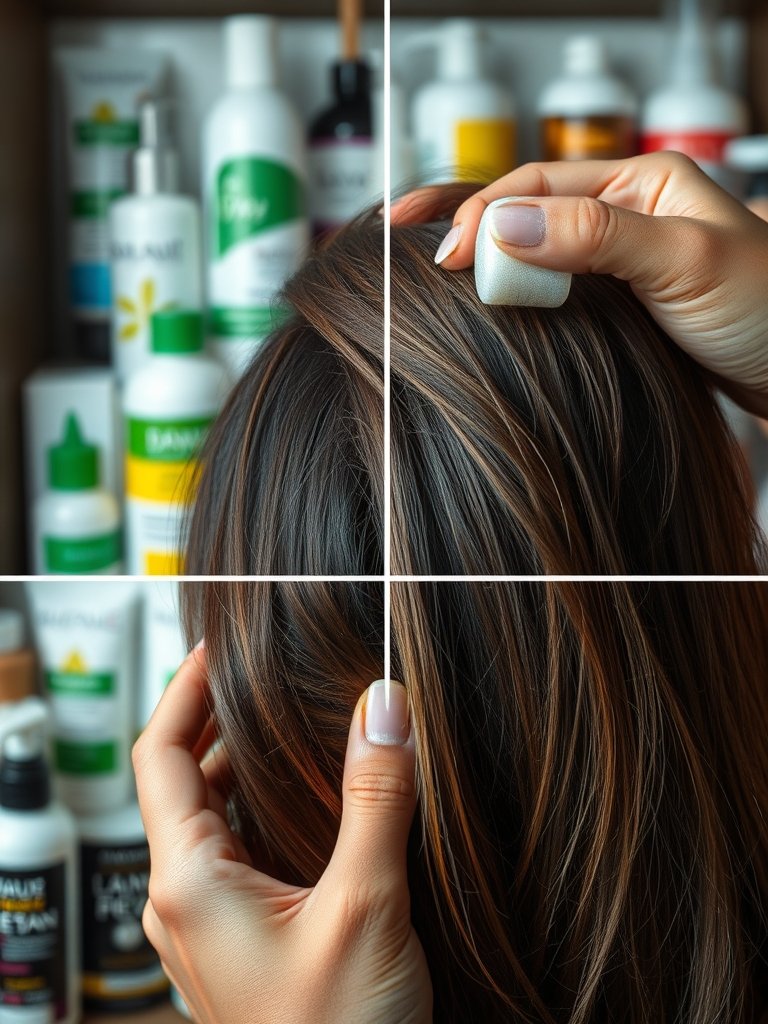
- Routine Maintenance and Prevention: Limit heat. Use a bond-building mask (plex) or protein/moisture treatments weekly. Trim every 2-3 months to remove old splits. For hydration, a basic drugstore conditioner plus periodic coconut oil masks often outperforms many luxury brands (see Healthline).
- Integrate a UV-protective leave-in or antioxidant serum if spending time outdoors or in polluted environments. Our body skin barrier guide explains similar strategies for your skin.
- For a truly cost-effective routine, the combination of consistent oil pre-treatments, budget conditioners, and careful friction management beats many pricey salon treatments (clinical support).
Advanced Analysis & Common Pitfalls
Most “rapid repair” routines fail for the same reasons: overpromising, improper product rotation, ingredient overload, and ignoring basic hair physics. See what to expect and how to fix (or avoid) the most common traps.
| Common Mistake | Why It Fails | Simple Solution |
|---|---|---|
| Using only heavy oils or silicones daily | Leads to buildup, limp feel, dullness, more breakage (esp. for fine hair) | Limit to a few times weekly, clarify monthly, use lightweight film-formers for fine hair |
| Skipping trims “because of repair masks” | Split ends never heal—old splits travel up the shaft making breakage worse | Trim tips every 2-3 months. Use repair to prolong time between cuts, not skip them |
| Overusing protein, neglecting moisture | Leads to stiff, brittle, “crunchy” hair that tangles and breaks when dry | Alternate protein and moisturizing masks; monitor hair’s feel and elasticity |
| Rough handling when wet | “Repaired” cuticle is vulnerable; friction destroys film and cuticle alignment | Pat dry, use soft towel, detangle with wide-tooth comb only |
| Using harsh or alkaline shampoos | Raises cuticle, undoes smoothing and hydration effects quickly | Stick to low-pH, sulfate-free cleansers; avoid DIY high-pH hacks |
| Expecting overnight miracles for deep structural damage | Superficial repairs are fast; deeper healing (cortex) needs weeks-plus of careful care | Use immediate repair for look/feel; commit to 2–8 weeks for true strength recovery |
Lastly, always check the ingredient list for possible irritants if you have a sensitive scalp. Rare but real: some people react to certain proteins, fragrance, or cationic polymers. Our scalp exfoliation guide covers more on soothing the scalp for healthier growth and less irritation.
Conclusion
Whether your hair is fried by bleach, sun, or styling, rapid results depend on intelligently layering cosmetic fixes with the right prevention habits. Oil pre-treatments, protein masks, and hydration—plus gentle detangling and routine trims—form the backbone of how to repair dry damaged hair fast. Start this routine today, stick to it, and you’ll be surprised how quickly hair regains softness and shine. Ready for stronger, smoother hair? Build your routine, track your results, and see what real “repair” feels like in your own mirror.
FAQ
What’s the single fastest way to make dry damaged hair look better?
Apply a deep conditioning mask or leave-in with proteins and oils, then seal ends with a silicone serum. This quickly smooths frizz and adds shine, but best results come from consistent care over days or weeks.
Which ingredient gives the quickest visible improvements?
Silicones (such as amodimethicone) and hydrolyzed proteins provide immediate slip, smoothness, and gloss after one use. For real strengthening, combine with coconut oil and regular trims.
Can split ends really be repaired?
No product truly mends a split end. Most formulas bond the frayed pieces temporarily for smoother appearance, but only cutting removes splits permanently.
Is coconut oil actually better than expensive masks?
For reducing protein loss and roughness, coconut oil has strong clinical support—and is very budget-friendly. However, some prefer the feel or scent of more advanced masks, especially for styling or fine hair.
Will these methods help thinning hair, too?
The routine helps protect and strengthen dry, fragile hairs but won’t regrow lost hair. For support with thinning, see our hair thinning repair routine.