

Body lotion for dry skin is not just about comfort—it is essential for maintaining healthy, supple skin and preventing cracks, flaking, and discomfort. If you struggle with persistent dryness, using the right body lotion for dry skin (and applying it the right way) can make a dramatic difference to your skin health.
Key Takeaways
- Look for body lotions with humectants, emollients, and occlusives like glycerin, hyaluronic acid, shea butter, ceramides, and urea for effective hydration of dry skin.
- Apply lotion to damp skin and layer with occlusives to lock in moisture for longer-lasting relief.
- Avoid drying ingredients like sodium lauryl sulfate (SLS) and opt for gentle formulas, especially if skin is cracked or sensitive.
- Why Dry Skin Needs a Special Body Lotion
- Step-By-Step Guide to Using Body Lotion for Dry Skin
- Common Pitfalls, Ingredient Myths, and Realistic Challenges
- Conclusion
- Frequently Asked Questions
Why Dry Skin Needs a Special Body Lotion
Dry skin is not just a cosmetic concern—it signals a compromised skin barrier that can lead to irritation, redness, or even painful cracks. Ordinary lotions might feel good at first but often fail to offer deep, lasting hydration. That’s why selecting a product packed with proven ingredients matters—these go beyond surface softness, rebuilding your skin’s ability to retain water and defend against daily stressors.
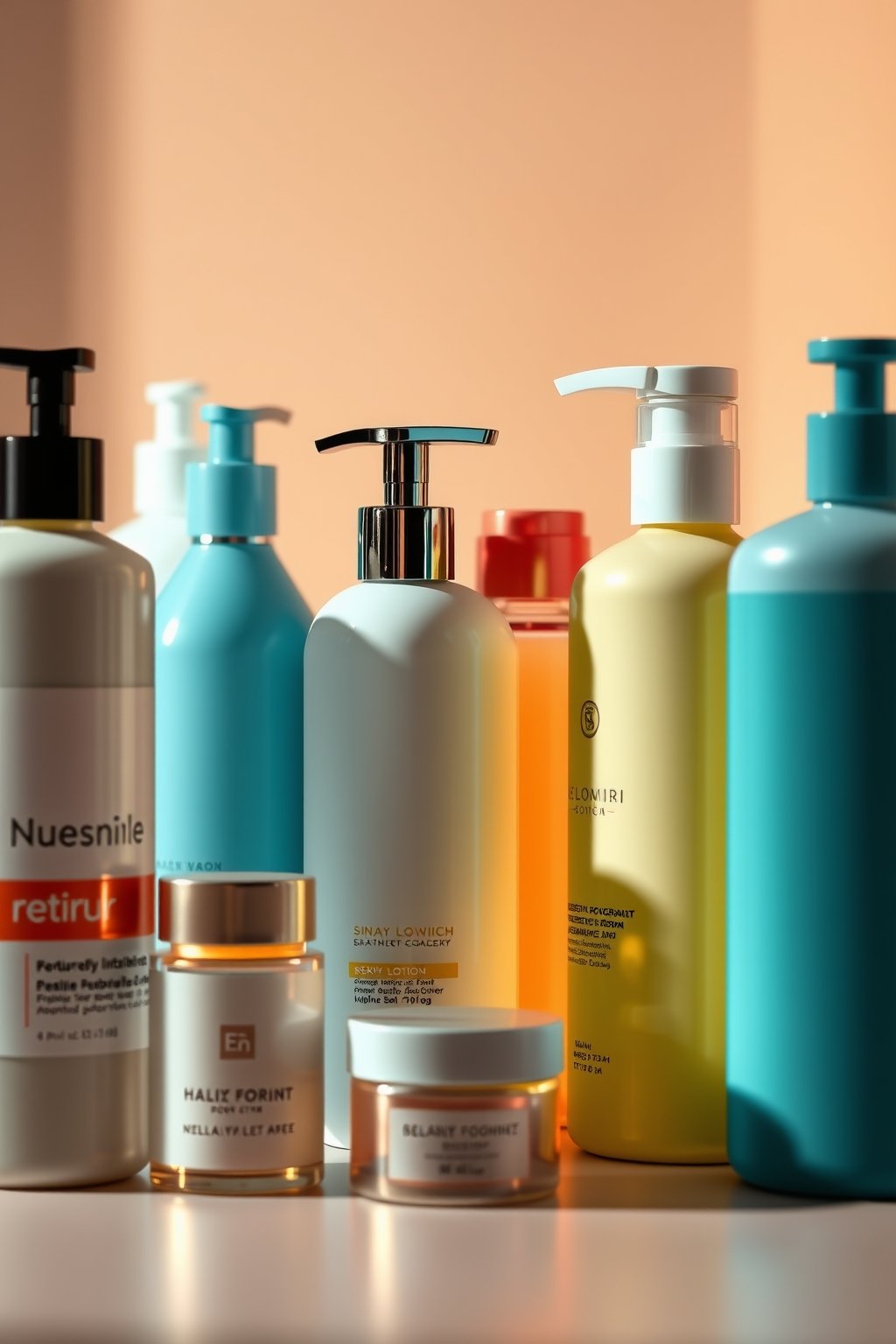
The most effective body lotion for dry skin features a specific blend of ingredients:
- Glycerin: A gold-standard humectant that draws moisture deep into the skin.
- Hyaluronic acid: Holds up to 1,000x its weight in water for fast and lasting plumping.
- Urea (2-10%): Gently hydrates, softens, and exfoliates flakes.
- Shea butter: Nourishes with fatty acids and helps repair stressed skin.
- Ceramides: Restore your skin’s barrier to prevent moisture loss.
- Niacinamide: Soothes irritation and improves elasticity.
- Squalane: A skin-identical emollient for non-greasy softness.
- Dimethicone: Provides a breathable barrier to lock in hydration without heaviness.
This combination tackles both the underlying cause (barrier weakness) and immediate symptoms (tightness and roughness). For a comprehensive breakdown of how skin barrier repair fits in, see our guide on repairing your body’s skin barrier.
Step-By-Step Guide to Using Body Lotion for Dry Skin
Applying body lotion effectively is as important as choosing the right formula. Follow these steps for best results:
- Cleanse gently. Use a mild, fragrance-free body wash (never SLS-based) to avoid stripping the skin.
- Pat skin dry, leaving it slightly damp. Water on your skin boosts humectant absorption and overall hydration.
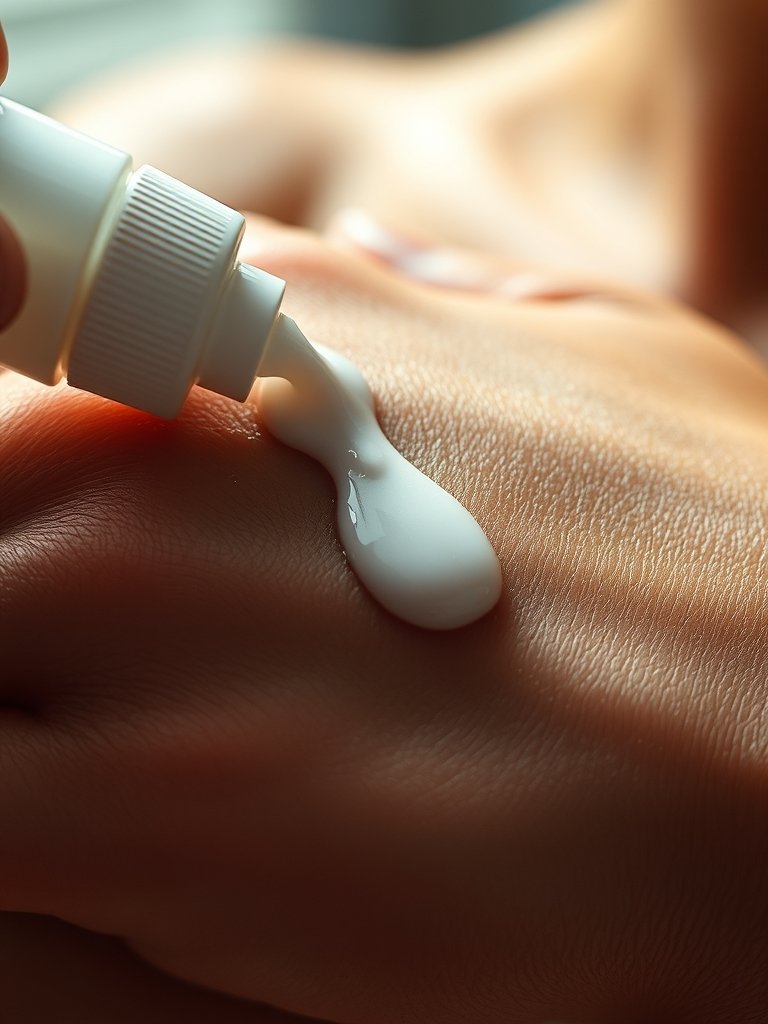
- Apply body lotion for dry skin immediately. Use a generous amount and massage gently in upward strokes. Pay special attention to elbows, knees, shins, and any areas that feel rough or cracked.
- Layer with an occlusive if needed. If your skin is extremely dry or you’re in a harsh climate, seal everything in with a thin layer of petroleum jelly or a balm over your lotion at night.
- Repeat as needed. For chronic dryness, twice-daily application can rebuild your barrier faster.
If you are new to layering skincare or optimizing hydration, see our article on glass skin routines and hydration layering.
Want to customize your entire body care approach? Explore skin cycling routines for night and day, or learn about barrier repair moisturizers for sensitive skin.
Common Pitfalls, Ingredient Myths, and Realistic Challenges
Not every body lotion marketed for dry skin delivers on its promises. Here are key pitfalls and how to avoid them:
- Using lotions with drying ingredients. Even popular lotions might contain SLS, SLES, or excessive alcohol, which strip natural oils and worsen dryness.
- Overusing exfoliating acids. While alpha hydroxy acids (AHAs) gently smooth flaky skin, too much can disrupt your barrier.
- Applying humectants to dry skin. Ingredients like hyaluronic acid can actually increase dehydration if used on fully dry skin without any occlusive layer.
- Assuming more is always better. Over-layering or using thick balms every day can clog pores for some users.
| Mistake | Result | How to Fix |
|---|---|---|
| Using SLS/SLES in cleansers or lotions | Increased irritation and loss of natural oils | Switch to sulfate-free products |
| Applying lotion to dry skin | Humectants pull moisture from skin, not air | Apply to damp skin and layer with occlusives |
| Using urea on broken skin | Stinging or irritation | Use urea only on intact skin, avoid open wounds |
| Relying on thick occlusives alone | Skin feels greasy but not hydrated | Combine humectants, emollients, and occlusives for best results |
There are also common misconceptions:
- “Urea is too strong for dry skin”: It is safe at concentrations of 5-10% and provides gentle hydration and exfoliation unless your skin is broken or highly sensitive.
- “Processed shea butter is as effective as raw”: Raw shea butter retains more nutrients and offers superior barrier support.
- “A heavy balm alone will fix dryness”: Without the right blend of humectants and emollients, balms can actually trap in dryness or clog pores.
- “Niacinamide is only for oily skin”: It is also valuable for reducing redness and restoring elasticity in dry and sensitive skin types. See our separate review of niacinamide body lotions.
If you notice stubborn patches or your routine is not working, sometimes the underlying issue is a disrupted skin barrier. Read our comprehensive troubleshooting guide at choosing the right barrier repair moisturizer for more help.
Conclusion
Choosing and correctly applying the best body lotion for dry skin means focusing on barrier-supporting ingredients, good timing, and layering techniques. The right steps can give even the driest skin immediate relief and long-term strength. Start with products rich in glycerin, shea butter, ceramides, hyaluronic acid, and avoid harsh detergents or fragrances.
Ready to transform your daily routine? Choose a body lotion for dry skin that focuses on both relief and barrier repair. Your skin will thank you. Learn even more about protecting your body’s barrier in our body skin barrier repair guide.
Frequently Asked Questions
What ingredients should I avoid in a body lotion for dry skin?
Avoid lotions containing sodium lauryl sulfate (SLS), sodium laureth sulfate (SLES), excessive alcohol, and strong artificial fragrances. These can cause further dryness, irritation, or even allergic reactions in some cases.
How often should I apply body lotion for dry skin?
For optimal hydration, apply twice daily, especially after showering or washing hands. In cold or dry climates, reapply whenever skin feels tight or itchy.
Can I use the same body lotion for dry skin on my face?
Most body lotions are too rich for facial skin, which is thinner and more sensitive. Look for a face-specific product with similar barrier-supporting ingredients if needed.
Is it necessary to use an occlusive layer after lotion?
For severely dry or cracked skin, layering an occlusive (such as petrolatum or a heavy balm) on top of your lotion at night can lock in moisture and help heal compromised areas.
Are natural or organic body lotions better for dry skin?
Not always. What matters most are the active ingredients—humectants, emollients, and occlusives—not merely if a product is labeled “natural.” Some natural oils can even be irritating to sensitive skin types. Always patch test new products.