

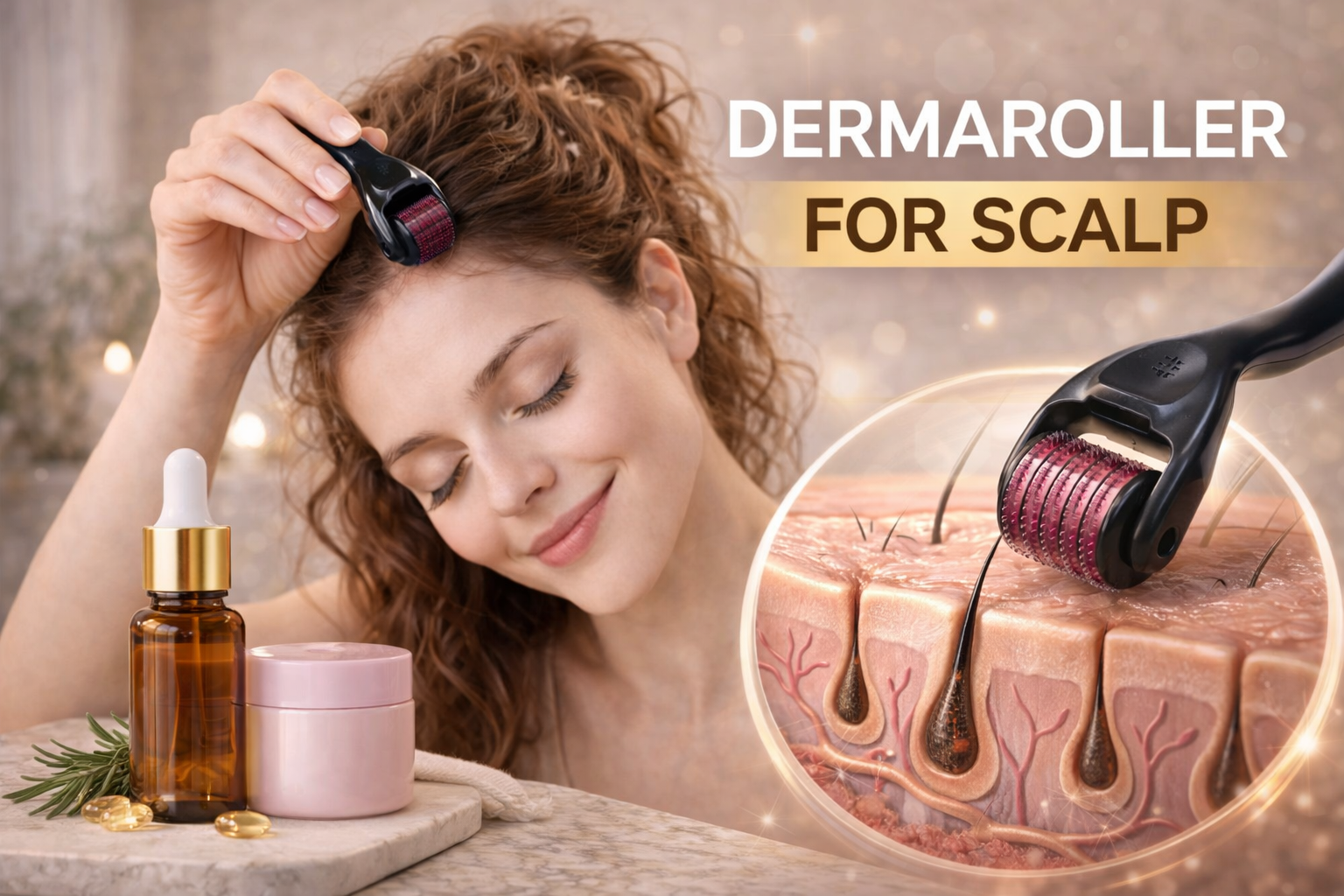
Dermaroller for scalp is one of the most practical, research-driven methods for people seeking fuller hair and better scalp health at home. Backed by multiple 2024 clinical studies, this approach uses tiny needles to jumpstart regrowth, allowing users to boost topical absorption and results with relatively little investment.
Key Takeaways
- Using a dermaroller for scalp with short needles (0.5–0.75 mm) is clinically proven to boost hair regrowth, especially when paired with minoxidil.
- At-home scalp microneedling can be cost-effective and safe with strict hygiene and the right technique—professional options go deeper but aren’t always necessary.
- Common pitfalls include using needles that are too long, poor sanitation, or inconsistent technique—simple routines with clean tools work best.
- What Is Dermaroller for Scalp—and Why Try It?
- How to Use a Dermaroller for Scalp: Step-by-Step
- Advanced Analysis and Common Pitfalls
- Conclusion
- FAQ
What Is Dermaroller for Scalp—and Why Try It?
Scalp microneedling—often done with a dermaroller—is the process of gently rolling tiny needles over the scalp. The mild controlled injury signals the skin to repair and stimulates dormant follicles, enhancing both regrowth and topical absorption from treatments like minoxidil and serums. Research from 2024 shows using a dermaroller plus minoxidil triggers better results than minoxidil alone, especially with shorter needle sizes and a focused 12-week protocol (source).
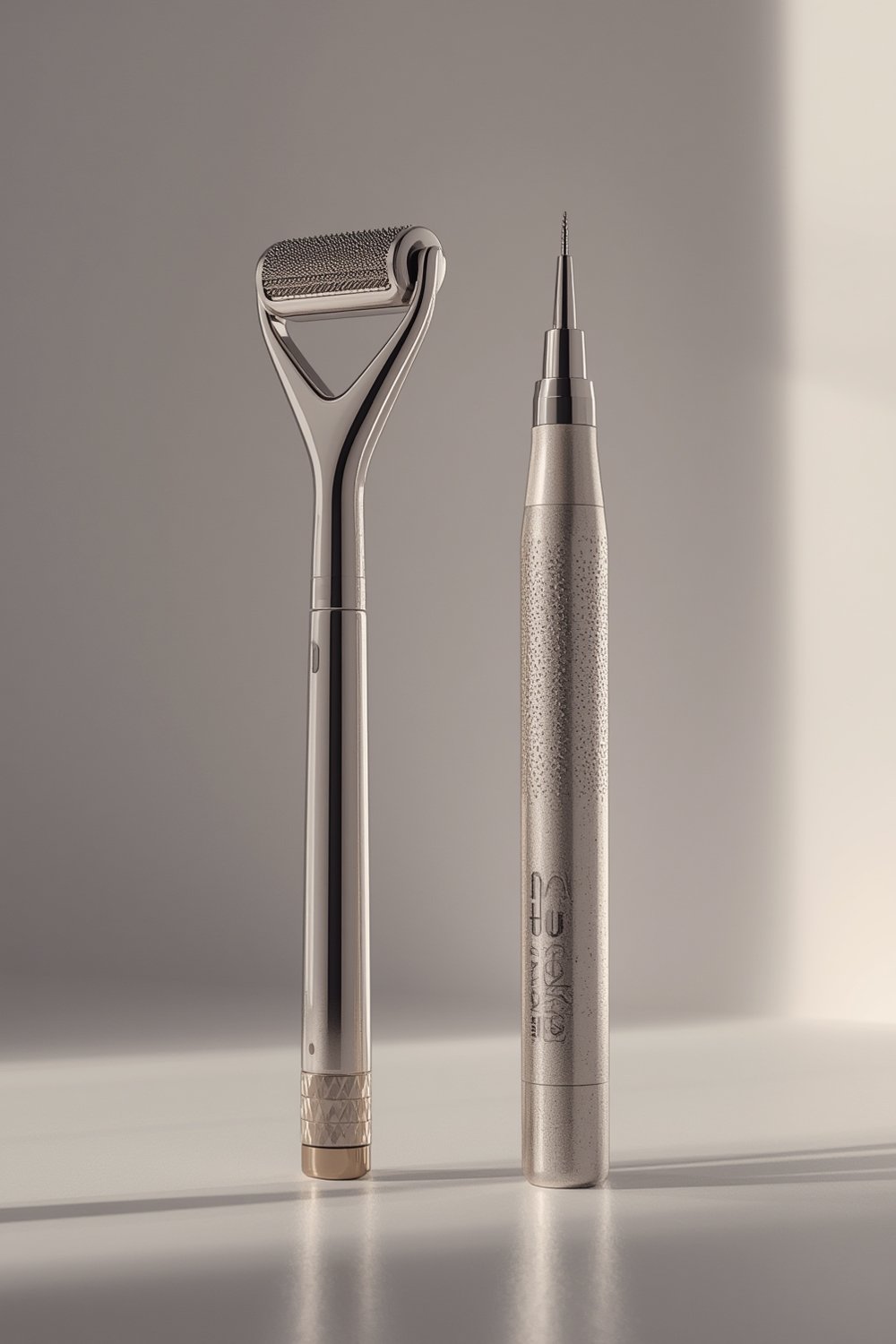
Unlike professional microneedling pens, the dermaroller is affordable, easy to use, and targets the scalp’s surface layers for improved absorption. Numerous trials now confirm: applying a dermaroller for scalp along with proper aftercare can increase both hair count and density. Shallower needles (<1 mm) are not only safer for self-use but actually produce greater improvements in recent studies (source).
For those struggling with thinning hair or looking to optimize their scalp health routines, this technique is one of the few at-home options to show robust, statistically significant results in 2024. If you’re already committed to a hair oiling routine or researching hair regrowth routines, dermarolling offers an actionable, scientifically grounded boost.
How to Use a Dermaroller for Scalp: Step-by-Step
-
Select the right dermaroller:
- Choose a device with 0.5–0.75 mm needle length. Avoid longer needles as they can increase pain and infection risk without added benefit (source).
-
Sanitize everything:
- Disinfect your dermaroller with 70%+ isopropyl alcohol before and after every use.
- Wash your hands, and ensure your scalp is clean, dry, and free of product residue.
-
Section your hair:
- Part your hair with clips for full access to thinning or target areas on your scalp.
-
Roll gently with a light touch:
- Run the dermaroller in straight lines over each area 6–8 times—vertical, horizontal, and diagonal. Lift gently between passes; don’t drag.
- Never use firm pressure—let the weight of the tool do the work. Proper technique gives more consistent results and less discomfort.
-
Sterilize and protect:
- Immediately soak the roller in alcohol after finishing. Don’t skip this step—dirty tools increase infection risk.
- Let both your scalp and tool air dry before storage.
-
Apply topicals for maximum benefit:
- Within 5–10 minutes, apply minoxidil or a clinically backed hair density serum. Microneedling can boost penetration of actives up to 80-fold.
-
Maintenance routine:
- Repeat treatment 1–2 times per week for 12 weeks. Don’t overdo frequency or intensity—studies show biweekly with shorter needles works best (source).
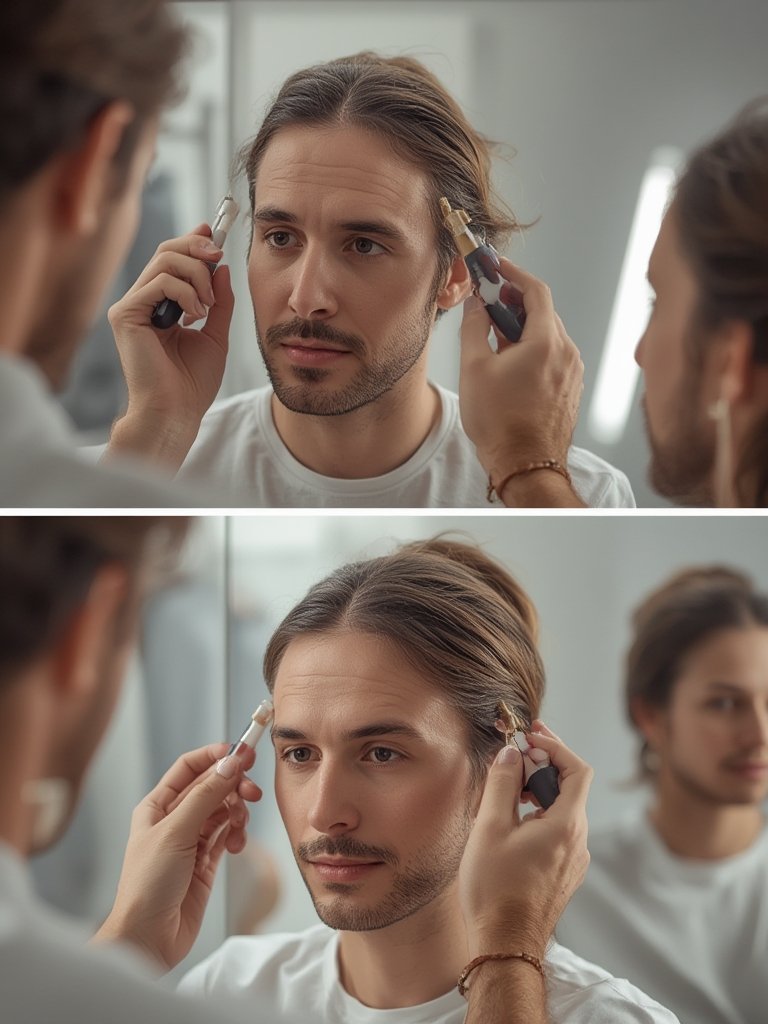
If you’re combining dermarolling with other routines, such as a weekly scalp exfoliation or scalp skin barrier restoration, always space those sessions several days apart to avoid irritation.
Want an extra technology boost? Some users alternate dermarolling cycles with red light therapy devices or low-level laser caps for additional stimulation—while evidence is still catching up, some find this layering approach more effective.
Advanced Analysis and Common Pitfalls
While the research is clear that dermaroller for scalp, when used with minoxidil, increases hair count and density, it’s easy to fall into common traps that reduce outcomes or even cause setbacks.
| Feature | Dermaroller | Microneedling Pen |
|---|---|---|
| Needle Insertion Style | Manual rolling, oblique angle. Penetration can vary; inconsistent if pressure is too light or too firm. | Automated, perpendicular entry. Depth always matches chosen needle length. |
| Best Needle Size for Home Use | 0.5–0.75 mm proven safest and most effective (source). | Same lengths effective, but more even penetration; pens slightly outperform rollers, but not significantly (source). |
| Common At-Home Problems |
|
|
| Best Application |
|
|
| Cost for At-Home Use | Low (roller tools are inexpensive and widely available) | Substantially higher (microneedling pens may cost 10x more) |
Top user complaints in published reports aren’t common, but inferred issues include:
- Redness, transient soreness, or irritation—usually from pressing too hard or poor technique
- Skin infection from improper tool cleaning—always sterilize thoroughly
- No change in hair thickness despite increased count—combine with quality serums or hair repair routines
It’s worth noting that dermarollers mostly impact outer scalp layers, maximizing topical entry. Results from needles over 1 mm are not better and may harm the scalp (source). Sessions longer than 12 weeks can plateau—if you haven’t seen benefits by then, consider pausing or consulting a professional.
Conclusion
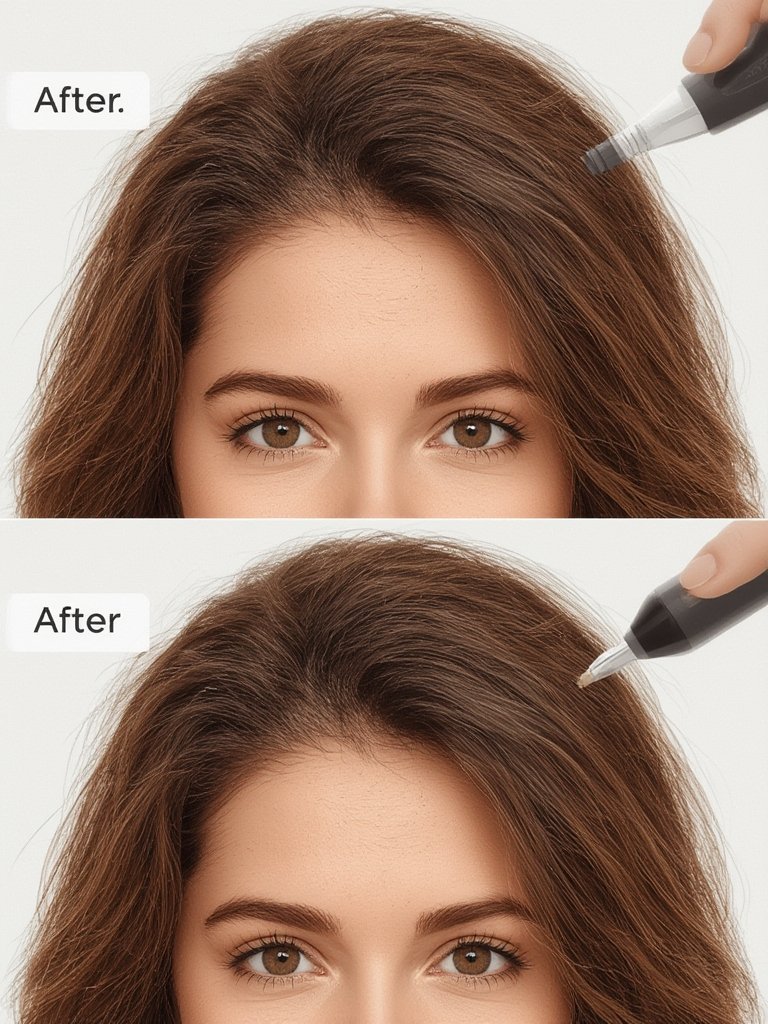
There’s compelling evidence that a dermaroller for scalp—used with proper technique, the right needle length, and good hygiene—can serve as a practical solution for anyone facing thinning hair or a weak scalp barrier. Compared to expensive pens or in-office treatments, it strikes an ideal balance between safety, cost, and real-world results.
If you’re curious to see how the dermaroller for scalp could work for you, start with a 12-week plan, keep your technique clean and gentle, and pair it with an evidence-based topical for best results. Ready for better hair and real regrowth? Commit to your first session this week and track your progress alongside routines like skin cycling for a complete approach to self-care.
FAQ
Is dermarolling safe for sensitive or irritated scalps?
No, you should avoid microneedling if your scalp is irritated, infected, or has open sores. Wait until your skin is fully healed and healthy before starting the routine.
Does dermarolling for scalp hurt?
With a short needle (0.5–0.75 mm), most people experience only minor discomfort—slight stinging or tingling. Deeper needles (over 1 mm) should not be used at home as they are more painful and risky.
How soon can I expect results from scalp dermarolling?
Studies show results are typically visible after 12 weeks when combined with minoxidil. You may see reduced shedding or baby hairs earlier, but patience is key.
Can I use a dermaroller and topical hair growth products on the same day?
Yes—this is actually recommended. Apply minoxidil or a hair growth serum within 10 minutes after dermarolling for maximum absorption.
How often should I replace my dermaroller?
Every 2–3 months, or sooner if needles become bent, dull, or discolored.