

Best body care products for smooth skin are not just a luxury—they’re essential for maintaining hydration, softness, and resilience, especially if you struggle with dryness, dullness, or rough texture. Choosing the right formulas and understanding what truly works will help you achieve noticeably smoother skin without wasted time or irritation.
Key Takeaways
- Focus on clinically proven ingredients like hyaluronic acid, glycerin, shea butter, and plant oils to deeply hydrate and repair your skin barrier.
- A streamlined, layered approach—hydration, sealing, and barrier protection—yields the smoothest, most radiant results over time.
- Ignoring gentle exfoliation or layering on damp skin are common mistakes that can block your progress and limit visible improvements.
- Understanding Smooth Skin: What Matters
- Step-by-Step Guide to Smoother Skin
- Advanced Analysis & Common Pitfalls
- Conclusion
- FAQ
Understanding Smooth Skin: What Matters
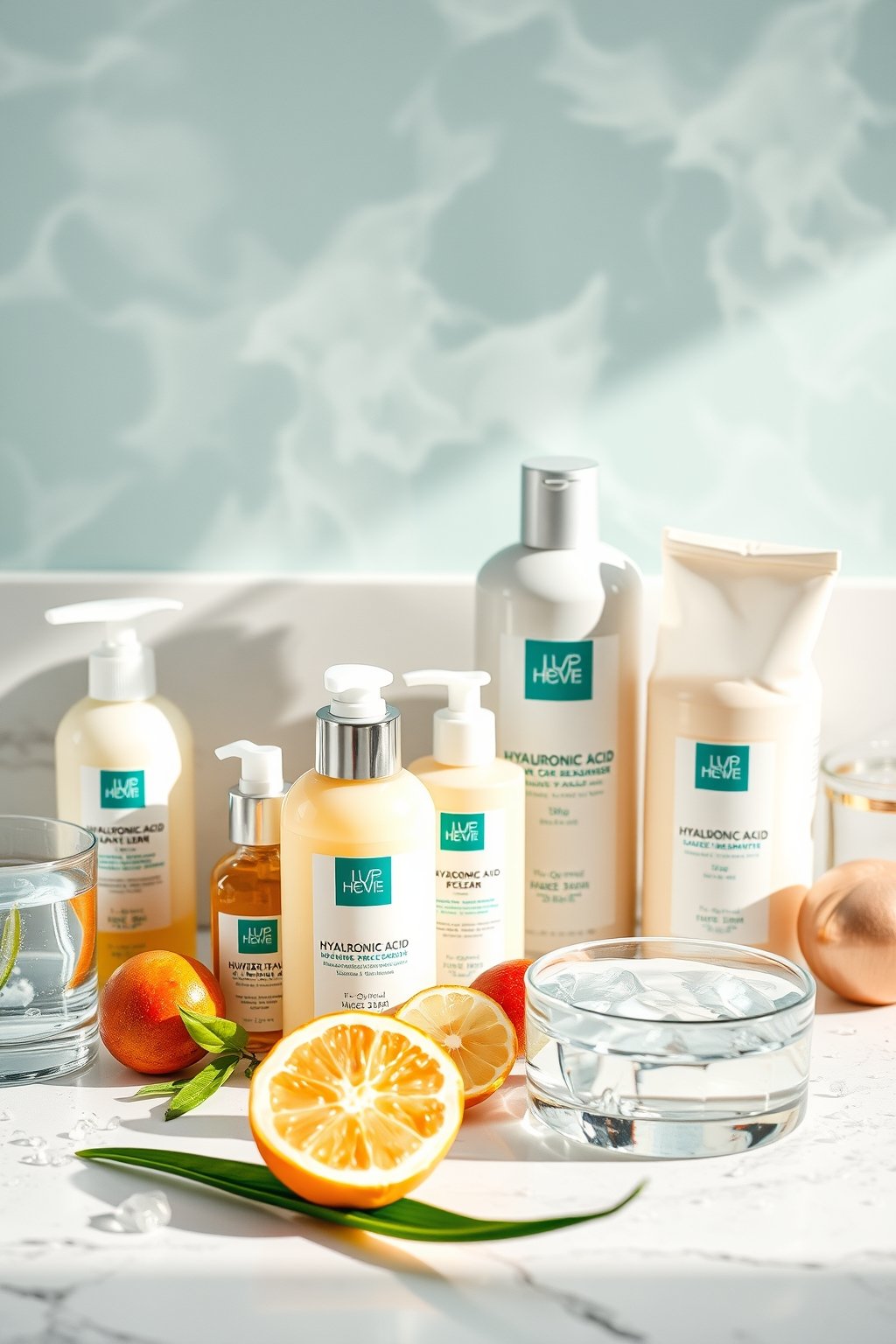
Smooth skin isn’t just about what you see on the surface. It comes from a consistent routine, using the best body care products for smooth skin, and paying attention to your skin barrier’s health. Dermatological research highlights certain star ingredients—such as hyaluronic acid, glycerin, shea butter, and plant oils—for their proven ability to hydrate, repair, and protect the skin barrier. When used right, these ingredients transform dry, rough patches into velvety softness that lasts. Botanical extracts like aloe vera and antioxidants such as vitamin E also play supportive roles. But true results depend not only on ingredients, but how you layer, lock in, and tailor product application to your needs.
Step-by-Step Guide to Smoother Skin
Ready for results? Follow these steps to build a fail-proof body care routine that delivers real smoothness—not just a fleeting illusion. Each step targets a specific need that, when overlooked, can sabotage your long-term progress.
-
Cleanse with the right formula: Skip harsh traditional soaps that strip the skin—opt for a non-comedogenic, hydrating body wash or a gentle exfoliating cleanser like those with salicylic acid for smoother texture.
Learn how to choose a hydrating body wash. - Layer in hydration: Use a body serum, mist, or lightweight lotion loaded with hyaluronic acid or glycerin while skin is damp. This foundation step increases plumpness, elasticity, and softness by drawing in and holding moisture.
- Seal with nourishing emollients: After hydrating, apply a richer body lotion or cream containing shea butter, squalane, or plant oils like grapeseed, sweet almond, or jojoba. These act as a seal to prevent water loss and deliver essential fatty acids and vitamins.
-
Target barrier repair ingredients: Weekly or as needed, add a ceramide-rich product or urea-based cream on compromised areas. These potent actives aid in skin recovery and increase long-term suppleness.
Read more about barrier repair moisturizers. -
Don’t skip exfoliation: Use chemical exfoliation (such as a gentle body serum with lactic or salicylic acid) 1-2 times a week to slough off dead skin and boost glow. Avoid over-scrubbing—think “resurfacing,” not “stripping.”
For expert guidance, see this practical guide to skin cycling routines. -
Use body oils for glow and extra softness: After moisturizer, lock everything in with a body oil enriched with vitamin E or rosehip. Apply to damp skin for best results.
Learn how body barrier health and oils work together in the body skin barrier repair guide. -
Create a sustainable schedule: For ongoing results, stick to your routine, adjusting seasonally or with life changes. Don’t go overboard with actives or exfoliators to avoid sensitivity or rebound dryness.
You can also explore how to achieve a glass skin effect with consistent hydration and protection.
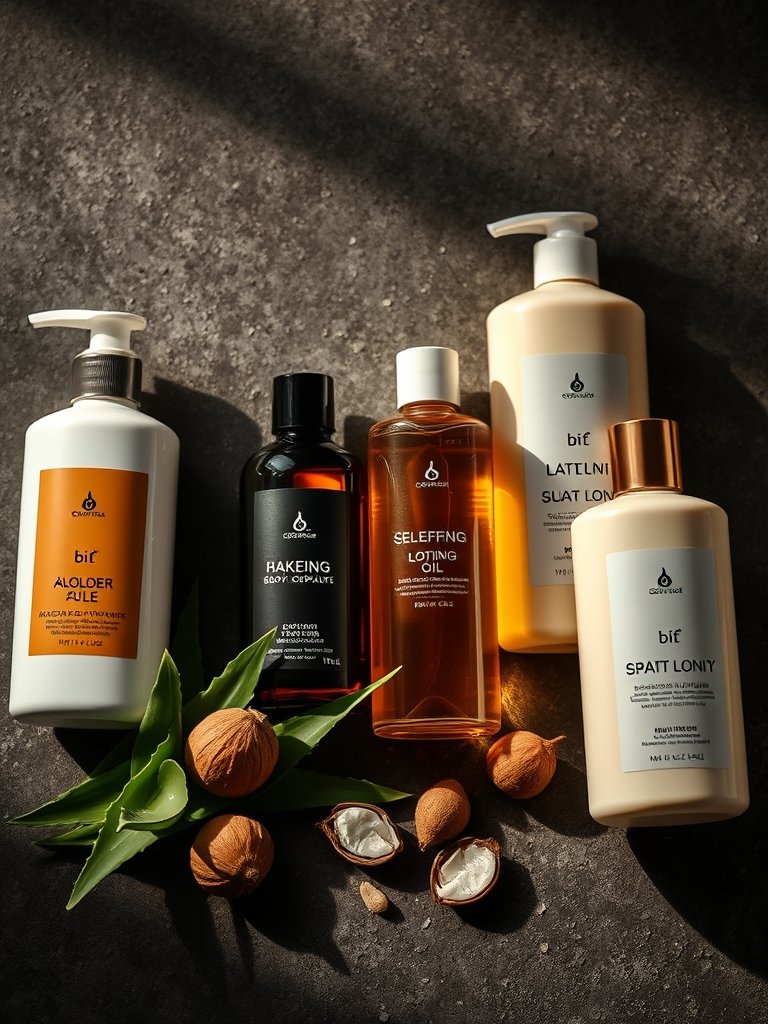
To personalize further, spot-treat persistent rough patches with a blend of beeswax and vitamin E or use a richer shea/cocoa butter overnight. For daytime, choose fast-absorbing creams like ceramide-based Cloud Ceramide or magnesium creams for elasticity without greasiness.
Advanced Analysis & Common Pitfalls
Even the most acclaimed body care products for smooth skin can fall short if applied without strategy. Here are some common pitfalls—plus an ingredient comparison to help you navigate the market more wisely.
- Skipping damp application: Most hydration ingredients, especially humectants like hyaluronic acid, work best when sealed in while skin is still moist. Applying products to dry skin reduces their effectiveness.
- Overdoing exfoliation: Exfoliating too often can strip the skin barrier, leaving you more prone to irritation or micro-cracking. Stick to once or twice weekly unless your skin is extra resilient.
- Neglecting barrier protection: Without a closing layer of oils, waxes, or rich creams, all the earlier hydration work can evaporate quickly—leading to ongoing dryness.
- Ignoring sensitive areas: Skipping rich creams on elbows, knees, and feet can leave you with patchy results even if the rest of your body improves.
| Product/Ingredient | Efficacy for Smoothness | Safety Profile | Absorption | Notes |
|---|---|---|---|---|
| Hyaluronic Acid | Excellent for deep hydration, plumps and softens texture | Very safe—even for sensitive skin | Rapid | Layer on damp skin for optimal benefit (source) |
| Glycerin | Long-term moisture retention, enhances suppleness | Gold standard for all skin types | Moderate | Works well as a base layer; non-irritating (source) |
| Shea Butter | Rich nourishment, powerful emollient, smooths dry patches | Safe, but heavy for acne-prone or oily skin | Slow | Best as overnight treatment or spot care |
| Plant Oils (Grapeseed, Jojoba, Squalane) | Restores elasticity, smooths, mimics skin’s natural lipids | Usually non-comedogenic (grapeseed for oily/combination) | Fast (especially squalane and jojoba) | Apply as final step; great for layering and glow |
| Ceramides | Repairs barrier, improves radiance and resilience | Excellent safety—essential for sensitive or compromised skin | Moderate | Use in targeted barrier-repair products or body creams |
| Urea (2-5%) | Softens rough patches, enhances hydration | Safe at low percentages (<5%) | Moderate | Spot-treat tough spots or super-dry areas |
There isn’t much actionable data about how products are priced or ranked for safety. However, favoring ingredients backed by research and starting with smaller quantities will help you spot potential irritation before committing to a single brand. If you’re overwhelmed, you can always prioritize best-in-class barrier products—see these body barrier repair steps for deeper tips.
Conclusion
Building your routine around the best body care products for smooth skin boils down to combining proven ingredients with layering strategies and barrier-friendly habits. Focus less on hype, more on the consistent use of hydrating, emollient, and barrier-repairing formulas—especially those containing hyaluronic acid, glycerin, shea butter, and lightweight plant oils. If you’re serious about unlocking lasting softness and visible radiance, take action today by auditing your shower and aftercare shelves, then retool your daily routine with scientifically-backed winners. Want more advanced methods for targeted results? Explore our skin cycling routine guide or at-home chemical peel tutorial.
FAQ
What ingredients should I focus on for the smoothest skin?
Hyaluronic acid, glycerin, shea butter, ceramides, plant oils like grapeseed or jojoba, and vitamin E are the top ingredients for hydrated, smooth skin. Use these in layered products for best results.
How often should I exfoliate my body for smooth skin?
Once or twice a week is sufficient for most people. Choose chemical exfoliants like salicylic or lactic acid for gentler resurfacing and