

Best Hair Masks for Dry, Frizzy Hair deliver deeper moisture and smoother results than daily conditioners, but not every formula is right for every head. If your hair is dehydrated, unpredictable, or split-end prone, understanding the science and common mistakes behind hair masks will help you pick a treatment that actually works—instead of leaving your hair heavy or more frizzy than before.
Key Takeaways
- Hair masks for dry, frizzy hair generally outperform daily conditioners for moisture, strength, and frizz control—but using the wrong formula or technique often backfires.
- Fine or low-porosity hair can quickly become weighed down or overloaded by heavy masks, while thick, high-porosity hair may need richer formulas for real results.
- Getting the best value means matching mask ingredients and use frequency to your hair’s texture, porosity, and damage—not just following hype or price tags.
The Core Concept
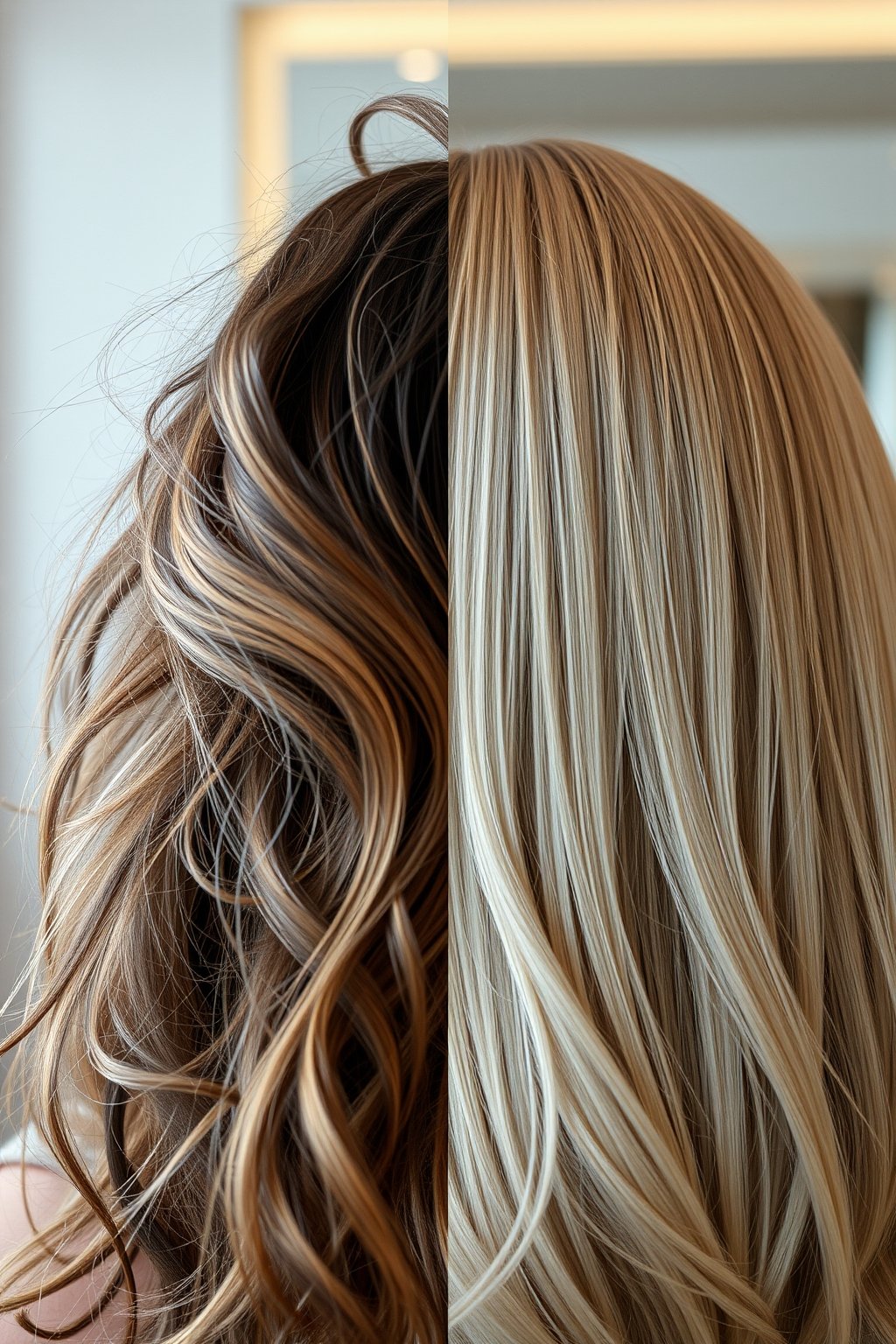
Hair masks go beyond regular conditioners by using higher concentrations of oils, butters, proteins, and film-formers—plus longer contact time—to help replenish lost moisture, smooth frizz, and improve strength. While conditioners mainly coat the hair’s surface, masks can patch cuticle gaps and (in some cases) even help mend brittle areas. The right hair mask can make difference between dry, flyaway strands and soft, shiny hair—if you match the formula to your hair’s needs and avoid the most common mistakes.
Step-by-Step Guide
Follow these actionable steps to actually get smoother, healthier results from the best hair masks for dry, frizzy hair—without ending up oily, sticky, or disappointed.
- Choose the right mask for your hair type:
- If your hair is fine, easily weighed down, or low-porosity, pick a lightweight, silicone-rich mask (such as ones containing amodimethicone instead of heavy butters like shea or cocoa). Avoid formulas with lots of waxes and butters high on the ingredient list.
- For thick, coarse, curly, or high-porosity hair, prioritize richer masks with oils (like coconut, avocado, or argan), shea or mango butter, and ceramides. These ingredients help restore the lipid barrier and tame serious frizz.
- Shampoo thoroughly before applying the mask.
- Clean hair lets active ingredients better reach the cuticle. Use a clarifying shampoo if you’ve used a lot of styling products or silicone-heavy treatments recently.
- Apply the mask from mid-lengths to ends and detangle gently.
- Focus mask application on the driest and most damaged areas. Avoid your scalp unless your mask instructions specify otherwise.
- Distribute with fingers or a wide-tooth comb to reduce breakage.
- Leave the mask on for the recommended duration.
- Most hydrating masks need 5–15 minutes. Protein masks often max out at 10 minutes to avoid stiffness.
- Overnight masks or pre-wash oil soaks work well for very dry, coarse hair, but can weigh down finer types or cause buildup.
- Rinse thoroughly and style with a leave-in for extra frizz control.
- Leftover mask residue can cause limp or greasy hair—rinse until hair feels “squeaky-soft” but not slippery.
- For humidity or heat protection, consider a silicone-free serum or a light leave-in conditioner for dry hair after towel drying.
- Complement with clarifying and scalp care as needed.
- To prevent buildup from regular mask use, clarify every 2–4 weeks. For best results, learn how to support your scalp skin barrier health as well.
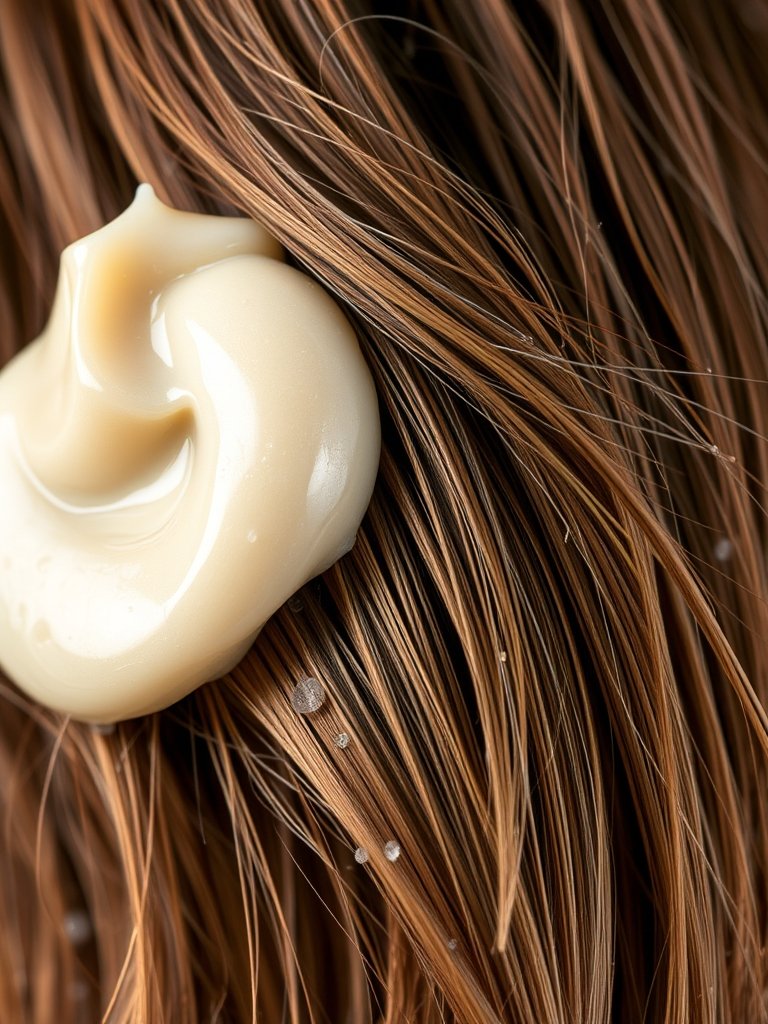
For even better results, alternate between hydrating and protein masks depending on your hair’s changing needs. This approach prevents overload, especially if you color or chemically treat your hair. For a complete hair recovery plan, see our hair thinning repair routine guide or explore best practices for hair oiling routines.
Advanced Analysis & Common Pitfalls
Even the most recommended hair masks for dry, frizzy hair can backfire—often because users pick the wrong formula or ignore porosity, environment, or buildup. Below is a realistic look at common problems and how to sidestep them.
| Common Problem | Likely Cause | How to Fix or Prevent It |
|---|---|---|
| Hair feels limp or greasy after masking | Mask too heavy for your hair type; not rinsed thoroughly; applied to scalp | Switch to lighter formula; focus on mid-lengths and ends; increase rinse time |
| No improvement vs. regular conditioner | Mask ingredients too similar to daily conditioner; hair may not need extra | Try more concentrated mask or longer leave-on, or clarify before use |
| More frizz after use | Protein overload (mask contains hydrolyzed proteins); excessive humectants in humid weather | Reduce protein frequency; choose mask with more emollients and film-formers |
| Overpowering fragrance or scalp irritation | Fragrance/essential oils high on ingredient list | Choose fragrance-free or low-scent masks; patch test before full application |
| Color fade or tone change | Mask contains harsh surfactants or clarifying agents | Pick color-safe formulas for dyed hair; avoid clarifying masks post-color |
| Buildup and “plastic” feel over weeks | Heavy use of silicones, waxes, and certain quats | Clarify regularly; rotate in lighter masks; don’t skip shampoo |
Be especially mindful of environmental factors, such as hard water minerals and high humidity, both of which can worsen frizz if your mask isn’t well balanced. In very humid climates, opt for masks with strong film-formers and fewer humectants—or your hair may puff up despite deep conditioning.
If you find you’re still struggling with frizz, combine your masking routine with supportive steps like protein masks or hair density serums for a more comprehensive solution.
Conclusion
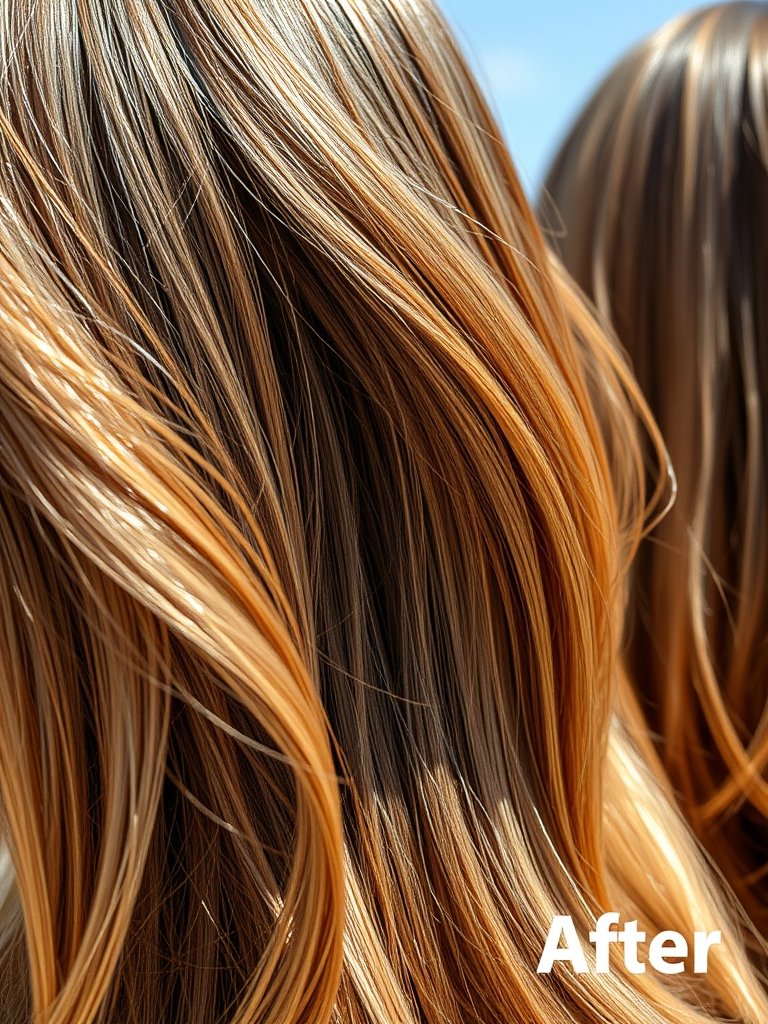
To get real results from the Best Hair Masks for Dry, Frizzy Hair, focus on matching the formula to your hair’s porosity, density, environment, and styling damage. Don’t follow “viral” mask trends blindly—clinical evidence shows masks work best when used intentionally and balanced with scalp health, clarifying, and the right leave-in products. Ready for softer, smoother, frizz-resistant hair? Pick your mask, fine-tune your technique, and start transforming your routine today.
FAQ
How often should I use a hair mask for dry, frizzy hair?
For most people with dry or frizzy hair, once per week is ideal. If your hair is very coarse or damaged, you can use a mask twice weekly. Avoid using protein-rich masks more than every 2 to 4 weeks unless your hair is extremely compromised.
What ingredients should I look for in the best hair masks for dry, frizzy hair?
Look for emollient-rich ingredients such as argan, coconut, or avocado oil, shea or mango butter, ceramides, and film-forming silicones like amodimethicone. If your hair is very damaged, hydrolyzed protein can help as an occasional treatment.
Why does my hair get greasier or flatter after using a mask?
Your mask may be too rich for your hair density or porosity, or it may not be rinsed out thoroughly. Apply only from mid-lengths to ends and switch to a lighter formula if needed. See more tips in our best hair mask for dry hair guide.
Can hair masks cause color fade?
Some masks with clarifying agents or strong surfactants can strip color, especially vivid or semi-permanent dyes. Always use color-safe masks and check ingredient lists if your hair is dyed.
Is it necessary to clarify if I use masks regularly?
Yes. Regular mask use, especially with silicones or butters, can cause buildup and dullness over time. Clarifying every 2–4 weeks helps restore bounce and shine.