

Hair thinning treatment serum is changing the way we approach hair loss, offering realistic hope for regrowth using science-backed ingredients and smarter application strategies.
Key Takeaways
- Clinically proven ingredients like pumpkin seed oil, saw palmetto, rosemary, and cytokines deliver superior results in hair thinning treatment serums compared to trendy but weak formulas.
- Consistent and correctly dosed application—often twice daily—is critical to reducing hair shedding and improving density within 3 to 6 months.
- Most high-quality serums are well tolerated, but many brands underdose actives, causing poor results; evidence-based, multi-pathway formulas work best.
- Understanding the Power of Hair Thinning Treatment Serum
- How to Use Hair Thinning Treatment Serums: A Practical Guide
- Advanced Analysis and Common Pitfalls
- Conclusion
- FAQ
Understanding the Power of Hair Thinning Treatment Serum
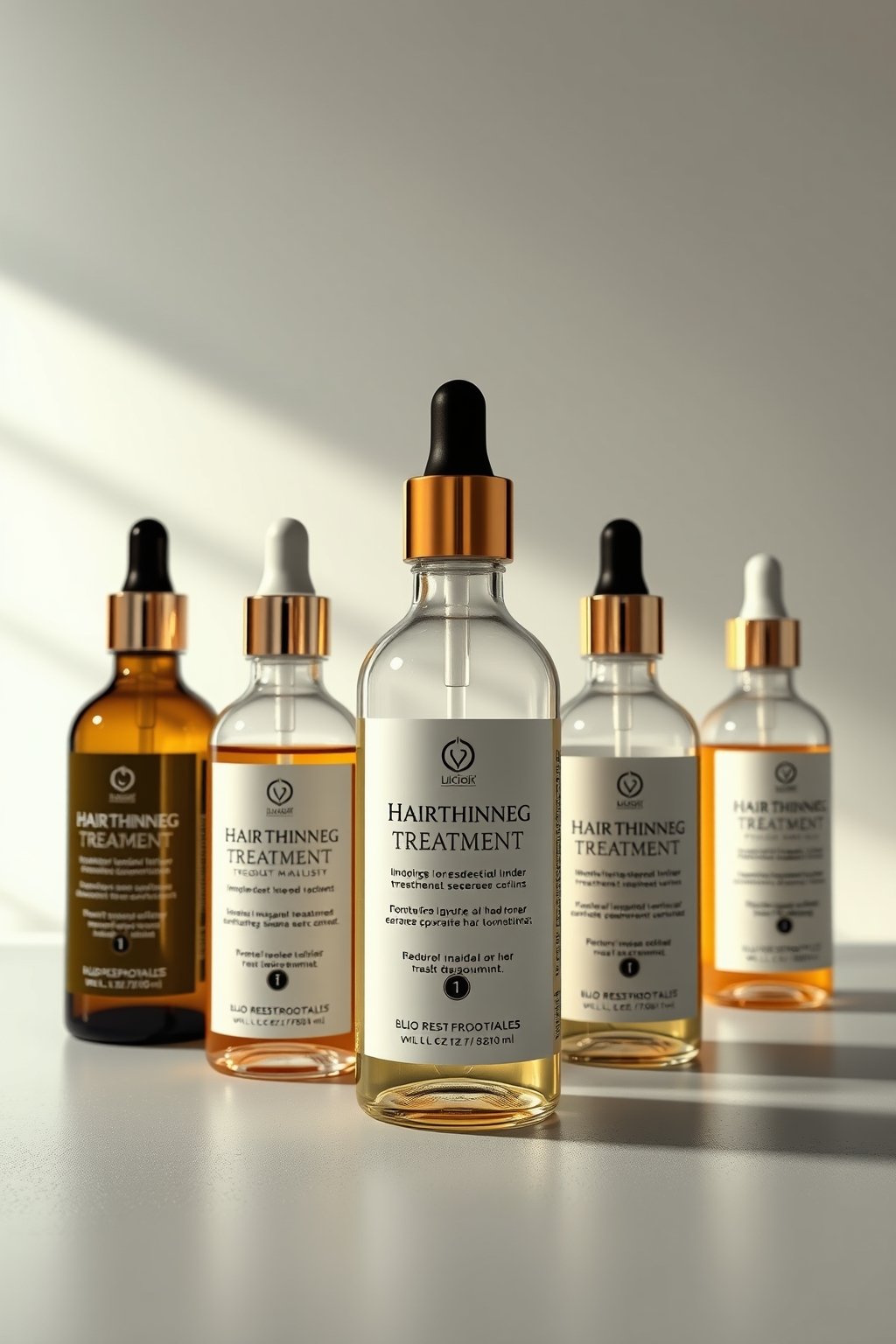
What makes a hair thinning treatment serum truly effective? Instead of relying on hype or empty claims, the best serums combine potent ingredients—like pumpkin seed oil, saw palmetto extract, S-equol, rosemary (standardized for carnosic acid), adenosine, and procyanidin B2—to directly target the most common reasons for thinning: DHT buildup, microcirculation issues, and follicle damage. Multiple clinical trials show these actives work best when used at standardized, clinically proven concentrations that target several pathways at once.
Leading-edge serums also use advanced delivery methods—such as liposomes or nano-vesicles—to ensure ingredients reach the hair follicle, not just sit on your scalp. This multi-action, science-driven strategy allows for real improvement in hair density and visible reduction in shedding, outpacing most commercial formulas found on store shelves.
How to Use Hair Thinning Treatment Serums: A Practical Guide
Ready to see real results? Follow this evidence-based routine to get the maximum benefit from your hair thinning treatment serum:
- Choose the right serum. Look for serums with clinically validated ingredients in standardized doses—as proven by research here and here. Avoid products that list actives like pumpkin seed oil, saw palmetto, or rosemary without specifying percentage or dose.
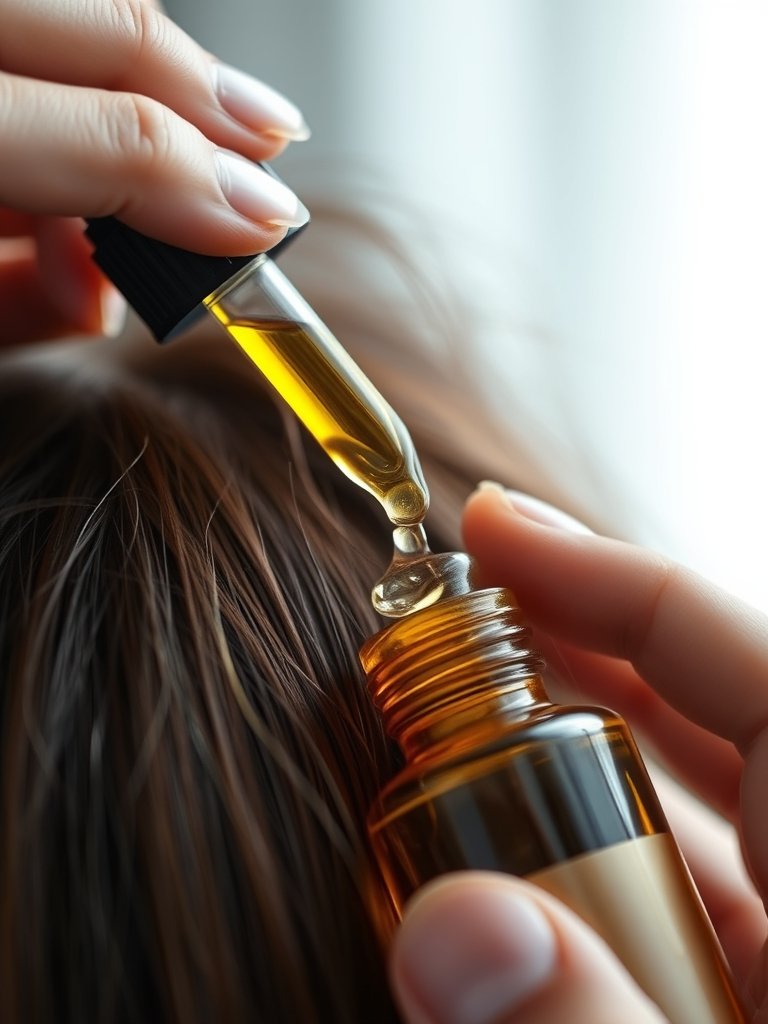
- Apply serum according to instructions—usually daily or twice daily. For best results (including a 44% reduction in hair fall), studies used twice-daily application for 8 weeks. Apply to a clean, dry scalp and massage in gently for absorption. Pair with a scalp barrier routine (best tips here) to maximize penetration.
- Combine with other proven strategies. Complement your serum use with evidence-driven habits: regular scalp exfoliation to boost microcirculation (guide here), gentle shampoos, and, if recommended, oral supplements for women (see options).
- Track progress and be patient. Take scalp photos every 4 weeks and note shedding patterns. Clinical changes typically appear at 8 to 24 weeks. If you’re not seeing improvement, check serum ingredients and consider switching to a formula that addresses multiple hair loss pathways.
- Be mindful of potential interactions and scalp health. Combine serums and treatments (minoxidil, finasteride) at different times of day for synergy. Always watch for irritation, and repair the scalp barrier if needed (repair guide).
- Maintain consistency. Skipping serums negates results—use them daily. Once regrowth or density stabilizes (usually after 3+ months), you may be able to reduce frequency based on results and dermatologist advice.
Advanced Analysis and Common Pitfalls
Most hair thinning treatment serums sound impressive, but not all deliver. Here are the real challenges and frequent mistakes users encounter, based on scientific analysis:
- Ineffective concentrations: Many brands “dust” their formulas with trendy ingredients like saw palmetto or pumpkin seed, but in amounts too low to work. Clinical studies relied on specific percentages (e.g., 3% topical pumpkin seed oil) or standardizations. Always check the label and the science—if actual dose or standardization aren’t listed, results will fall short (source).
- Single-target formulas: Addressing only DHT or blood flow isn’t enough. Serums that combine DHT blockers, growth phase boosters, and anti-inflammatory agents (like rosemary plus neem) far outperform single-ingredient products.
- Overlooking scalp barrier health: Repeated use of strong actives can dry out or irritate the scalp, undermining hair growth. Support the scalp barrier with the right products (learn more here).
- Inconsistent use: Missing applications breaks the hair growth cycle and reduces cumulative benefits—daily, long-term use is essential.
- Relying on unproven trends: Many “natural” or “clean” serums avoid synthetic carriers or penetration enhancers, leading to weak results. In studies, penetration boosters and liposomes significantly improved efficacy over basic oils or water-based formulas.
- Ignoring professional advice: For severe, sudden, or patchy hair loss, treatment with serums is only part of an effective plan—consult a dermatologist for a comprehensive regrowth strategy, and consider integrating prescription, medical, or holistic options.
| Serum Type | Key Ingredients | Clinically Proven Result | Reported Side Effects |
|---|---|---|---|
| Cytokine-Based | IGF-1, BFGF, PDGF, KGF | -54.6% hair shedding, 64.74% density in 3-6 months | None reported |
| Plant-Derived (SME+MnPCA+LCE) | Soybean, Manganese PCA, Luteolin C-Glucoside | Reduced shedding from week 4, quality gains | None reported |
| Pumpkin Seed Oil Noisome | 3% Pumpkin Seed Oil (Liposomal) | 44% less hair loss in 8 weeks | None reported |
| Single-Pathway/Dilute Serums | Trace DHT blockers, generic actives | Minimal to no effect | No major, but no results |
Most users will get best results by pairing multi-pathway serums with a supportive hair thinning repair routine (see a step-by-step plan here), and treating both scalp and follicle health—for example, with a regular scalp oiling routine for better circulation and support.
Conclusion
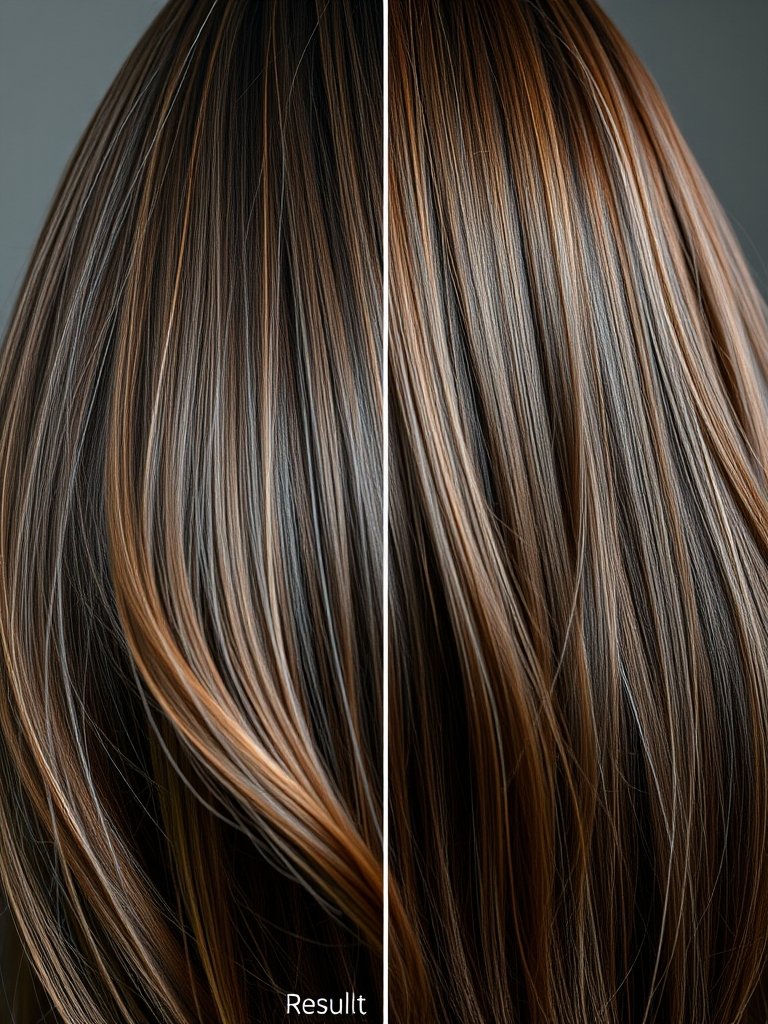
The future of hair regrowth lies in high-quality, science-driven hair thinning treatment serums that address the scalp’s real needs—not just trendy promises. Clinical data show that standardized ingredients, consistent routines, and barrier care outperform most over-the-counter formulas. Start smart: pick a well-formulated serum, stay patient, and blend your regimen with supportive scalp care. The right approach with the right hair thinning treatment serum can unlock thicker, healthier hair within months—often without major side effects. Ready to transform your routine? Take charge now and choose a formula that actually delivers visible improvement.
FAQ
What ingredients should I look for in a hair thinning treatment serum?
Seek serums with clinically validated actives like pumpkin seed oil (3%+), standardized saw palmetto, rosemary extract with carnosic acid, S-equol, adenosine, and procyanidin B2. Also, look for advanced delivery systems like liposomes for best follicle penetration. Review ingredient sourcing here.
How soon can I expect results from a hair thinning treatment serum?
Most clinical studies show visible reduction in hair shedding at 4-8 weeks and significant density or diameter gains anywhere between 12-24 weeks of consistent, daily use.
Are there any side effects from using these serums?
Most high-quality serums with clinically proven doses show no serious side effects. Some users may experience mild scalp irritation, especially with formulas that have strong penetration enhancers. Always patch test first.
Can I use a hair thinning treatment serum with other treatments like minoxidil?
Yes, you can combine top serums with minoxidil or finasteride. For optimal benefits, apply at different times of day and monitor for scalp irritation or dryness.
What if my serum isn’t working after three months?
Check ingredient concentration and delivery method. Many products are underdosed or not fully standardized. Switch to a multi-pathway, evidence-based serum—and consider joining a comprehensive scalp health plan for better results.