

Introduction
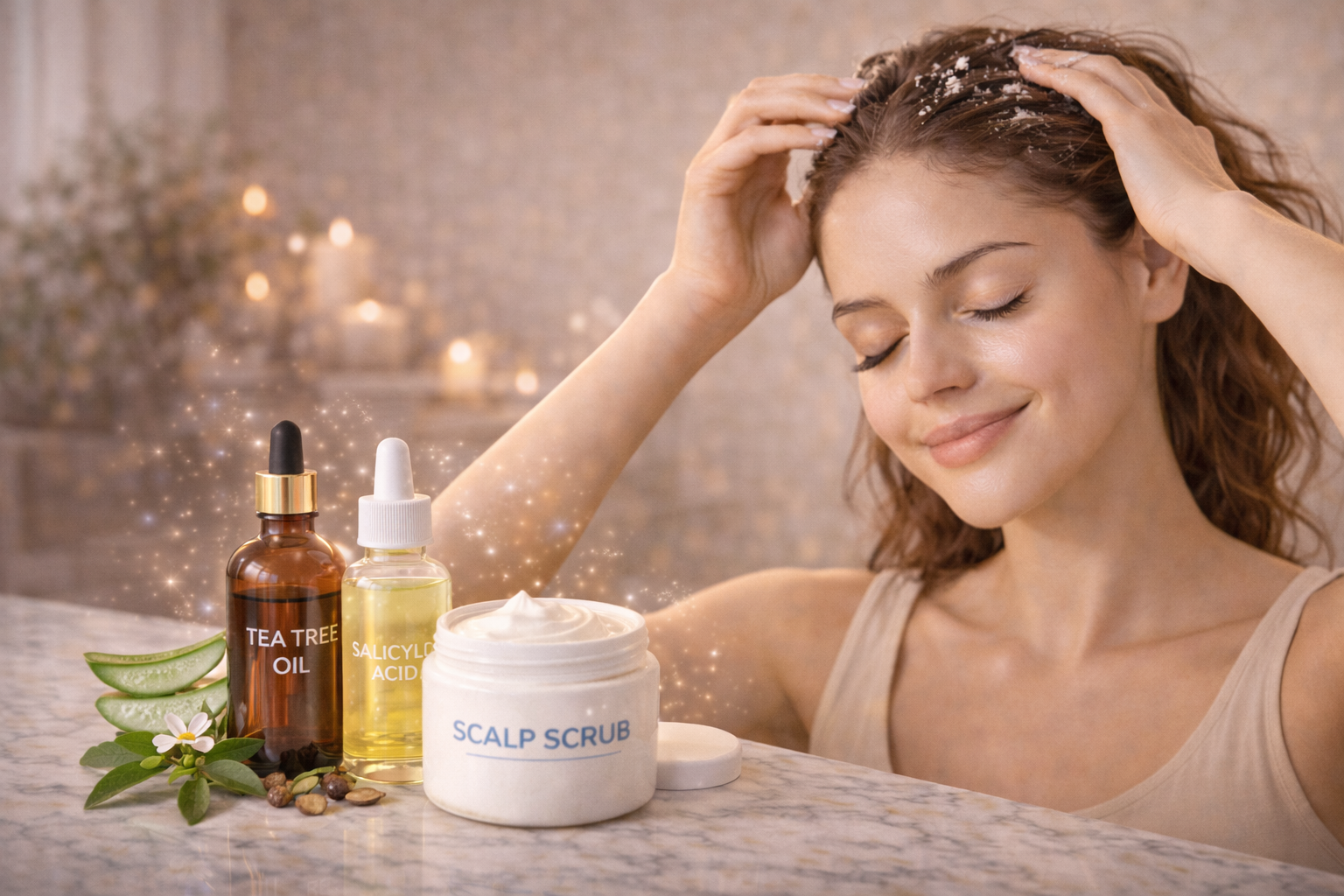
Scalp exfoliation is no longer just a salon trend; it’s a proven self-care ritual that clears buildup, stimulates follicles, and supports thicker, healthier hair growth. As more consumers shift focus to scalp health, this haircare step is becoming a must for both beauty enthusiasts and those dealing with dandruff, itchiness, or thinning.
Key Takeaways
- Scalp exfoliation removes buildup, excess oil, and dead skin for a healthier environment for hair growth.
- Not all scalps benefit equally—understanding your skin type is key to avoiding irritation.
- Mechanical and chemical scrubs work differently—learn which one fits your hair goals.
Table of Contents
- What Is Scalp Exfoliation and Why It Matters
- How to Exfoliate Your Scalp Like a Pro (Step-by-Step)
- Advanced Insights & Common Pitfalls
- Conclusion
- FAQ
What Is Scalp Exfoliation and Why It Matters
Scalp exfoliation is the process of removing dead skin cells, product buildup, excess sebum, and pollution residue from the scalp. This promotes better circulation, unclogs follicles, and enhances hair growth. It’s not just about cleanliness—research shows that deep cleansing accounts for over 33% of professional scalp care sales, making it the fastest-growing segment in haircare.
The global scalp exfoliation market is projected to grow from $1.5 billion in 2025 to $4.2 billion by 2033 (source), proving that people finally grasp how vital the scalp is to hair health. Just like you’d exfoliate your face to prevent clogged pores, the scalp benefits from the same logic—removing buildup equals better function.
To further protect and nourish your scalp after exfoliating, visit our guide on strengthening the scalp skin barrier.
How to Exfoliate Your Scalp Like a Pro (Step-by-Step)
Exfoliating your scalp properly isn’t difficult, but doing it the wrong way can lead to irritation or dryness. Here’s a practical breakdown based on real-user results and dermatologist-backed recommendations.
Step 1: Know Your Scalp Type
- Oily or product-heavy: Use a chemical exfoliant with salicylic acid.
- Dry or sensitive: Choose mechanical exfoliants like sugar or sea-salt blends with hydrating oils.
- Flaky or itchy: Try blends targeted for dandruff and buildup, avoiding aggressive friction.
Step 2: Choose the Right Product
Go with respected formulations like Briogeo, Kristin Ess, or Christophe Robin for premium options, or explore mass products from L’Oréal and Unilever for budget picks. For a full hair-strengthening strategy, explore our full hair thinning repair routine here.
Step 3: Apply on Damp Hair Before Shampooing
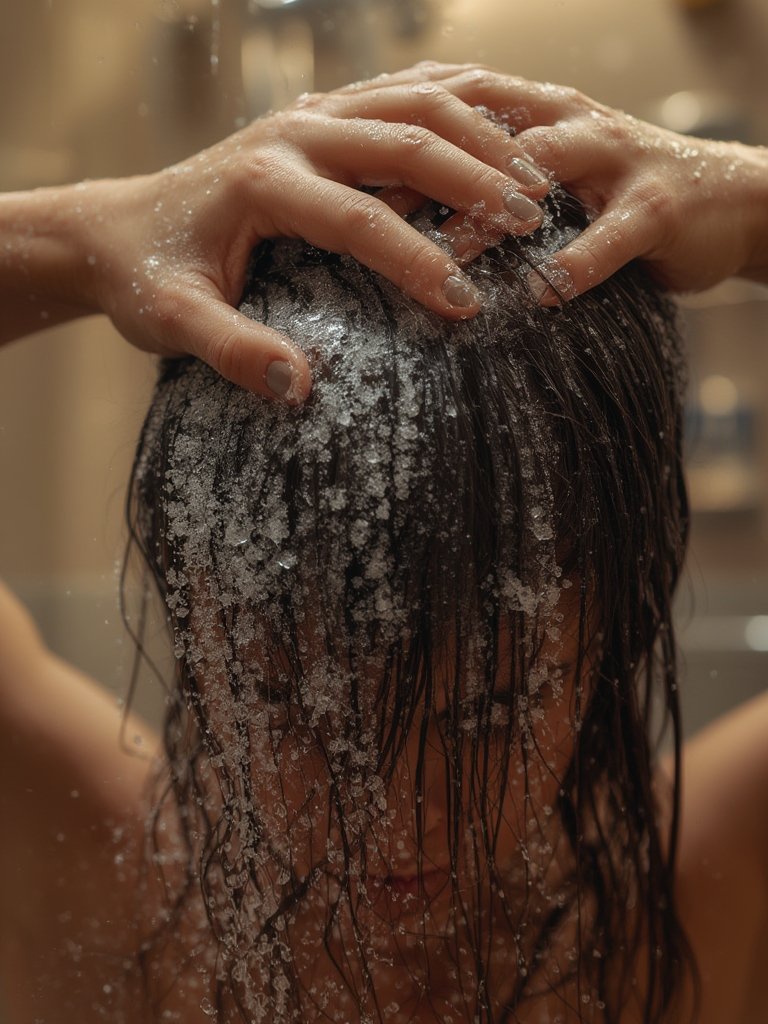
Always apply the scalp scrub or liquid exfoliant on a damp scalp before shampooing—this ensures better absorption and gentler effects.
Step 4: Rinse Completely & Follow With Shampoo
Don’t leave product behind. Rinse thoroughly, then follow immediately with a gentle, sulfate-free shampoo. Finish with a nourishing conditioner.
Step 5: Frequency Matters
Once per week is generally safe. But for very dry or irritated scalps, consider every 10-14 days instead. There’s no established science yet, but anecdotal evidence supports weekly use for most people (source).
Advanced Insights & Common Pitfalls
Despite its popularity, many sources skip over user challenges and potential downfalls of scalp exfoliation. Here’s what you need to know before you go scrub-happy:
Issue 1: Overuse Can Backfire
Exfoliating too frequently or with products not suited to your scalp type can lead to:
- Redness and inflammation
- Over-drying and flaking
- Compromised scalp barrier
Issue 2: Not All Products Are Equal
| Type | Best For | Caution |
|---|---|---|
| Mechanical (sugar, sea salt, coffee) | Normal to oily, product buildup | Sensitive scalps may get microtears |
| Chemical (salicylic acid, AHAs) | Oily or acne-prone scalps | May cause dryness with overuse |
This analysis isn’t addressed in most top-ranking articles. Few mention how the wrong ingredients or application routines can cause more harm than help. For help restoring after over-exfoliating, read our barrier repair moisturizer guide.
Issue 3: Lack of Clinical Proof
So far, no studies confirm long-term benefits vs. risks of weekly scalp exfoliation. While user feedback is overwhelmingly positive (source), more clinical studies are needed to validate safety over the long haul.

Conclusion
Incorporating scalp exfoliation into your haircare routine helps combat buildup, reactive skin flare-ups, and sluggish growth. But the key is doing it correctly and not blindly following trends. Know your scalp, pick the right formula, and listen to how your skin reacts.
Ready to go beyond surface cleansing? Start by identifying your scalp type and add a weekly exfoliation into your existing hair oiling routine for a true growth-boosting transformation.
FAQ
Can I exfoliate if I have dandruff?
Yes, but choose a gentle chemical exfoliant like salicylic acid. Follow up with a hydrating serum to avoid dryness.
How often should I exfoliate my scalp?
Once a week works for most. If you have a dry or sensitive scalp, aim for every 10-14 days.
Is mechanical or chemical exfoliation better?
Chemical is usually better for oily or acne-prone scalps; mechanical scrubs work well for light buildup on normal skin.
Will scalp exfoliation help with hair growth?
Indirectly—by removing buildup and increasing circulation, exfoliation can support healthier follicles.
Can I exfoliate my scalp at home without a scrub?
Yes. You can use ingredients like diluted apple cider vinegar or salicylic acid shampoos, but always research their safe use.