

Introduction
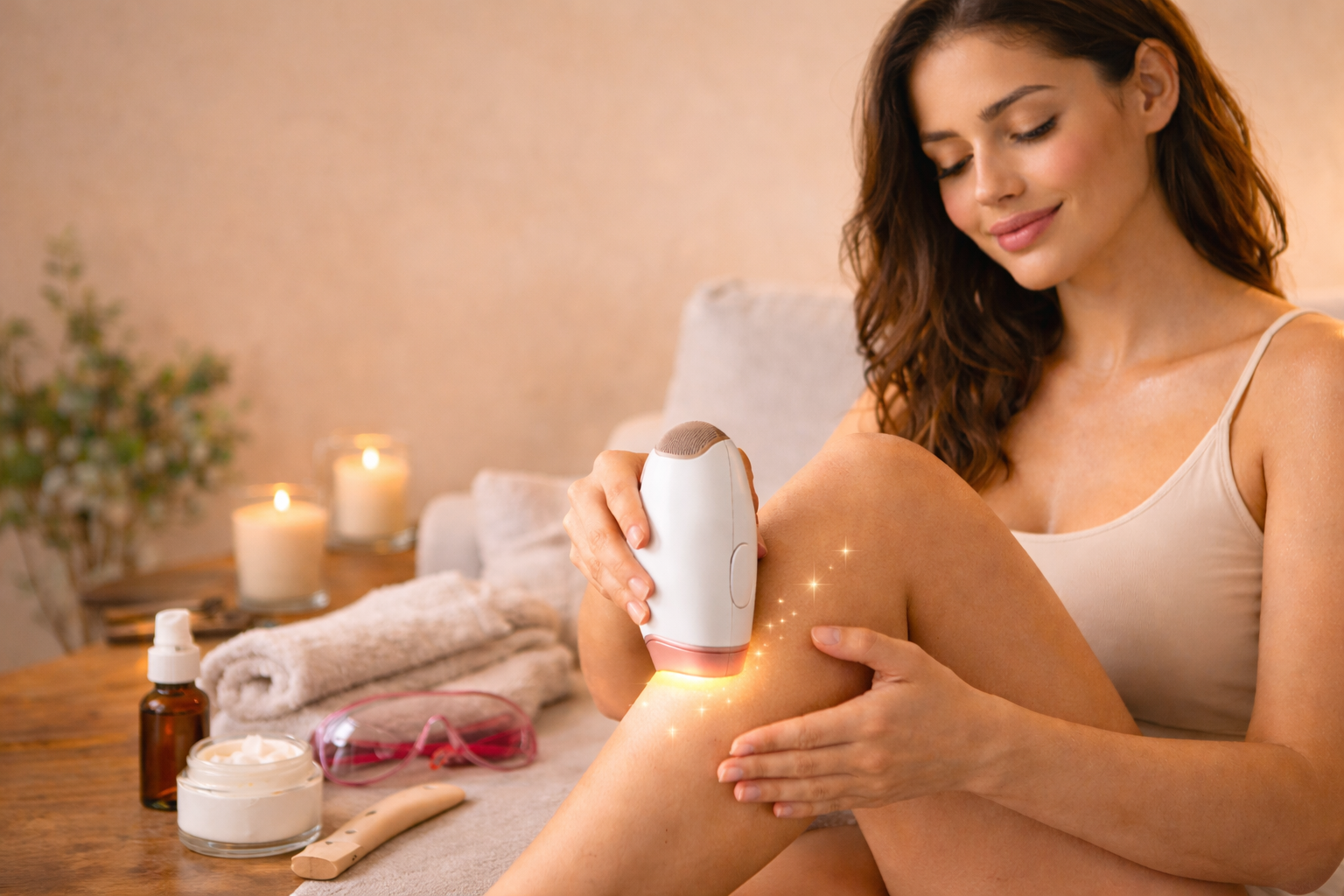
Laser hair removal at home is no longer just a futuristic promise. In 2024, it’s a fast-growing reality. With millions of people shifting from salon visits to handheld IPL and laser tools, the beauty industry is seeing a digital revolution. If you’re tired of constant shaving or painful waxing, this practical guide explores everything you need to know before switching to at-home laser treatments.
Key Takeaways
- At-home laser and IPL devices are projected to reach a $1.693 billion market size by 2034 with rising user satisfaction levels.
- These devices work best for certain hair and skin types, and require a commitment to regular sessions.
- Despite rapid tech advances, understanding limitations, safety protocols, and realistic treatment timelines is critical.
- What Is Laser Hair Removal at Home?
- How to Use Laser Hair Removal Devices at Home
- Common Pitfalls, Limitations, and Real Talk
- Conclusion
- FAQs About Laser Hair Removal at Home
What Is Laser Hair Removal at Home?
At-home laser and IPL (Intense Pulsed Light) devices are handheld gadgets designed to reduce hair growth using light-based energy. These devices emit pulses that heat up and weaken the hair follicle, gradually reducing its ability to regrow hair.

The convenience of performing treatments at your own pace, without the cost of salon sessions, is what makes these devices appealing. In 2024 alone, over 19.8 million devices were sold, with 63% of consumers reporting satisfactory results. Leading brands like Philips, Braun, and Panasonic are releasing improved versions with safety tech like skin sensors and multiple intensity levels.
Home laser devices are best suited for users with light to medium skin tones and dark hair combinations. They’re not always effective on red, blonde, gray, or very fine hair due to lower melanin levels, which is essential for light absorption.
Learn more about laser hair removal for blondes.
How to Use Laser Hair Removal Devices at Home
Here’s a clear, step-by-step breakdown to make your sessions effective and safe.
1. Shave the Area to Be Treated
Use a clean razor to remove all visible hair. Never wax or epilate, as these remove the hair root, which is needed for the light energy to work effectively.
2. Clean and Dry Skin
Ensure your skin is clean and free from lotions, deodorants, or self-tanner. Dry the area completely before use.
3. Start With the Lowest Intensity
If your device has adjustable levels, begin with the lowest setting. If your skin doesn’t react negatively in a test spot, you can gradually increase overtime. Most devices also come with instructions that help you identify the right intensity for your skin tone.
4. Apply Pulse by Pulse
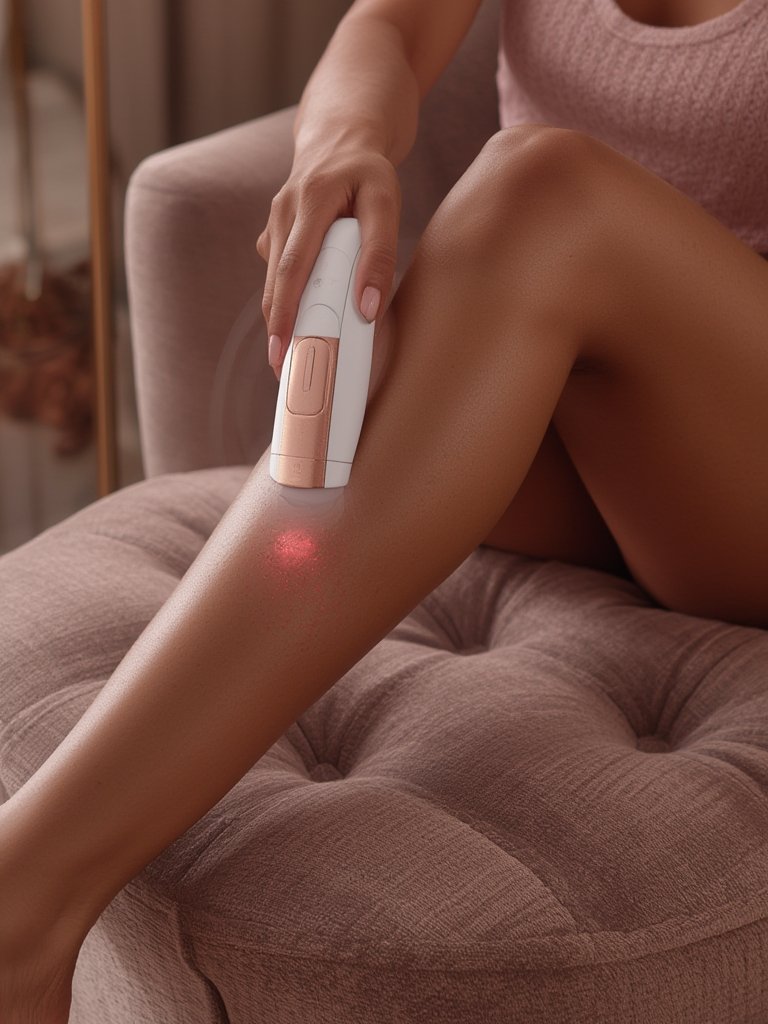
Place the treatment window flat against your skin, press the flash button, and move to the next spot. Avoid repeating flashes on the same area in one session.
5. Follow a Consistent Schedule
Most devices recommend using them once every 1–2 weeks for the first 4–12 weeks. After satisfactory reduction, switch to monthly maintenance treatments.
6. Moisturize Post Treatment
Use a fragrance-free moisturizer or aloe vera gel to soothe your skin. Avoid sun exposure and don’t exfoliate aggressively for at least 48 hours post-session.
Want more advanced routines? Check out our guide on IPL vs laser for home use.
Common Pitfalls, Limitations, and Real Talk
Even with rising popularity and glowing market figures, not every experience is flawless. Here are potential challenges:
1. Not Effective for All Skin Tones or Hair Colors
Traditional IPL works better for light skin with dark hair. Newer models now include skin tone sensors for better compatibility, but still, IPL may not work for lighter hair like blonde or red.
2. Misaligned Expectations
Even professional laser treatments offer “reduction” not total removal — the same applies at home. Many users expect full eradication in a few sessions. But real-world results demand consistency and patience.
3. Improper Usage
Skipping steps like shaving before treatment or overlapping flashes can cause burns or poor results.
Let’s break that down even further:
| Challenge | Reality | What to Do |
|---|---|---|
| Works on all skin types | Most IPL devices do not support darker skin tones | Check the Fitzpatrick skin chart compatibility |
| Instant results in a few sessions | Takes 8–12 weeks for noticeable change | Stick to manufacturer’s timeline |
| Safe to use any time | Sun exposure increases burn risk post-treatment | Avoid outdoor exposure at least 48 hours after |

Want realistic expectations? Check our honest review of common home laser mistakes.
Conclusion
The promise of laser hair removal at home is compelling — a one-time investment for long-term freedom from razors. But its success depends on correct usage, patience, and matching device specs to your skin and hair type. If done right, it can save you thousands over salon visits.
Thinking about getting started? Evaluate your skin tone, hair type, and choose trusted brands. Then, commit to the process. Bookmark our full Laser Hair Removal Buying Guide to help you choose the right fit.
FAQs About Laser Hair Removal at Home
Does laser hair removal at home hurt?
Most users describe it as a mild snapping or heat sensation, particularly in sensitive areas. Pain levels are lower than waxing and fade as hair becomes finer.
How long before I see results?
Visible reduction usually begins after 4–6 sessions, with up to 70–90% reduction following a 12-week routine, depending on device and hair type.
Is it safe for dark skin tones?
Older models weren’t, but newer devices now support darker tones using built-in skin sensing technologies. Always check the manufacturer’s chart.
Can I use it on my face?
Yes, but only below the cheekbones. Avoid eyebrows and areas near the eyes. Use devices that specifically say they’re facial-safe.
What are the most trusted brands?
Top-rated brands in 2024 include Philips Lumea, Braun Silk-expert Pro, and Panasonic. These offer skin sensors, varied intensity settings, and higher flash counts.
[…] Ready to try IPL or unsure if your skin type is suitable? Bookmark this guide, share it, and explore safe options in our top IPL device picks for all skin tones. […]