


Introduction
Hair thinning repair routine is not just about aesthetics—it’s about restoring confidence. With nearly 85% of men and 33% of women experiencing hair loss during their lifetime, building an effective, research-based strategy isn’t optional—it’s critical.
Key Takeaways
- Hair thinning affects millions by age 40, requiring proactive daily care combined with advanced treatments.
- Effective routines blend topical, oral, and lifestyle strategies for long-term results.
- Common pitfalls include relying on hype products, skipping consistency, or ignoring proven medical options.
Table of Contents
- What Is a Hair Thinning Repair Routine?
- Step-by-Step Hair Thinning Repair Routine
- Advanced Analysis & Common Pitfalls
- Conclusion
- FAQs
What Is a Hair Thinning Repair Routine?
A hair thinning repair routine is a structured approach to slow, stop, or reverse hair thinning through targeted care. This includes treating underlying causes like androgenetic alopecia, managing lifestyle risks, and using clinically supported topical or oral treatments at specific intervals.

Simply put, a routine minimizes inflammation, boosts follicular health, and encourages scalp circulation while reducing breakage. Consistency is more important than cost—a well-managed low-cost plan often outperforms inconsistent high-end products.
According to Grand View Research, innovation in supplements and topicals is accelerating consumer access to effective tools. Paired with natural regrowth timelines and early intervention, results can be maintained and improved over time.
Step-by-Step Hair Thinning Repair Routine
1. Morning Ritual: Activate & Protect the Scalp
Start with a gentle, sulfate-free shampoo containing ketoconazole or caffeine to clean and mildly stimulate follicles. Massage for 3 minutes. Follow with a scalp serum containing peptides, redensyl, or growth factors (like EGF) to support early-stage follicle growth through the day.
2. Midday check-in: Nutrition & Hydration
Hair density is nutrient-dependent. Take a DHT-blocking multivitamin or biotin complex daily—especially formulations with zinc, selenium, and saw palmetto (found in popular brands like Nutrafol or Viviscal). Drink 2-3 liters of water to support follicle function and reduce scalp dehydration.
3. Night Repair Phase: Recovery & Stimulation
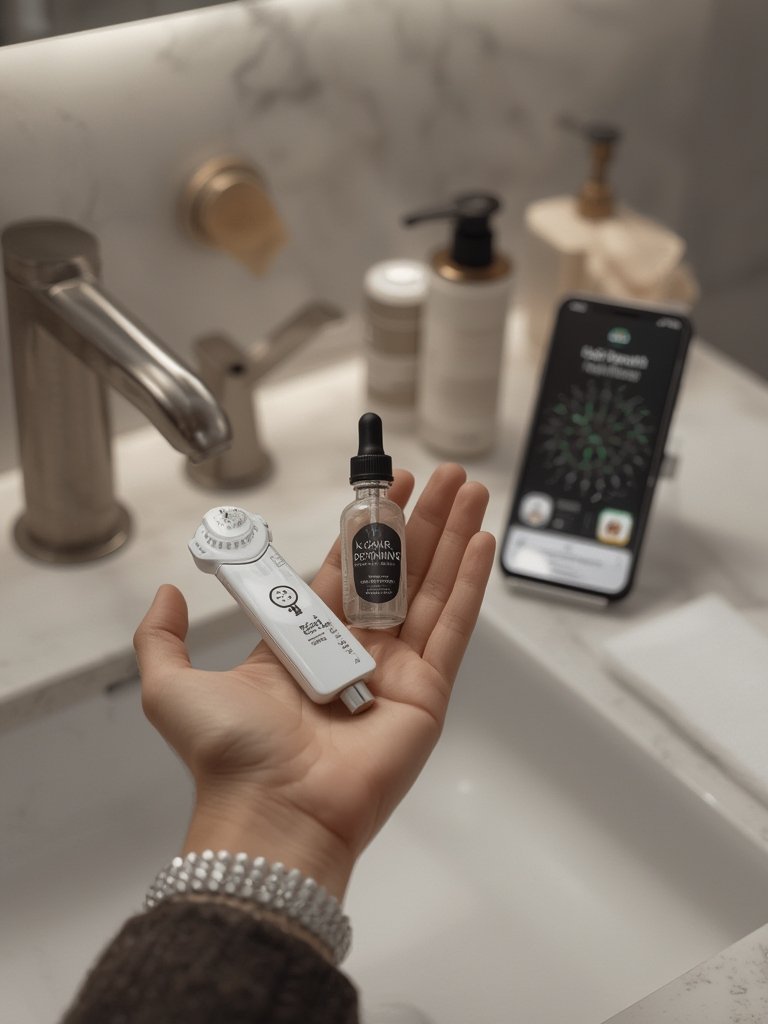
Before bed, apply a topical minoxidil foam (5%) or rosemary oil blend to target blood flow regeneration. Users should massage with fingertips for 5–10 minutes to enhance absorption. Follow with a silk pillowcase to reduce follicle friction and hair thinning overnight.
4. Weekly Enhancers: Light Therapy + Exfoliation
Use a laser cap or LED hair regrowth device (FDA-cleared) with a documented wavelength (650nm is optimal) for 3 sessions per week. Exfoliate your scalp once a week with salicylic acid or charcoal-based scrubs to unclog follicles.
5. Lifestyle Inclusion: Stress & Toxin Control
Chronic stress and smoking are underestimated causes of thinning. According to Dr. Michael Rabin via WorldHealth.net, thinning correlates strongly in stressful regions. Meditation, 7–8 hours of sleep, and eliminating tobacco drastically improve scalp inflammation markers.
6. Monthly Progress Check
Use scalp photography apps or journaling to document regrowth, new vellus hair sprouts, or decline. If no results after 6 months, consult your dermatologist on switching therapies like PRP or finasteride (when medically necessary).
Need more support tracking ingredients? Check our Hair Thickening Vitamins Guide and Best Hair Serums Reviewed for smart pairing options.
Advanced Analysis & Common Pitfalls
Despite industry growth to $2.75 billion by 2030 (Source), many hair thinning solutions fail due to poor user habits, unrealistic expectations, or ingredient fatigue.
Top Pitfalls People Face:
| Pitfall | Cause | Actionable Fix |
|---|---|---|
| Using harsh shampoos | Sulfates dry out scalp, increasing strand breakage | Switch to sulfate-free, pH-balanced options |
| Inconsistent application | Minoxidil and serums need consistent use to work | Set alarms and treat like a supplement routine |
| Ignoring diet | Low protein or iron deficiencies halt growth | Ensure daily intake of essential micronutrients |
| Skipping medical therapy early | Waiting too long before trying proven options | Consult by month 3–6 of hair thinning onset |

Products often ranked high on keyword searches fail to include essential planning in their routine blueprint. For more informed long-term strategies, read our Scalp Stimulation Guide and How to Use a Derma Roller for Hair Growth.
Conclusion
Building an effective hair thinning repair routine is less about expensive products and more about daily discipline, clinically-approved ingredients, and lifestyle management. From laser devices to simple biotin-rich foods, the key is to start small but smart.
If you’re noticing early signs of thinning, take charge today. Visit our Hair Loss Solutions Hub for personalized tips, reviews, and guides that adapt to your routine and budget.
Frequently Asked Questions
How long does it take to see hair regrowth?
Typically, visible changes appear after 3 to 6 months of consistent use. For some, shedding precedes regrowth, especially with minoxidil-based routines.
Can supplements alone regrow my hair?
Supplements support follicle health but rarely reverse hair thinning alone. Pair them with topicals, scalp care, and stress management for best results.
Is rosemary oil as effective as minoxidil?
Some studies suggest rosemary oil offers similar effectiveness to minoxidil over 6 months for mild cases. However, results vary, and minoxidil remains FDA approved.
Can hair thinning routines stop hormonal hair loss?
They can help manage it, but genetic or hormonal triggers often need prescription treatments like finasteride or spironolactone under medical supervision.
Do low-level laser therapy devices really work?
Clinical results show regular use (3x/week) can slow thinning and promote density. However, sessions must be consistent, and devices should be FDA-cleared.
[…] Go with respected formulations like Briogeo, Kristin Ess, or Christophe Robin for premium options, or explore mass products from L’Oréal and Unilever for budget picks. For a full hair-strengthening strategy, explore our full hair thinning repair routine here. […]