


Introduction
Developing a consistent hair oiling routine may be the simplest and most effective way to improve hair health, length, and volume—without relying on harsh chemicals. New 2024 studies on rosemary-based oils show exciting, clinically-proven results that rival drugstore treatments and even prescription products.
Key Takeaways
- Rosemary-lavender oil improved hair growth by 57.73% in clinical trials.
- Proper oiling technique significantly boosts hair density, length, and reduces shedding.
- Consistency in routine matters more than frequency—stick to a schedule for best results.
Table of Contents
- What Is a Hair Oiling Routine and Why It Works
- Step-by-Step Hair Oiling Routine Guide
- Advanced Analysis & Common Pitfalls
- Conclusion
- FAQ
What Is a Hair Oiling Routine and Why It Works
A hair oiling routine involves the consistent application of oil(s) to the scalp and hair strands to boost growth, strength, softness, and overall scalp health. Unlike commercial conditioners or serums, scalp oils—especially those infused with rosemary—actively support the hair growth cycle by nurturing follicles and combating inflammation, dryness, and microbial buildup.

Recent research validates the power of botanical oils. A 2024 clinical trial found that rosemary-lavender formulations improved hair growth rates by nearly 58% in just 90 days, outperforming many over-the-counter solutions like minoxidil. Even better, over 76% of users reported high satisfaction with reduced fall and better length gains.
What’s driving these results? Rosemary oil boosts blood flow to the scalp (microcapillary perfusion), strengthens follicles, and prolongs the anagen phase—the optimal growth window of each hair strand.
Step-by-Step Hair Oiling Routine Guide
Ready to start your hair oiling journey? Here’s an easy-to-follow guide that fits any lifestyle or hair texture. You’ll need a high-quality rosemary oil blend—preferably rosemary-lavender or rosemary-castor formulations proven in clinical trials.
- Choose the Right Oil Blend: Aim for rosemary-lavender (great for stress-related shedding) or rosemary-castor (ideal for thickening strands). Avoid heavily perfumed or silicone-laden commercial oils.
- Pre-Treat with Gua Sha or Scalp Brush: Lightly massage the scalp for 2–3 minutes pre-application using a silicone scalp brush or jade Gua Sha tool to loosen dead skin cells.
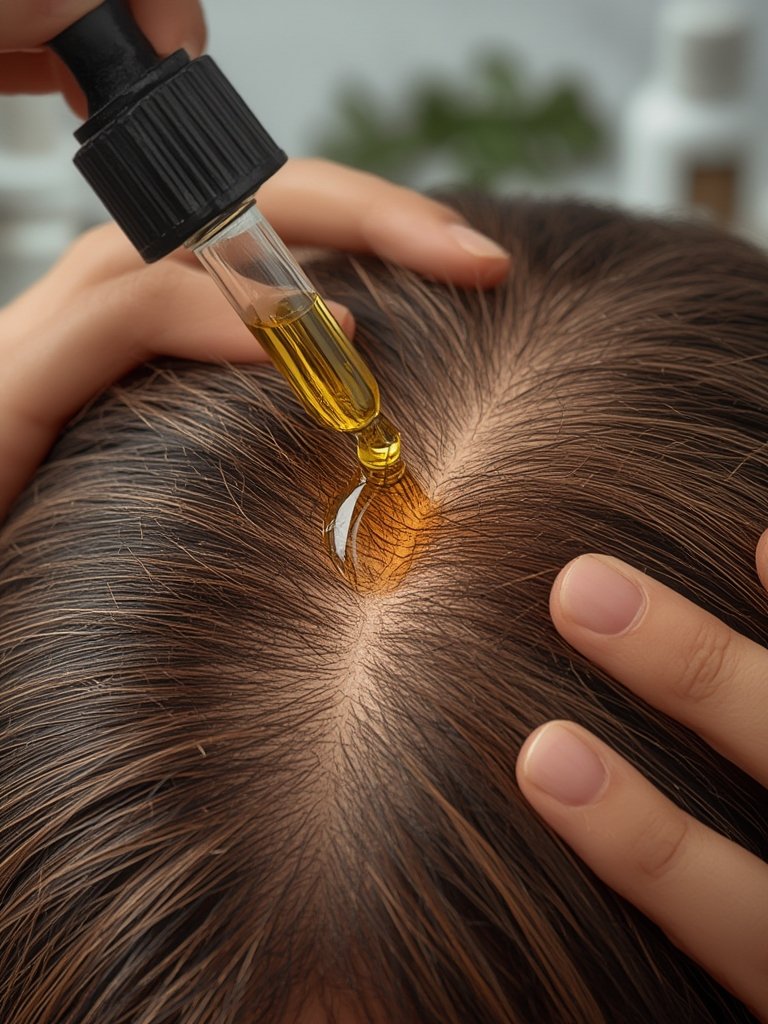
- Apply with Dropper or Fingertips: Focus oil on the scalp line by line, parting your hair. Gently move from front to back.
- Massage in Circular Motions: Spend 5–10 minutes gently massaging. This supports circulation and relieves scalp tension.
- Coat the Ends: After your scalp, apply oil to your mid-lengths and ends to seal moisture and reduce split ends.
- Let Sit for 1–8 Hours: Cover your hair with a soft cloth or bonnet. Overnight treatments yield the best results, but even 1 hour can help.
- Shampoo Out with Sulfate-Free Formula: Use warm—not hot—water. You may need two light shampoos to remove excess oil, especially with castor-rich blends.
- Repeat Weekly: 2x/week for dry scalps; 1x/week for normal/oily scalps.
Looking to upgrade your shampoo or scalp tools? Try our best scalp massagers for growth and our top non-toxic shampoo recommendations.
Advanced Analysis & Common Pitfalls
While the benefits of rosemary-based oiling routines are impressive, execution matters. Here are common issues users experience—and how to avoid them:
Top Pitfalls
- Over-Oiling: Too much oil can clog follicles and lead to buildup. A quarter-sized amount is enough for the scalp.
- Not Washing Thoroughly: Leaving residual oil can irritate the scalp and attract dirt or pollutants.
- Using Non-Clinical Oils: Many commercial rosemary oils aren’t formulated for scalp use. Look for clinical comparables to those used in the 2024 trials.
- Infrequent Application: Results from the clinical trial were based on consistent 90-day use, not once-in-a-while application.
Clinical Comparison Table
| Formulation | Hair Growth Rate | Hair Thickness | Hair Fall Reduction |
|---|---|---|---|
| Rosemary-Lavender Oil | +57.73% | +68.7% | 42% reduction |
| Rosemary-Castor Oil | +47.59% | +66.07% | 40% reduction |

Conclusion
Done properly, a consistent hair oiling routine with rosemary-based blends can match and even outperform pharmaceutical options—naturally. The keys are choosing clinical-grade ingredients and sticking to a structured regimen that includes scalp stimulation and proper rinsing. Whether you’re dealing with thinning hair, breakage, or stalled growth, it’s worth trying an oiling routine before moving to expensive interventions.
Ready to reboot your scalp health? Start small—just once a week—and track your results for 90 days. Your hair will tell you if it’s working.
FAQ
How often should I oil my hair?
Once to twice a week is enough for most people. Excessive oiling can cause buildup and scalp irritation.
Can I leave oil in my hair overnight?
Yes, overnight oiling can improve absorption. Just be sure to use a protective cover to prevent pillow stains.
Is rosemary oil safe for every scalp type?
Yes, especially when diluted in carrier oils like castor or coconut. Always do a patch test if you have sensitive skin.
Which oil blend is better: lavender or castor?
Lavender is calming and great for stress-related shedding. Castor is thicker and better for boosting volume. Choose based on your hair goals.
Can I apply hair oil to dirty hair?
It’s best to apply oil on slightly clean or recently shampooed hair to avoid pushing dirt or product residues deeper into the scalp.