

Introduction
Fermented skincare is rapidly transforming the beauty industry, offering natural alternatives to synthetic actives with proven hydration, anti-aging, and barrier-strengthening effects. In 2024, this trend has reached new heights, driven by consumer demand for microbiome-supportive and clean beauty solutions. But understanding how it actually works — and works for you — takes more than just hype.
Key Takeaways
- Fermented skincare uses bioactive ingredients broken down via microbial fermentation, increasing skin absorption and potency.
- Top ingredients include fermented hyaluronic acid, peptides, ceramides, and medicinal fungus extracts supporting hydration, elasticity, and barrier repair.
- Although effective, fermented skincare products are often more expensive and may require consumer education to use correctly.
Table of Contents
- What Is Fermented Skincare?
- How to Start a Fermented Skincare Routine
- Advanced Analysis & Common Pitfalls
- Conclusion
- Frequently Asked Questions
What Is Fermented Skincare?
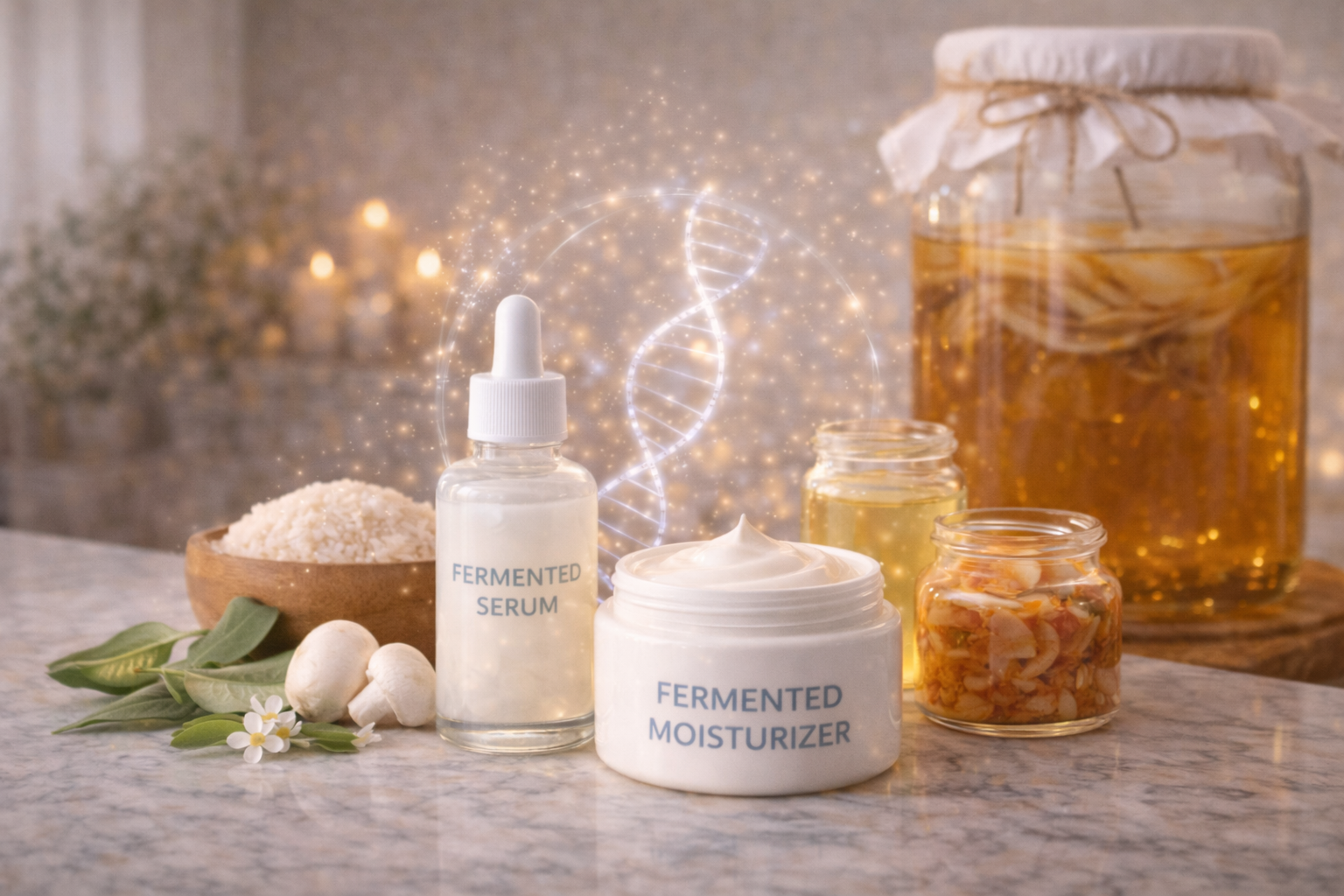
Fermented skincare refers to formulations that use bioactive ingredients produced through microbial fermentation—usually with lactic acid bacteria, yeast, or medicinal fungi. This process breaks down the molecular structure of ingredients, making them more bioavailable and potent when applied to the skin.
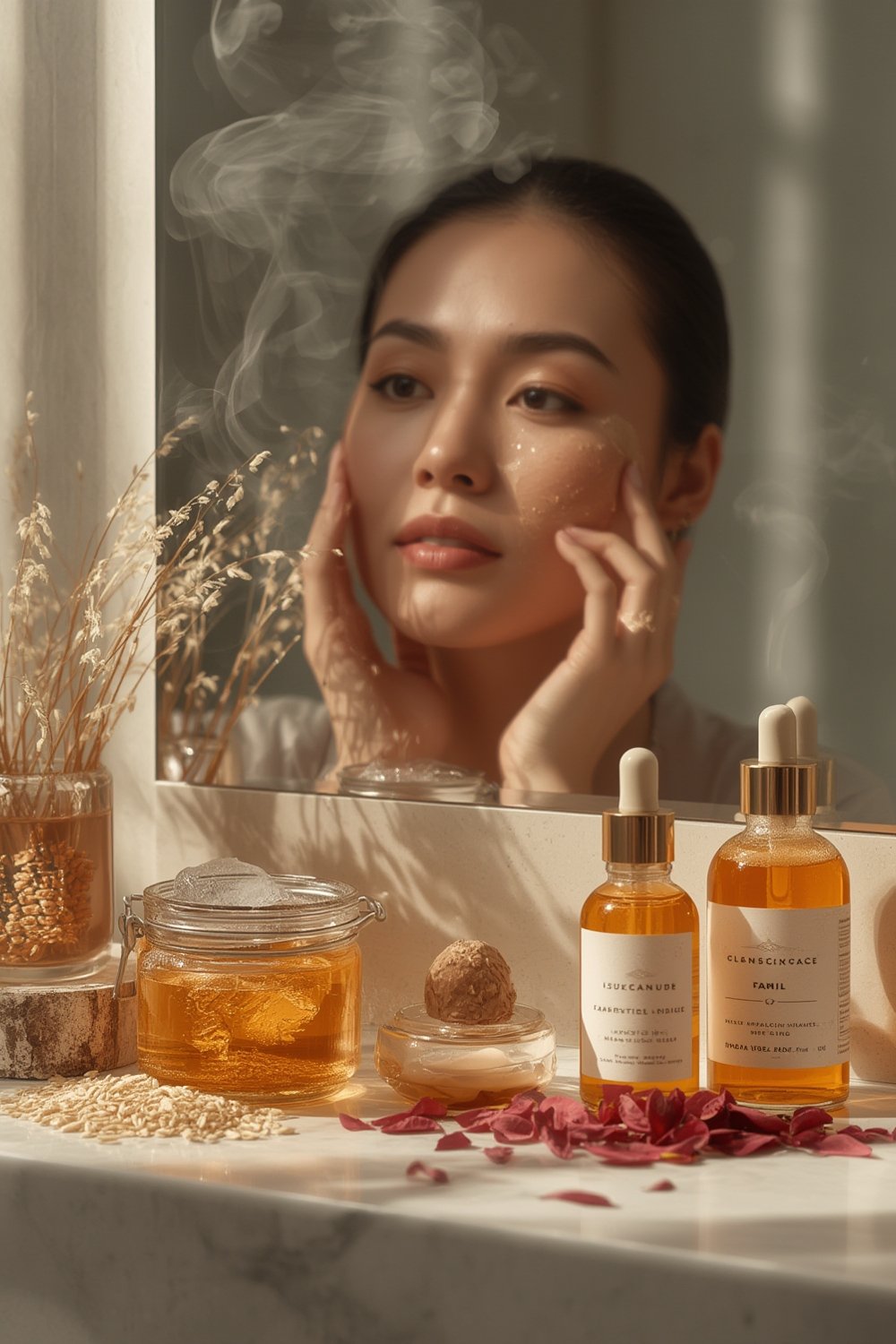
Brands like Amorepacific and Shiseido dominate this category with high-end lines, showcasing ingredients such as fermented hyaluronic acid (hydration), peptides (anti-aging), and postbiotic blends (barrier health). Market data projects fermented hyaluronic acid alone will grow to over USD 441 million by 2025, signaling strong consumer traction [source].
This ingredient category also supports clean beauty trends, aligning with transparency, minimal preservatives, and enhanced microbiome compatibility.
How to Start a Fermented Skincare Routine
Before jumping in, understand that fermented skincare works best when layered methodically. Here’s how to start integrating these powerful ingredients into your existing regimen:
- Step 1: Cleanse with a gentle, pH-balanced cleanser
Prepares your skin without disrupting the microbiome — essential before applying any fermented product. - Step 2: Apply a Fermented Essence or Toner
Choose products with fermented rice extract, galactomyces, or bifida ferment lysate. These support hydration and skin clarity. - Step 3: Layer in Fermented Serums
Look for concentrated formulas like fermented hyaluronic acid, ceramides, or peptides — ideal for boosting elasticity and minimizing fine lines. Retinol alternatives in fermented form may suit sensitive skin types. - Step 4: Lock It In with a Barrier-Repair Moisturizer
Use formulas containing fermented oils or plant extracts for deep hydration. Barrier repair moisturizers help reduce transepidermal water loss. - Step 5: Use Consistently
Like any active routine, consistency is key. Track your progress weekly and avoid combining too many potent actives at once.
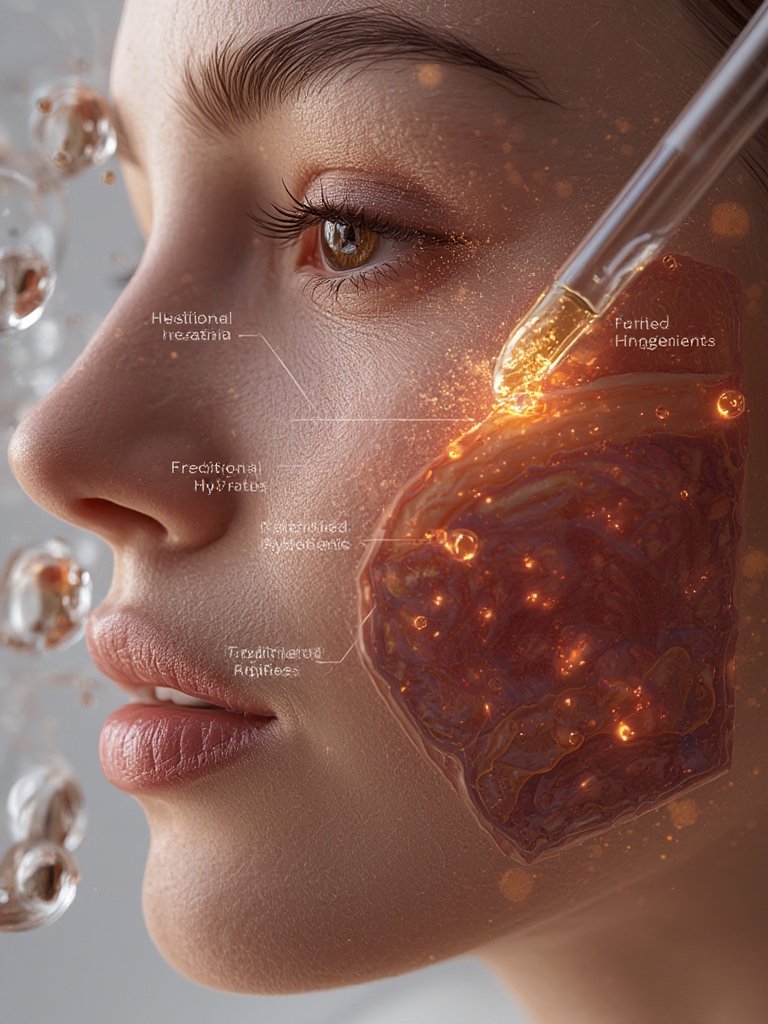
Interested in a more radiant look? Fermented ingredients are often used in glass skin routines due to their hydration-boosting and plumping effects.
Advanced Analysis & Common Pitfalls
While fermented skincare is innovative, it isn’t foolproof. Below are realistic challenges you might face:
- Cost: Fermented products often fall into the premium price segment, attributed to complex formulation and small-batch fermentation — expect prices 30–70% higher than traditional options.
- Lack of Clinical Transparency: Despite claims, few publications offer robust long-term efficacy studies. Most knowledge stems from ingredient-level research, not brand-sponsored clinical trials.
- Sensitivity or Reactions: Though rare, some users develop irritation, especially when layering fermented acids with other actives like retinol or AHAs.
| Fermented Skincare | Traditional Skincare |
|---|---|
| Higher bioavailability due to microbial breakdown | Standard absorption depending on molecule size |
| Supports microbiome balance | May disrupt microbiome depending on preservative base |
| Clean beauty aligned, minimal synthetics | Often includes synthetic stabilizers and silicones |
| Higher cost per unit | Broader price range including affordable options |
If you’re new to this trend, consider starting with starting with simple postbiotic blends — particularly those that support a healthy skin barrier — before investing in a full regimen.
Conclusion
In 2024, the rise of fermented skincare positions it as more than a fleeting trend — it’s a potent blend of science, clean beauty, and microbiome care. While the entry cost is steeper and more research is needed to measure long-term results, users focused on hydration, anti-aging, and skin barrier repair will likely find this category worthwhile.
Ready to try it? Start with a single fermented essence and build from there — a personalized, science-backed skin routine awaits.
Frequently Asked Questions
Is fermented skincare good for all skin types?
Most fermented products suit sensitive and dry skin types due to their soothing and hydrating nature, but always patch test, especially if you have active acne, rosacea, or eczema.
Can I use fermented skincare with retinol?
It’s best to introduce them on alternating nights or during your retinol rest periods to reduce potential irritation.
How long does it take to see results?
Some users notice hydration and skin smoothness after 1–2 weeks. Anti-aging results like wrinkle softening may take about 6–8 weeks of consistent use.
Are fermented skincare products safe during pregnancy?
If the formulation doesn’t include retinoids or harsh actives, most fermented products are considered safe. Still, consult your doctor for ingredient-specific concerns.
Is there a vegan version of fermented skincare?
Yes, look for products fermented from plant-based or rice origin instead of dairy or animal by-products. Check labels for vegan certification.