

Best sunscreens for every skin type aren’t one-size-fits-all solutions—your skin’s needs can change dramatically with factors like oiliness, dryness, sensitivity, or breakouts. Choosing the right sunscreen formula is critical for getting real protection you’ll use every day without irritation or clogged pores. Here’s how to get it right, fast.
Key Takeaways
- Choose your sunscreen texture and ingredients based on your skin type to maximize protection and comfort.
- Mineral and chemical sunscreens both shield from UV damage, but not all formulas work equally for dry, oily, or sensitive skin.
- Consistency is more important than perfection: the best sunscreen is the one you’ll actually wear every day.
- How to Pick the Best Sunscreens for Every Skin Type
- How to Choose & Apply the Right Sunscreen for You
- Pitfalls to Avoid & Advanced Sunscreen Insights
- Conclusion
- Frequently Asked Questions
How to Pick the Best Sunscreens for Every Skin Type
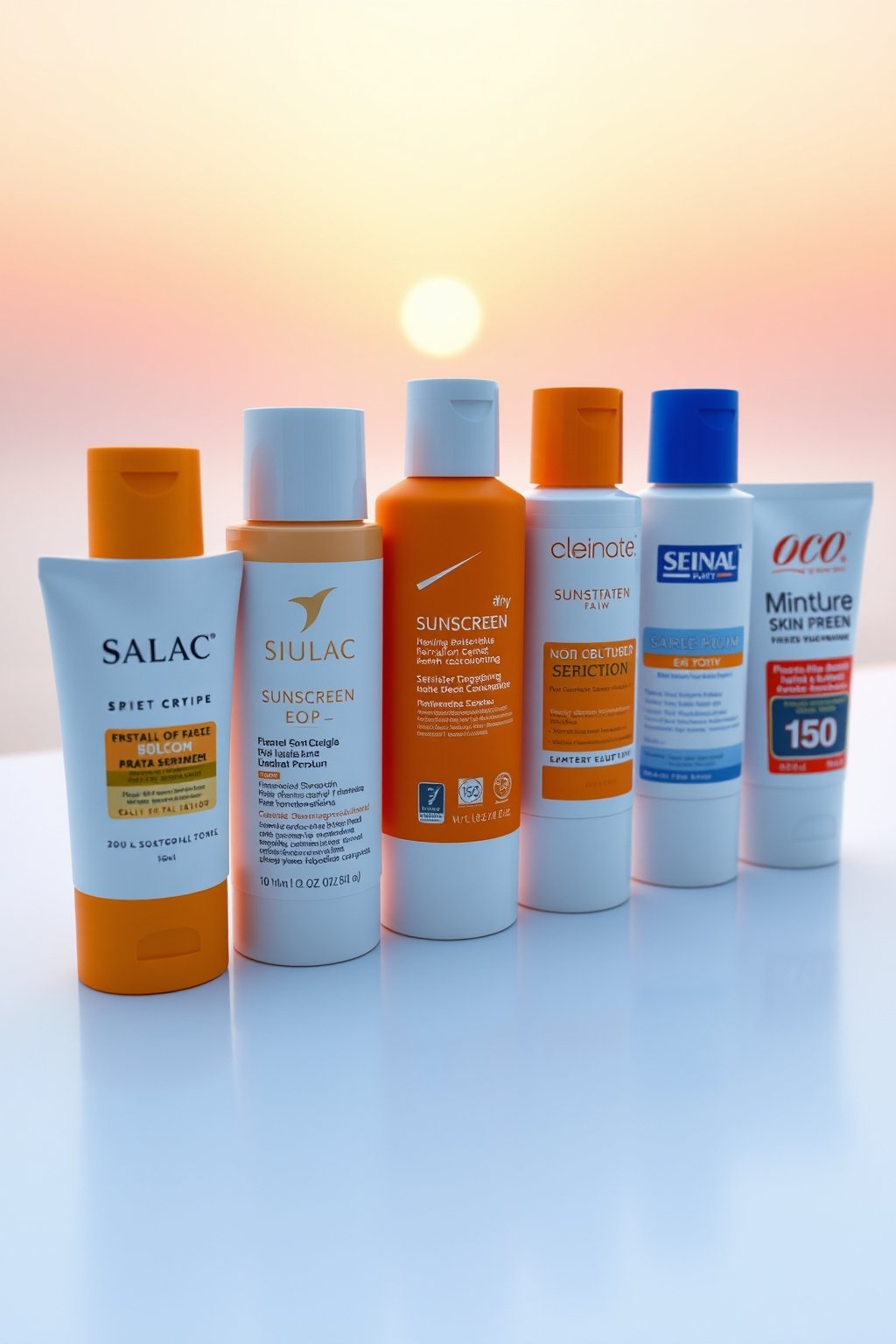
Most people buy sunscreen based on marketing or SPF number alone. The truth: what’s inside the bottle and how it matches your skin type matters far more. Dermatologists confirm that oily and acne-prone skin needs an oil-free, non-comedogenic gel or fluid formula—ideally with zinc oxide or niacinamide for a matte look and less pore-clogging risk[1]. Sensitive and dry skin types should reach for hydrating, creamy mineral sunscreens with ceramides, hyaluronic acid, and zero fragrance, as these soothe and protect the barrier[2].
Chemical (organic) sunscreens blend more easily and often feel lighter, but can irritate sensitive or reactive skin. Mineral (inorganic) sunscreens—especially those with zinc oxide or titanium dioxide—sit on top of the skin and offer broad-spectrum protection with less risk of burning or stinging[3]. No matter your choice, daily SPF 30 or higher is critical for preventing both cancer and premature skin aging[2].
How to Choose & Apply the Right Sunscreen for You
- Identify your skin type. Oily, combination, dry, sensitive, or acne-prone? If you’re not sure, watch for shine (oily), flakiness (dry), redness/burning (sensitive), or breakouts (acne-prone).
- Pick the right formulation.
- Oily/acne-prone skin: Look for lightweight gel or matte fluids labeled “oil-free” and “non-comedogenic.” Ingredients like niacinamide and zinc oxide help reduce shine and soothe inflammation.
- Dry/sensitive skin: Go for thick, creamy, hydrating options. Choose mineral sunscreens with ceramides and hyaluronic acid, and skip fragrance and alcohol.
- Normal or combination skin: You have the most flexibility—test for comfort and no breakouts.
- Check for “broad spectrum” and SPF 30 or higher. This ensures you’re protected from both UVA (aging/cancer) and UVB (burn).
- Be realistic about aesthetics and consistency. The best sunscreen is the one you’ll use daily, even indoors by windows[4].
- Don’t dismiss tinted mineral sunscreens if you struggle with hyperpigmentation or melasma. Iron oxide in tints can block visible light that worsens dark patches[5].
- Layer properly in your routine. Apply sunscreen as the last step of your skincare, before makeup. Reapply every 2 hours if you’re outside or sweating.
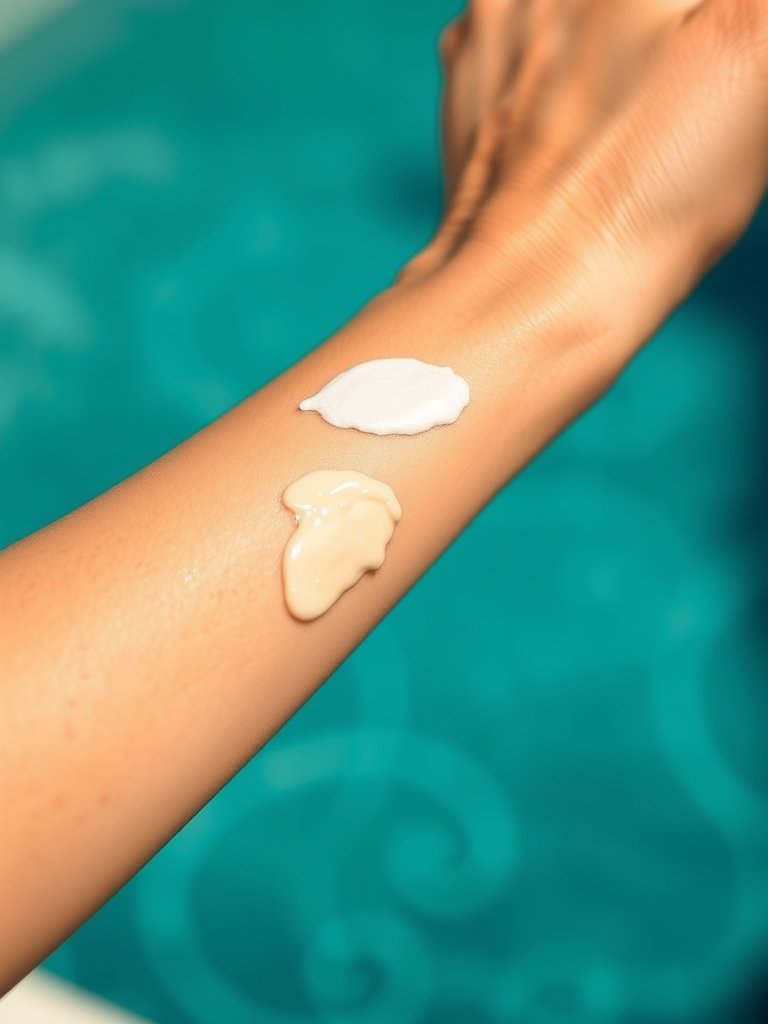
For an extra-glowy finish, those with dry skin can pair a hydrating sunscreen with a barrier repair moisturizer underneath. For oily skin, try a tinted sunscreen for oily skin to cut down on makeup and keep shine at bay. If you’re tackling dullness, see how a glass skin routine works with your daily SPF.
And if you’re worried about skin cycling or retinol use, you can find ways to coordinate your sunscreen with your skin cycling routine for max results without extra irritation.
Pitfalls to Avoid & Advanced Sunscreen Insights
Even with perfect intentions, it’s easy to slip up on sunscreen. Here’s what often goes wrong and how to fix it:
- Wrong texture for your needs:
- Gel sunscreens might flake or pill on very dry skin, while creams can suffocate oily types and trigger breakouts.
- Skipping reapplication: Protection fades in 2 hours, faster if you’re sweating or swimming—even with water-resistant types.
- Choosing by “natural” or influencer appeal, not science: Not all “clean” products are right for sensitive skin, and plant oils can clog pores if you’re acne-prone.
- Overlooking tinted sunscreens: Those with melasma or dark spots miss visible light protection by not using tints with iron oxide[5].
- Discontinuing use due to white cast, stinging, or poor finish: Many abandon sunscreen when it looks weird under makeup or leaves a noticeable cast—a reason why powder or stick touch-ups exist, but the first layer still matters most.
| Skin Type | Best Formulation | Ingredients to Avoid | Recommended SPFs |
|---|---|---|---|
| Oily/Acne-Prone | Oil-free gel or fluid; non-comedogenic; zinc oxide, niacinamide | Heavy oils, comedogenic ingredients | 30–50+ |
| Dry/Sensitive | Cream-based mineral; ceramides, hyaluronic acid, titanium dioxide, fragrance-free | Alcohol, fragrance, chemical filters (for very sensitive skin) | 30–50+, higher indoors for pigmentation |
| Hyperpigmentation | Tinted mineral (with iron oxides), paired with hydration | Untinted (won’t block visible light), drying alcohols | 50+ |
Mineral vs. chemical sunscreens? For sensitive skin or young children, opt for fragrance-free mineral formulas. But if your main hangup is chalkiness or thick feel, you might realistically reach for clear chemical sunscreens with proven safety records instead. As for user complaints, the scientific community notes most sunscreen failures come down to poor aesthetics—the look or feel on skin leads people to avoid reapplication or skip it altogether[4].
Don’t forget: Only a quarter of commercially available sunscreens have been found highly effective in third party analyses[6]. Stick to those with clear “broad spectrum SPF 30+” and ingredient lists tailored to your skin’s needs.
Want to maximize your routine? Try adding a skin longevity supplement for synergistic protection and glow, or reinforce your barrier with a body skin barrier repair routine if dryness or irritation is a theme.

Conclusion
Your sunscreen isn’t just a summer accessory—it’s the core of any routine that wants real results for protection and glow. For the best skin outcomes, pick formulas that are tailored to your skin’s own needs, from oil-free fluids for acne-prone types to creamy, ceramide-rich options for sensitivity. Don’t forget about advanced options, like tinted mineral SPFs for stubborn pigmentation. No matter what, best sunscreens for every skin type demand daily, consistent application to truly work. Choose smart, use faithfully, and your skin will reward you. Ready to try a new formula? Start exploring what fits your skin type best today.
Frequently Asked Questions
What’s the difference between mineral and chemical sunscreens?
Mineral sunscreens use zinc oxide or titanium dioxide to physically block UV rays on the skin’s surface—they start working instantly and rarely cause irritation. Chemical sunscreens use organic compounds that absorb UV and convert it to heat. Both protect well if broad-spectrum, but mineral is usually best for sensitive or allergy-prone skin.
Can oily or acne-prone skin use sunscreen every day?
Absolutely. Choose oil-free, non-comedogenic sunscreens (often gel or fluid textures) with zinc oxide or niacinamide. These provide daily sun protection without clogging pores or creating extra shine.
Is SPF 30 enough, or should I go higher?
SPF 30 is considered the minimum; it blocks about 97 percent of UVB rays. For deeper skin tones, pigmentation issues, or if you’re often indoors by windows, consider SPF 50+ for extra protection and reapply regularly.
Do tinted sunscreens really help with dark spots?
Yes—tinted mineral sunscreens with iron oxides also block visible light, which is a major trigger for hyperpigmentation and melasma. They’re especially helpful for those looking to limit dark spots or discoloration.
How should I build my skincare routine around sunscreen?
Apply sunscreen as your last skincare step before makeup—right after serum and moisturizer. For drier skin, use a barrier-boosting moisturizer underneath. For oily types, stick to lightweight hydration.