

Introduction
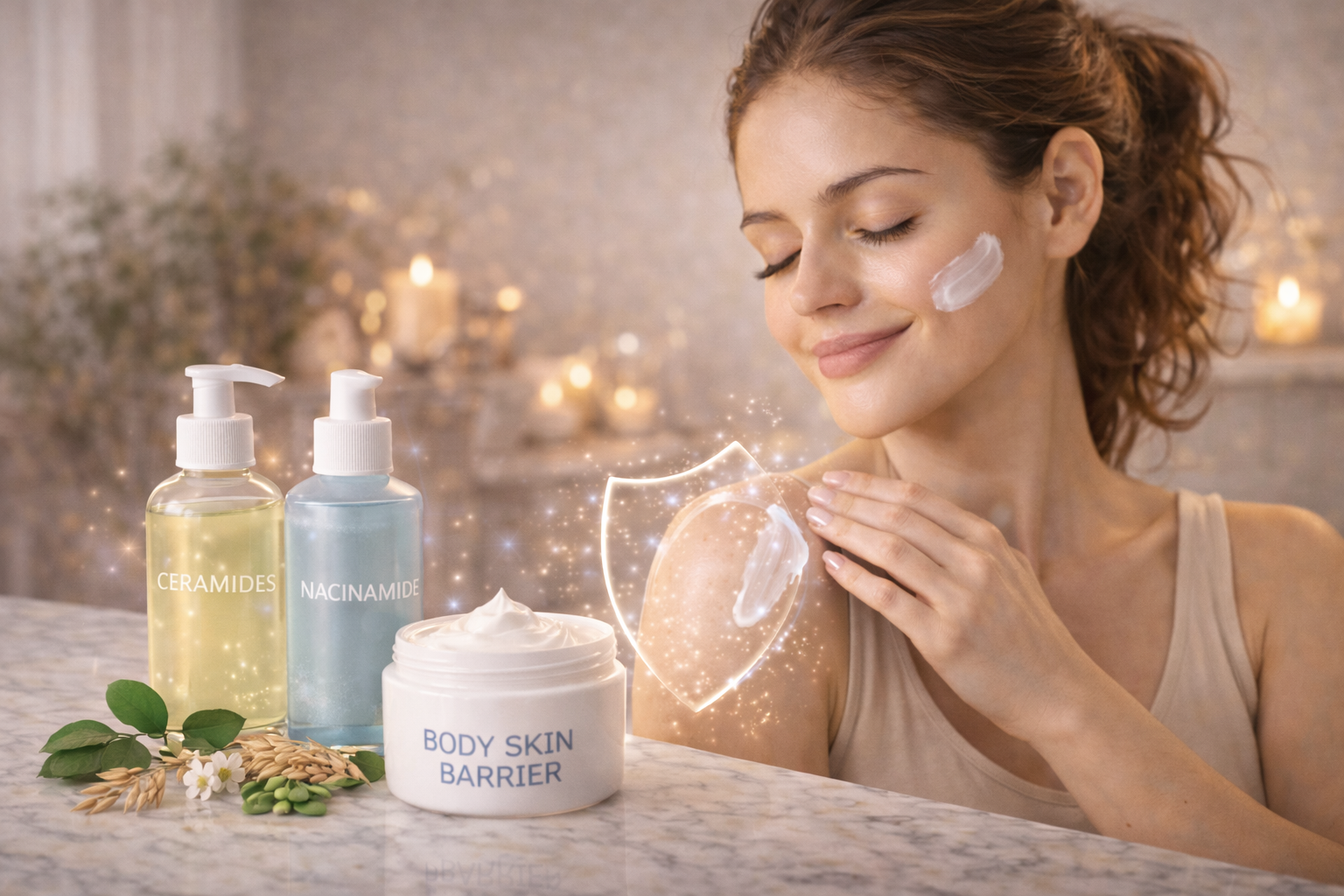
Body skin barrier health is more than skin deep. It’s the frontline defense that keeps moisture in and irritants out. When it’s damaged, your skin becomes dry, itchy, inflamed, and more prone to conditions like eczema. But repairing it requires more than just slapping on any cream — you need a science-backed strategy that works.
Key Takeaways
- The body skin barrier plays a crucial role in preventing moisture loss and external irritation.
- Effective repair creams include ingredients like ceramides, panthenol, prebiotics, and white petrolatum.
- Long-term results, product efficacy by damage type, and individual skin variability are often overlooked but essential.
Table of Contents
- What is the Body Skin Barrier and Why It Matters
- How to Repair Your Body Skin Barrier: Step-by-Step
- Advanced Insights and Common Pitfalls
- Conclusion
- FAQs
What is the Body Skin Barrier and Why It Matters
Your body’s skin barrier, scientifically known as the stratum corneum, is composed of corneocytes (skin cells) embedded in layers of lipids. These lipids — including ceramides, cholesterol, and fatty acids — form a protective shield.

When disrupted by over-exfoliation, environmental stress, or harsh detergents, the barrier lets vital water escape (called TEWL: transepidermal water loss) and allows irritants and allergens in. This leads to dryness, inflammation, and flare-ups of chronic conditions like eczema.
The barrier functions two ways — inside-out (retaining moisture) and outside-in (repelling irritants). Studies confirm that dermabrasion increases TEWL by nearly 6 times, showing how much damage can escalate water loss and sensitivity. [source]
How to Repair Your Body Skin Barrier: Step-by-Step
Step 1: Pause All Harsh Treatments
Stop using scrubs, strong acids (AHA/BHA), drying soaps, or retinoids until barrier repair begins. These increase TEWL and irritate already compromised skin.
Step 2: Choose a Biomimetic Moisturizer
Research shows that biomimic moisturizers — those that mimic natural skin composition — are more effective. Look for ceramides and hyaluronic acid formulas such as those studied in the ongoing NCT06750653 trial. These help rebuild lipid layers, attract hydration, and are well tolerated across age ranges.
Step 3: Apply Occlusives like Petrolatum at Night
Classics like white petrolatum (Vaseline) prevent moisture loss by forming a barrier on top. They’re especially effective overnight when applied in a thin layer over moisturizers.
Step 4: Support Microbiome Health
Prebiotics paired with panthenol have shown significant success in boosting stratum corneum moisture [source]. These support your skin’s natural process and reduce inflammation.
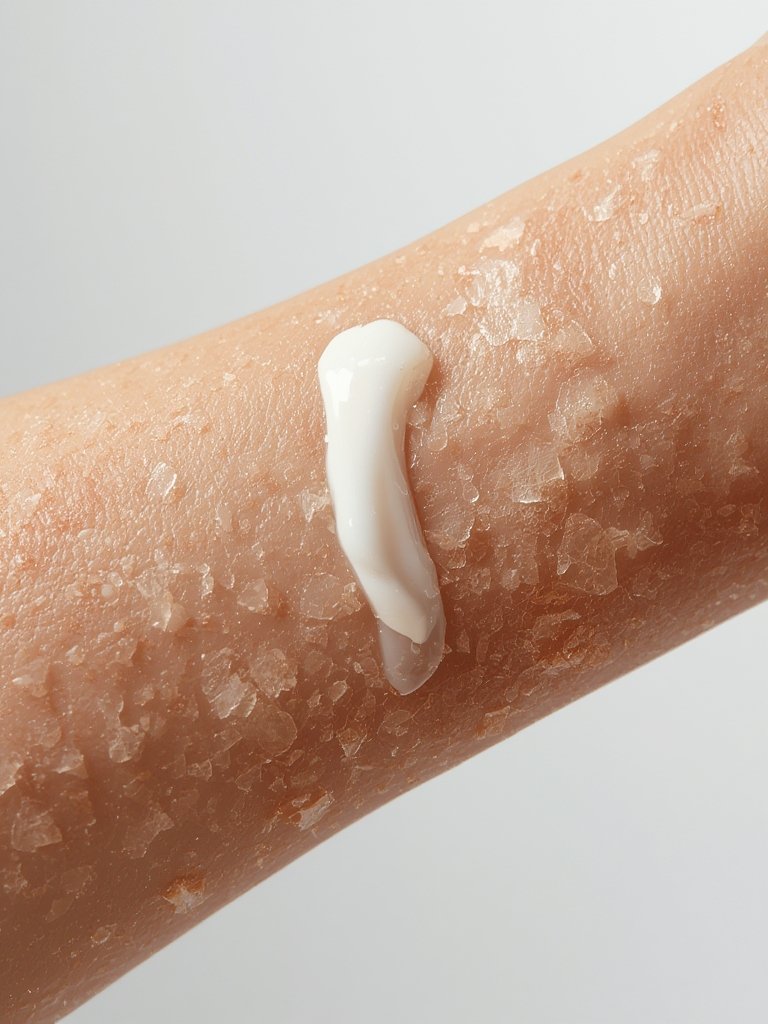
Step 5: Protect from Environmental Stressors
Wear breathable clothing, avoid long hot showers, reduce exposure to UV and pollution, and use hypoallergenic laundry detergents to avoid barrier triggers.
Step 6: Be Consistent for at Least 4–8 Weeks
Barrier recovery isn’t instant. While many studies measure results between 4 and 8 weeks, real-world timelines vary based on age, damage severity, climate, and lifestyle.
Consider pairing your routine with complementary practices like a barrier repair moisturizer strategy or adding skin supplements to support the process internally.
Advanced Insights and Common Pitfalls
Problem: Not Matching Product to Type of Barrier Damage
Mechanical damage from shaving or exfoliation needs gentler protection than chemical damage (e.g., surfactant overuse). That’s why some treatments fail — they’re not targeted for the specific issue.
Problem: Not Addressing Age and Skin Type Variability
Older adults, for example, show slower recovery due to reduced lipid production and thinner stratum corneum. Clinical trials are now investigating products like Cerave vs. Vaseline for these groups. [source]
Common Pitfall: Expecting Quick Fixes
Many articles recommend “overnight repair” remedies — but real healing takes time. Lack of visible improvement in a few days leads people to stop using products prematurely.
Comparison Table: Ingredient Effectiveness Based on Damage Type
| Ingredient | Best For | Evidence |
|---|---|---|
| Ceramides | Dry, aged, sensitive skin | Ongoing clinical study |
| Panthenol + Prebiotics | Post-exfoliation, microbiome repair | Clinical data 2024 |
| Petrolatum | Post-procedure, friction damage | Traditional use confirmed in trials |
| Long-term sensitive skin repair | Long-term sensitive skin repair | Wiley Dermatological Review |

Conclusion
Don’t guess. Follow an evidence-based approach and monitor your progress carefully. Ready to build a stronger, healthier skin barrier from head to toe? Start with this guide to discover the right moisturizer and technique for your skin type.
FAQs
What causes body skin barrier damage?
Common causes include over-exfoliation, harsh soaps, low humidity, hot showers, UV exposure, and certain medications.
How long does it take to repair the body skin barrier?
Most people see improvements in 4 to 8 weeks with consistent use of barrier-focused products and avoidance of triggers.
How do I know if my skin barrier is damaged?
Typical signs include redness, flaking, tightness, itching, and sensitivity to products that normally don’t cause irritation.
Can I use body barrier creams alongside exfoliants?
Only after your barrier is healed. Otherwise, introduce exfoliants gently using systems like a skin cycling routine.
Which ingredients should I look for in a body barrier cream?
Look for ceramides, hyaluronic acid, panthenol, prebiotics, petrolatum, and PEA-based biomimic ingredients.