


Introduction
At home microneedling is quickly becoming one of the most searched skincare treatments in 2024. As affordable versions of microneedling pens flood the market, consumers are eager to reduce fine lines, fade acne scars, and boost collagen—all without a clinic visit. But is it worth the hype? In this guide, we cut through the noise and reveal exactly how to do microneedling at home safely and effectively.
Key Takeaways
- At-home microneedling devices now make up 15% of the global microneedling market, with rapid growth expected through 2030.
- Professional microneedling sessions cost $200 to $800, making DIY pens a more affordable alternative—but users must prioritize hygiene and safety.
- The most common mistakes with at-home devices include overtreatment, wrong needle length, and skipping post-care routines.
Table of Contents
- Introduction
- What is At-Home Microneedling?
- How to Microneedle at Home: Step-by-Step
- Common Pitfalls & Realistic Insights
- Conclusion
- FAQs
What is At-Home Microneedling?
At-home microneedling involves using a device—often a derma roller or automated pen—equipped with fine needles to create micro-injuries on the surface of the skin. These tiny punctures stimulate the skin’s natural healing response, resulting in increased collagen, tighter skin, and improved texture over time.
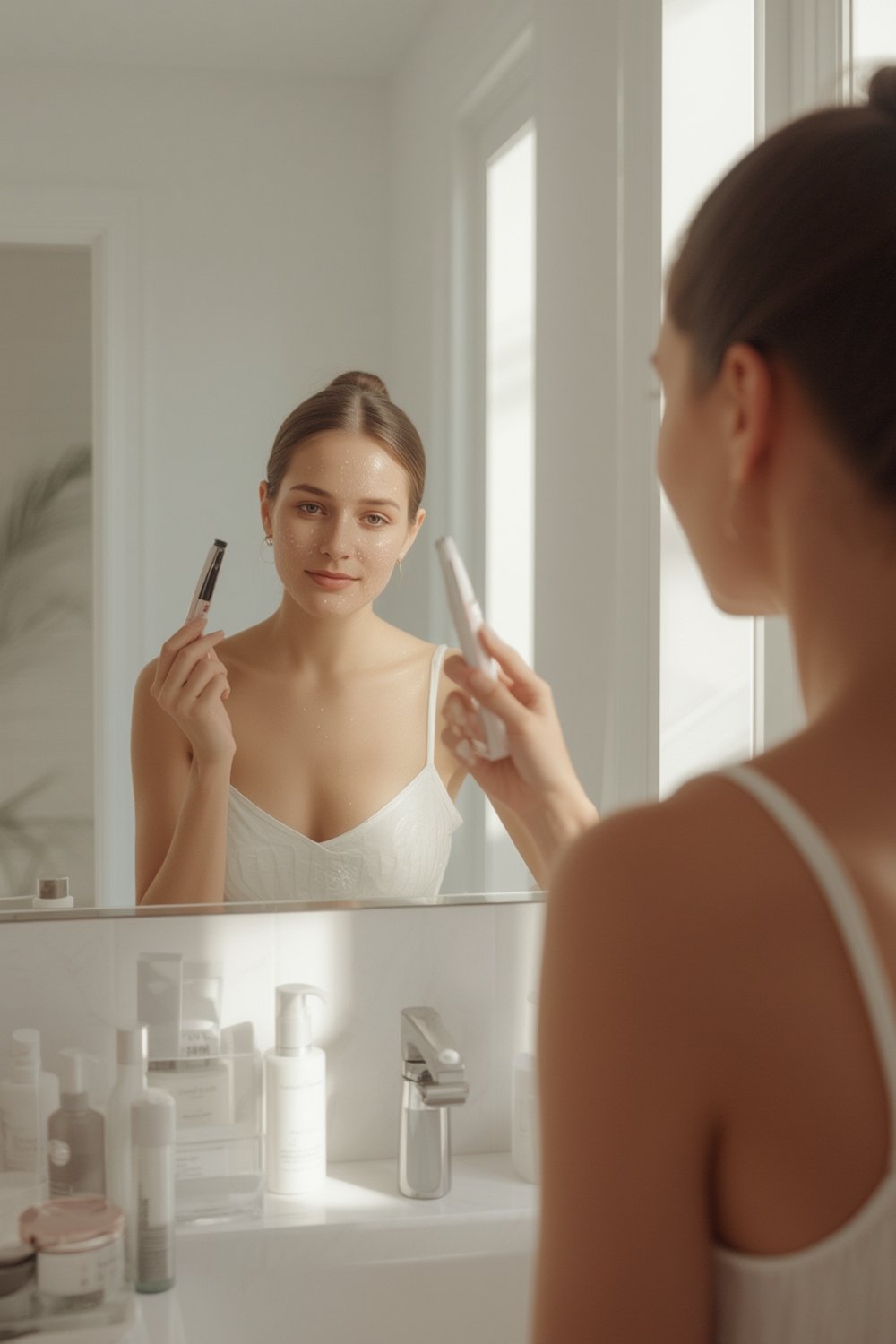
As of 2024, at-home devices make up an estimated 15% of the global microneedling market, thanks to more affordable pricing and safer design innovations. Brands are introducing disposable microneedle cartridges, pre-sterilized tips, and adjustable-depth pens that bring professional sophistication into your bathroom. When used correctly, these tools can significantly reduce signs of aging and fade scars—but incorrect use can also damage the skin.
Want to get the most out of your device without risking irritation or long-term damage? Here’s how to do it right.
How to Microneedle at Home: Step-by-Step
This workflow assumes you’re using an automated derma pen with replaceable, sterile cartridges. Manual rollers can follow a similar process, though results may be slower.
- Cleanse Thoroughly: Use a gentle, non-exfoliating cleanser to wash your face. Remove all makeup, oils, and SPF.
- Disinfect Your Device: Soak cartridges or needles in 70% isopropyl alcohol for 5 minutes. Let them dry completely before use.
- Apply Numbing Cream (optional): For needle depths above 0.5 mm, apply numbing cream. Wait 20–30 minutes, then remove it completely.
- Microneedling Begins: Work in small zones. Glide the device in horizontal, vertical, and diagonal patterns. Avoid going over the same section more than 2 times.
- Sterilize Your Device Again: Disinfect cartridge immediately post-use. Never reuse unsterilized tips.
- Apply a Calming Serum: Use a hydrating and anti-inflammatory serum with hyaluronic acid or peptides. Avoid actives like retinol or AHA/BHA acids for at least 48 hours.
- Post-Treatment Hygiene: Use a clean pillowcase, avoid sun exposure, sweating, or makeup for 24–48 hours.
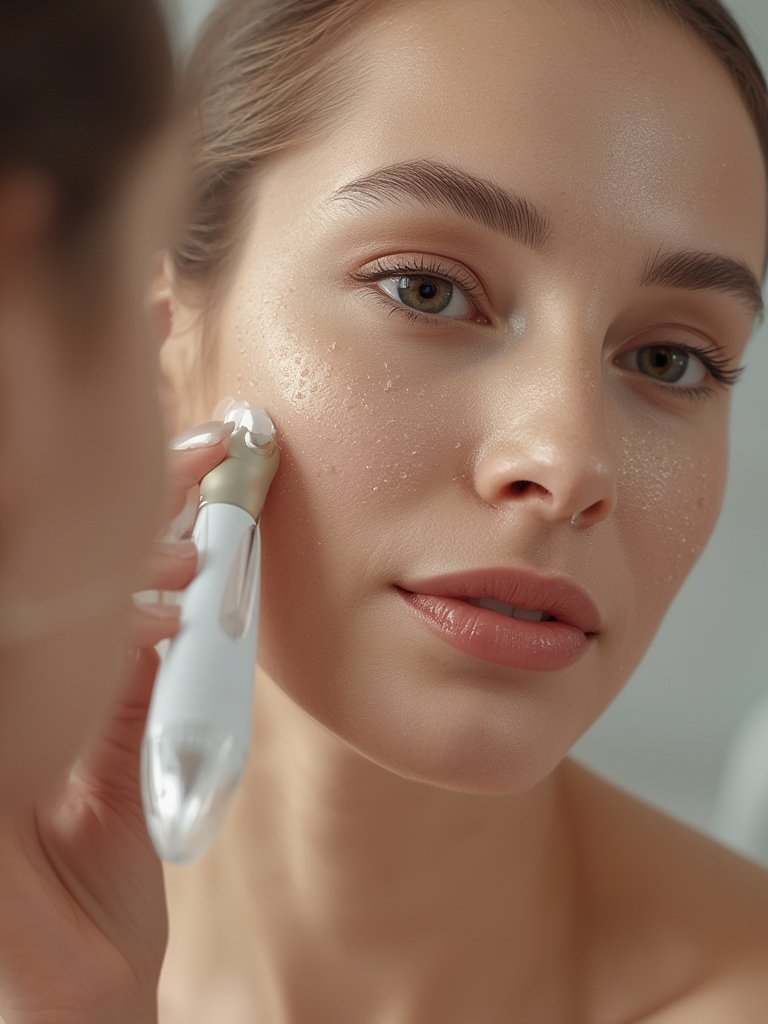
Looking to maximize glow post-treatment? Add a hydration layering routine that includes humectants, emollients, and skin barrier protectants.
Common Pitfalls & Realistic Insights
While home microneedling is more affordable than spa sessions, improper use can backfire. Here are the most common mistakes users make—plus tips to avoid them.
| Common Mistake | Why It’s a Problem | Fix |
|---|---|---|
| Using Long Needles Without Training | Can cause scarring or infection | Stick with under 1.0 mm depths at home |
| Reusing Disposable Cartridges | Creates high infection risk | Use a new cartridge every session |
| Applying Harsh Products Post-Treatment | Damages compromised skin barrier | Use calming-only ingredients for 48h |
| Microneedling Too Often | Prevents skin from healing properly | Wait 10–14 days between sessions |
Don’t expect at-home devices to deliver the same effects as clinical treatments with RF or LED-enhanced pens. Professional tools penetrate deeper and are operated under sterile conditions. That said, consistency and correct usage at home can offer visible improvements over time for fine lines or shallow scars.
Curious about how microneedling compares to other skin tools? See how devices like LED therapy masks complement needling treatments for collagen support.

Conclusion
With the right tools, clear protocol, and patience, at home microneedling can be a game-changer for collagen production and skin clarity. But this is not a treatment to jump into blindly. Stick to shallow depths, sterilize religiously, and give your skin time to heal.
Ready to elevate your results? Pair your sessions with a simple skin cycling routine to balance exfoliation and recovery. Or learn how to rebuild your skin barrier post-treatment for faster healing.
Explore our expert-backed guides to build a smarter skincare protocol from the comfort of your home.
FAQs
How often can I do at-home microneedling?
Every 10 to 14 days is usually safe for needle lengths under 1.0 mm. Always allow full healing first.
Can at-home microneedling treat acne scars?
Mild-to-moderate acne scars may fade over time with consistent treatment. Deeper or pitted scars respond better to professional RF microneedling.
Is it okay to microneedle over active acne?
No. Avoid microneedling over active breakouts as it risks spreading bacteria and triggering inflammation.
Can I use retinol after microneedling?
Wait at least 48 hours before applying retinol or chemical exfoliants. Your skin needs time to recover.
[…] common application mistakes, and integrate patches thoughtfully into your nighttime skincare or microneedling regime. Keep in mind that no patch replaces sleep or systemic hydration—think of them as a supplement, […]