

Introduction
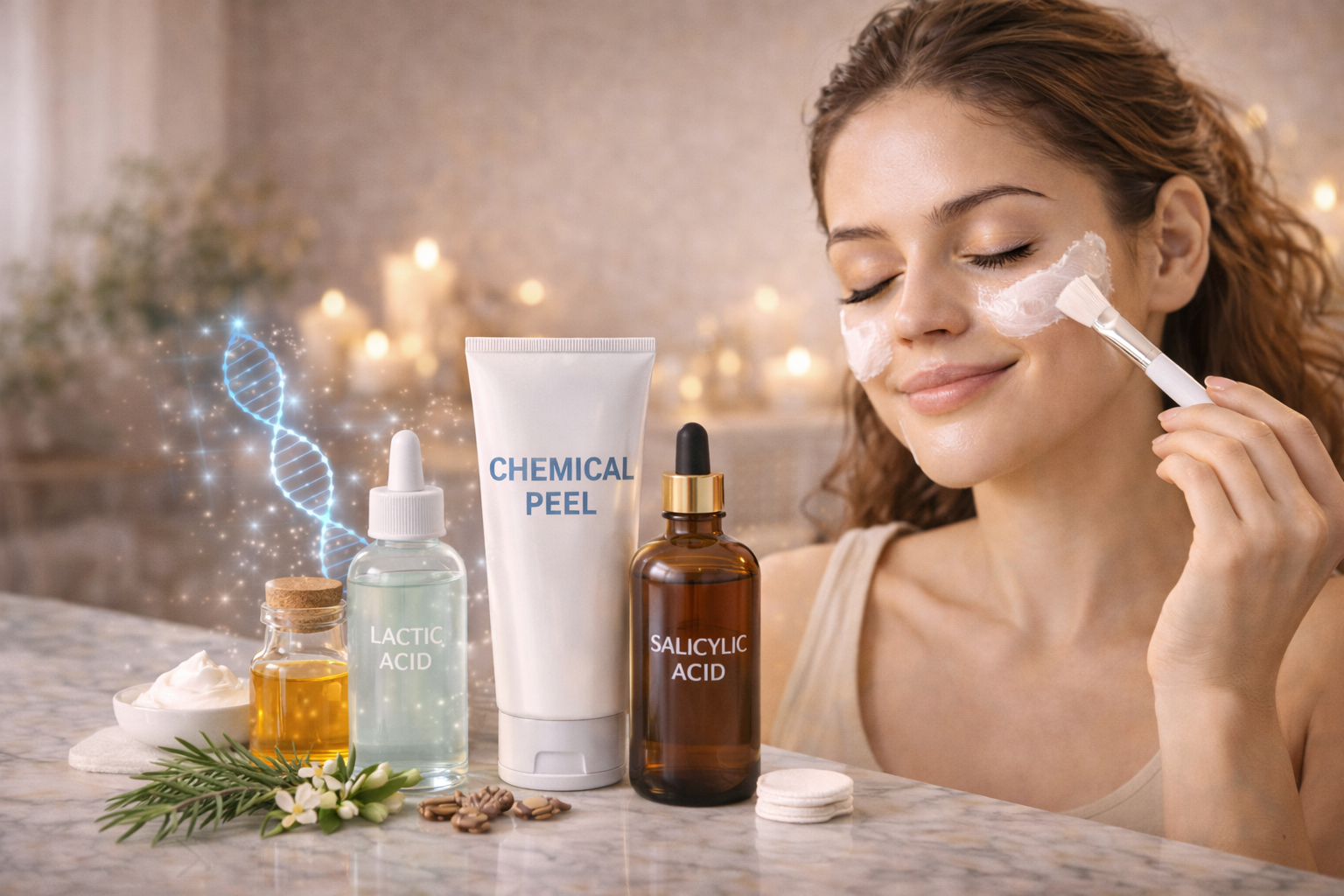
At home chemical peel kits are becoming the go-to option for those seeking smoother, clearer skin without the med-spa price tag. These DIY treatments promise professional-like results using mild acids, but are they truly worth it—and safe?
Key Takeaways
- At-home chemical peels are designed with low-acid concentrations (<15%) to exfoliate skin safely with minimal downtime.
- Common mistakes include overuse, ignoring prep routines, and misunderstanding acid types (AHA vs. BHA).
- They’re budget-friendly compared to professional peels ($150-$6,000), but results require consistency and safety.
Table of Contents
- Introduction
- What Is an At Home Chemical Peel?
- How to Use an At Home Chemical Peel: Step-by-Step
- Safety, Risks & Common Mistakes
- Conclusion
- FAQs
What Is an At Home Chemical Peel?
At-home chemical peels are exfoliating treatments using low concentration alpha hydroxy acids (AHAs) or beta hydroxy acids (BHAs) to remove dead skin cells, stimulate renewal, and improve skin clarity. Unlike professional peels used in dermatology offices or med-spas, at-home alternatives typically contain less than 15% of active acids like glycolic, lactic, mandelic, or salicylic acid.
They’re particularly good for dealing with surface-level concerns such as dullness, uneven texture, mild acne, or early signs of aging. Because they are more accessible and affordable, you’ll find them in D2C brands or subscription models aimed at modern skincare users.
The rise in post-2020 skincare awareness, social media tutorials, and ingredient transparency have all contributed to their surge in popularity, projected to help the chemical peel market surpass USD 3.45 billion by 2030.
How to Use an At Home Chemical Peel: Step-by-Step
Done right, an at-home peel can be a powerful way to brighten, smooth, and refresh your skin. Follow this 6-step method to minimize risk and maximize results.
- Prep your skin: Stop retinol or other actives 2-3 days prior. Use a gentle cleanser and skip exfoliants the day before.
- Patch test: Apply a small amount to your jawline 24 hours in advance to rule out irritation or allergy.
- Apply peel: Use a fan brush or clean fingers. Avoid eyes, lips, nostrils. Set a timer as per product instructions (usually 1-10 mins).
- Rinse thoroughly: Use lukewarm water. Do not scrub or use hot water.
- Moisturize: Use a barrier repair moisturizer immediately after.
- Recover with care: No exfoliation for at least 3 days. Use SPF 30+ every day.
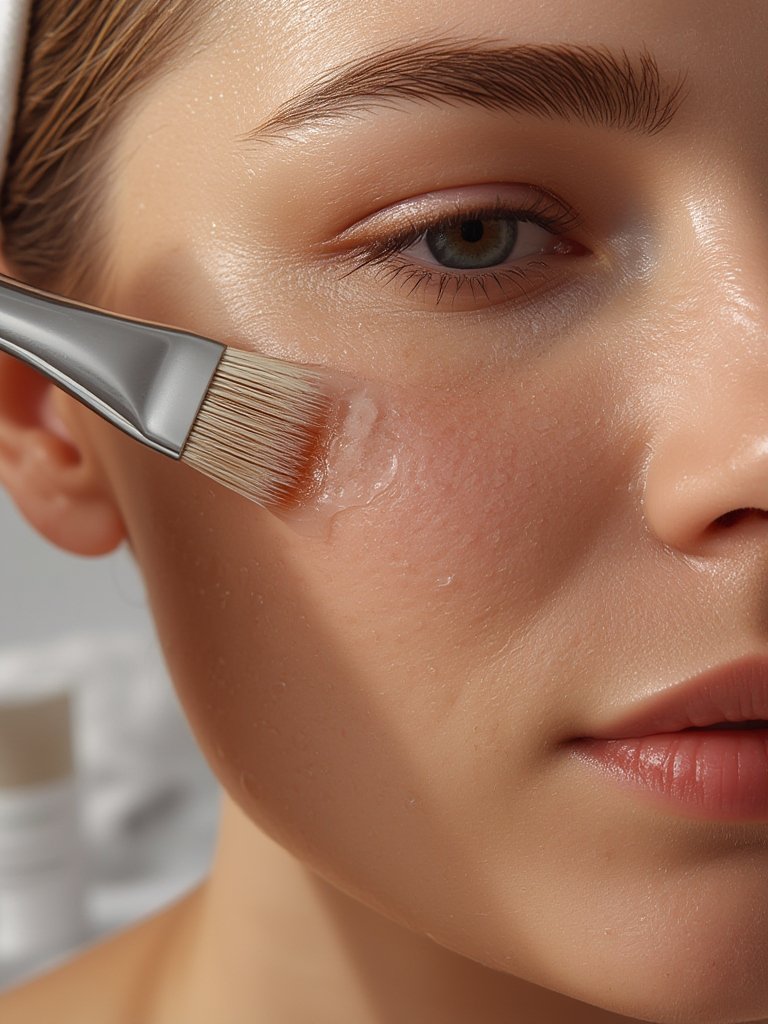
For oily or acne-prone skin types, a BHA peel like salicylic acid is ideal. It penetrates deeper into pores thanks to its oil-soluble nature. For dry, textured, or dull skin, AHAs like glycolic or lactic acid work best by dissolving dead skin bonds on the surface.
If you’re targeting more advanced skincare routines or treatments, consider combining this approach with LED light therapy or alternate weekly with gentle retinol alternatives.
Safety, Risks & Common Mistakes
Even with diluted acids, at-home chemical peels are not risk-free. Users often report side effects due to improper use, unsupervised ingredient mixing, or ignoring epiderma health signals. Here are the most reported issues:
- Chemical burns: Leaving peels on for too long or using high concentrations not intended for home use.
- Post-inflammatory hyperpigmentation: Especially common in deeper skin tones without prior patch testing or sunscreen.
- Barrier damage: Failing to moisturize or using exfoliants too frequently.
Here’s a comparison of at-home versus professional treatments:
| Feature | At Home Peel | Professional Peel |
|---|---|---|
| Acid Concentration | <15% | 15%–70% |
| Cost | $30–$120 | $150–$6,000+ |
| Downtime | Minimal | Moderate to High |
| Effectiveness | Gradual results | Fast, deeper change |
| Supervised? | No | Yes |
Nonetheless, these peels are a viable option if you’re looking for something preventive and budget-friendly. As industry reports suggest, the shift in consumer skincare literacy is paving the way for safer at-home solutions supported by simplified routines and recurring usage models.

Conclusion
The surge in popularity of the at home chemical peel trend reflects a growing demand for results-driven skincare that doesn’t break the bank. With lower acid concentrations and increased availability, these products offer a great solution for maintaining glow and clarity. But with great acid power comes great responsibility—always patch test, follow instructions, and prioritize recovery.
Ready to take your skin health to the next level? Start small and check out complementary routines like glass skin or safe exfoliation using the skin cycling method.
FAQs
Can I use an at-home peel with retinol?
Not on the same day. Wait at least 2–3 days between a chemical peel and retinol use to avoid overstimulating your skin.
How often should I use a chemical peel at home?
Typically once a month for beginners. As your skin builds tolerance, you may increase to every 2 weeks depending on your skin type.
Are at-home peels effective for acne?
Yes, especially BHA peels (like salicylic acid), which help unclog pores and reduce inflammation. However, results are gradual and require consistency.
What’s the difference between AHA and BHA?
AHAs (like glycolic, lactic acid) exfoliate the skin surface—great for dullness and dryness. BHAs (like salicylic acid) go deeper into pores, ideal for acne and oily skin.
Can at-home peels cause scarring?
Yes, if misused—especially if applied for too long or without proper aftercare. Always follow instructions and never use on broken or irritated skin.