
leave in conditioner vs hair oil for frizzy hair is a question many ask when searching for a truly effective frizz-control routine. If you’re tired of puffiness, limp strands, or disappointing results, understanding which solution fits your hair type—and why—can save you money and frustration. Here’s how to get it right.
Key Takeaways
- Leave-in conditioners and hair oils fight frizz differently—hydration and detangling vs. shine and external smoothness.
- Most high-frizz, dry, and curly hair benefits more from leave-in conditioners for manageability and lasting texture improvements.
- Blending the two, or layering with a serum, can curb pitfalls like greasiness or ineffectiveness, especially in humidity.
- What’s the Difference—and Why It Matters
- How to Choose & Use: Step-by-Step Guide
- Advanced Analysis & Common Pitfalls
- Conclusion: What Works Best?
- Frequently Asked Questions
What’s the Difference—and Why It Matters
Leave-in conditioners and hair oils sound similar but work on frizzy hair in fundamentally different ways. Here’s what sets them apart—and why it matters when chasing smooth, manageable hair.
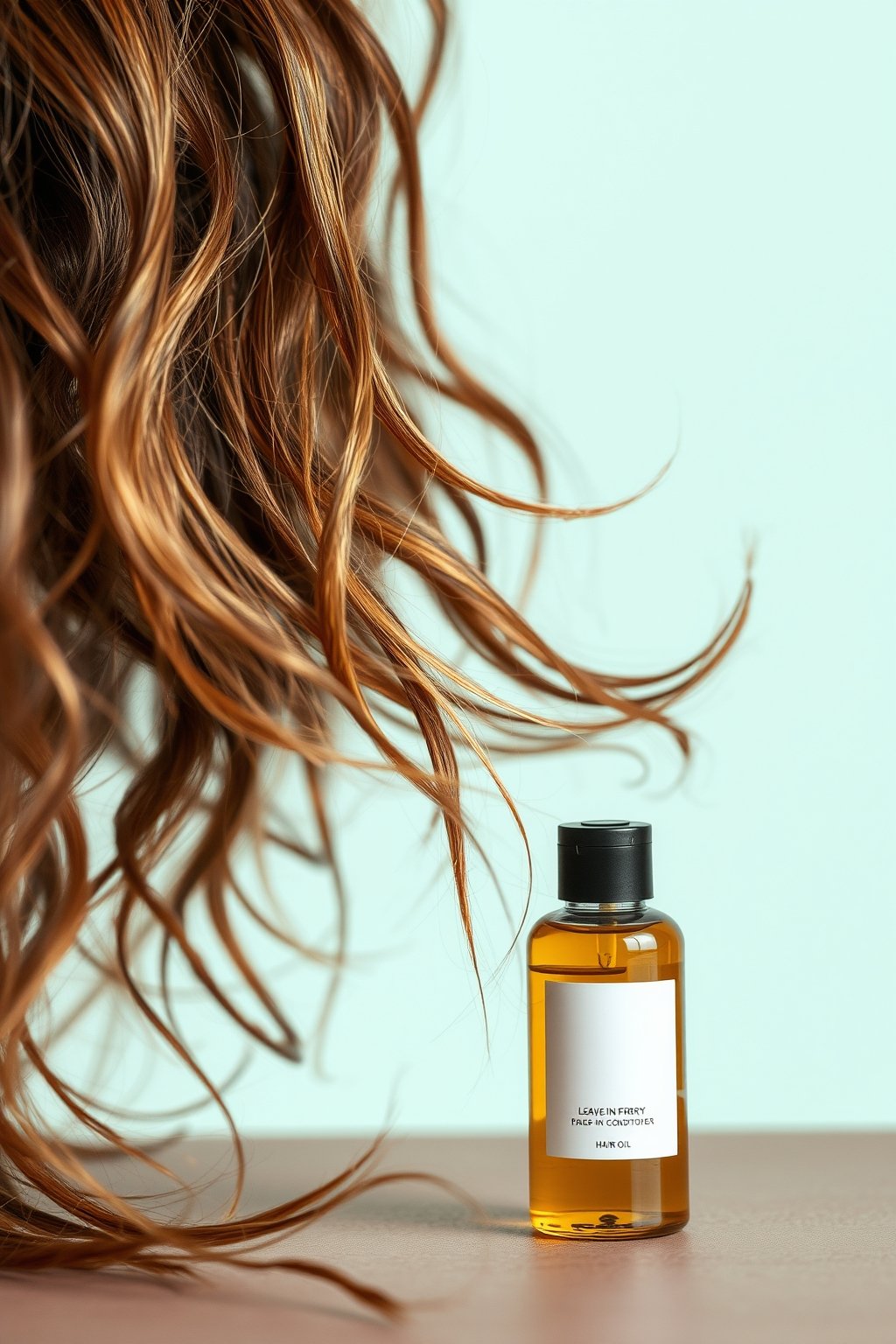
Leave-in conditioners are generally water-based, containing hydrating agents, film-formers, detanglers, and sometimes lightweight oils or silicones. They’re designed to penetrate and smooth the cuticle, offering longer-lasting softness and lowering frizz by managing internal moisture balance. According to scientific reviews (PubMed/NIH), ingredients like cationic surfactants and polymers actually bind to damaged spots in fibers, delivering true conditioning.
Hair oils, on the other hand, are blends of plant or synthetic oils. They excel at coating each strand’s surface, trapping moisture inside, and boosting shine—but with limited detangling or deep conditioning. Specific penetrating oils such as coconut oil offer some structural benefits (Rele & Mohile 2003), but many mainstream hair oils mostly smooth at the surface. For people with fine or easily weighed-down hair, overuse is a real risk.
Notably, frizz is often humidity-driven. Leave-in conditioners—especially those with silicones, cationics, and polymers—form a more humidity-resistant barrier than oils alone, as demonstrated in major cosmetic science texts (PubMed). For severe, porous, or highly curly hair, leave-ins typically outperform oils on softness, combability, and day-two texture.
Hair oil, though, can be a perfect finishing touch, especially on coarse or low-porosity hair where frizz is mostly external—not internal dryness.
How to Choose & Use: Step-by-Step Guide
Step 1: Identify Your Hair Type and Needs
Is your hair coarse or fine? Porous and damaged, or smooth and stubborn? Start by examining your texture and frizz source:
- If your hair is rough, dry, breaks easily, or is colored/bleached, leave-in conditioner is almost always your best foundation.
- If you have straight or wavy, relatively healthy hair prone to flyaways, a lightweight oil or serum may give enough polish.
- Highly porous and curly/coily hair? Double up: use leave-in for hydration, oil or serum for sealing shine.
Step 2: Pick Ingredients Backed by Science
- Look for amodimethicone or behentrimonium chloride in a leave-in for best-in-class anti-frizz power (PubMed review).
- If you prefer oils, consider coconut oil for damaged hair, or cyclopentasiloxane-based serums for surface smoothing.
- Avoid heavy butters and sticky humectants if your hair is fine or your climate is humid—they can cause limpness or even more puff.
Step 3: Application for Best Results
- Apply leave-in conditioner to towel-dried, damp hair, focusing from mid-length to ends. Detangle while wet to minimize breakage.
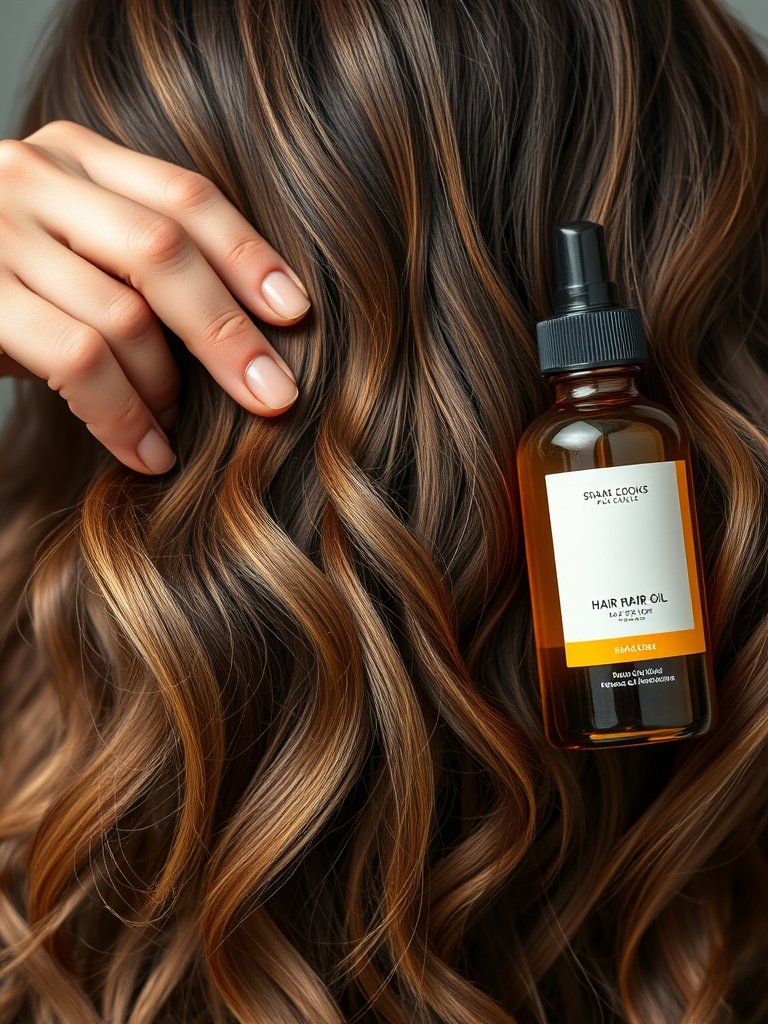
- Add oil or serum sparingly as a final step, just to the outermost layer.
- If layering, always go “hydrating (leave-in) before sealing (oil/serum)” for maximum benefit without buildup.
Step 4: Adjust According to Weather and Wash Cycle
- In high humidity, avoid leave-ins with high glycerin unless paired with powerful film-formers.
- After intense exercise or sweat, wash hair more frequently to avoid buildup from repeated product layering.
Step 5: Fine-Tune with Professional Products
- If you struggle with both frizz and thinning, see the hair thinning repair routine guide for a broader strategy.
- Struggling with scalp issues causing frizz? Check the scalp skin barrier repair guide for targeted solutions.
Advanced Analysis & Common Pitfalls
Even with the right product, these common traps can sabotage your results with both leave-in conditioner and hair oil routines:
| Issue | Leave-in Conditioner | Hair Oil |
|---|---|---|
| Buildup/Residue | Can accumulate with heavy silicones, quats, or incompatible layering. Risk of dullness after a few washes. | Oil residue resistant to standard shampoos, especially with mineral or heavy plant oils. |
| Greasy or Flat Appearance | Heavy formulas or overapplication weigh down fine, straight hair. | Very common if too much oil or used close to the root, especially on thin hair. |
| Poor Performance in Humidity | Leave-ins with too much glycerin or light hydration can backfire in damp climates. | Oils alone rarely prevent humidity-induced frizz reversion for porous or highly curly hair types. |
| Limited Long-term Conditioning | If too “light,” may not manage frizz for ultra-dry or damaged hair. | Most oils offer shine and slip, but negligible real conditioning past wash day. |
| Transfer and Staining | Rare, but possible with formula layering. | More common; oils can stain fabrics or pillows, especially at night. |
| Cost/Value | Drugstore leave-ins often outlast (and outperform) prestige oils for daily frizz management. Multifunctional. | Small, expensive bottles offer mostly shine; less economical if used daily. More on value below. |
Most complaints and negative reviews cluster around product buildup, hair feeling flat/greasy, or lack of real frizz control by day two. Tweaking your routine—with science-backed ingredients and realistic application—prevents most issues (see further research at PubMed).
For users seeking a deeper fix, consider how leave-in ingredients beat oils on internal hydration—but the perfect combo may involve both. You can get even more practical hacks for choosing effective products in this leave-in conditioner guide and for hair oil routines via this hair oiling routine guide. For budget guidance, see the table below:
| Product Type | Typical Price Range | Price per Ounce | Key Benefits | Best For |
|---|---|---|---|---|
| Drugstore Leave-In Conditioner | $5–$15 (4–12 oz) | $1–$3/oz | Hydration, detangling, frizz-block, heat protection | Most dry, frizzy, or curly hair types |
| Salon/Prestige Leave-In | $18–$45 (3–8 oz) | $6–$14/oz | Enhanced conditioning and humidity defense | Bleached, porous, or high-maintenance hair |
| Drugstore Hair Oil | $7–$18 (1.5–6 oz) | $3–$12/oz | Shine, surface smoothness, sealed ends | Coarse or healthy hair needing polish |
| Prestige Hair Oil | $25–$60+ (1–3 oz) | $18–$60/oz | Luxury scent, slick shine, lightweight finish | Beauty enthusiasts or as a special-topper |
For a treatment that does both conditioning and finishing, anti-frizz serums—rich in silicones and lightweight oils—offer strong surface frizz control and shine. Still, they lack the day-to-day manageability boost of a real leave-in.
For more on boosting your hair from wash to finish, explore these guides: