

Protein hair mask treatments have quickly become a go-to solution for repairing damaged hair, but how well do they stack up against new bond repair masks like Olaplex or traditional deep conditioning routines? Here’s what you need to know for real, lasting hair improvement.
Key Takeaways
- Consistent use of protein hair masks can reduce breakage by up to 50% and improve hair resilience, but overuse may lead to stiff, brittle strands.
- Bond repair masks like Olaplex target broken bonds inside the hair shaft, while protein masks replenish lost structural proteins for strength and elasticity.
- Selecting the right mask and use frequency based on your hair type is critical to avoid protein overload and achieve the best repair results.
- What Is a Protein Hair Mask & Why Use One?
- How to Use a Protein Hair Mask: Step-by-Step Guide
- Advanced Analysis & Common Pitfalls
- Conclusion
- FAQ
What Is a Protein Hair Mask & Why Use One?
Protein hair masks are intensive treatments designed to strengthen hair by replenishing keratin and amino acids lost during chemical processing, heat styling, or everyday damage. These masks work by delivering hydrolyzed proteins, peptides, or collagen directly into the hair shaft, temporarily rebuilding strength and elasticity.
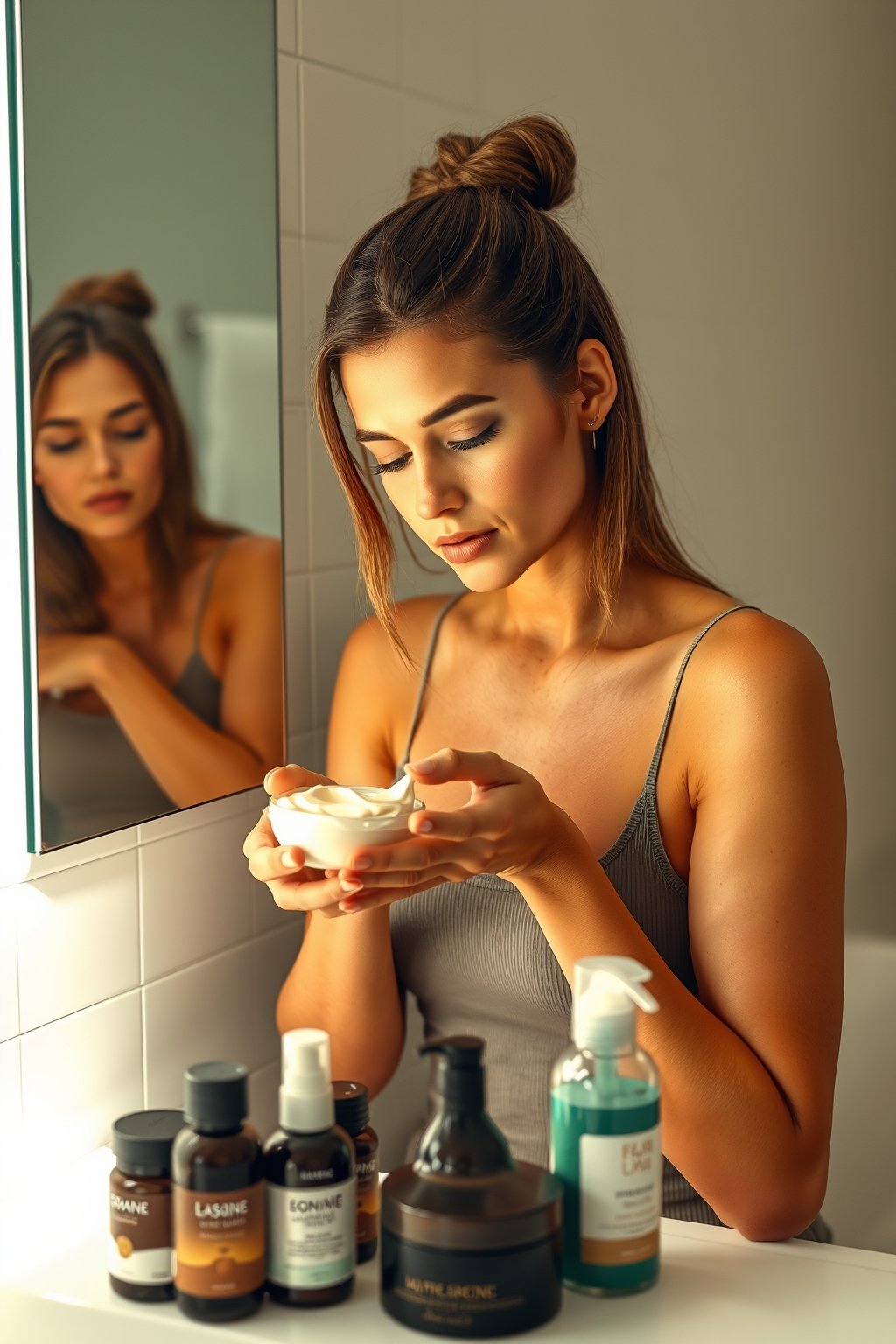
Scientific studies confirm that regular protein hair masks—used every 4 to 6 weeks—can reduce breakage by up to 50% and increase hair thickness.[source] The main goal is to restore the structural proteins in the hair, making it stronger and more resistant to further damage.
Unlike bond repair masks like Olaplex, which reconnect broken disulfide bonds inside the hair shaft using ingredients such as bis-aminopropyl diglycol dimaleate,[source] protein hair masks work mainly by coating and filling weak areas on the hair’s outer layers. This approach helps with elasticity and prevents further breakage, but it does not repair chemical bonds deep within the strand.
For everyday users, a protein hair mask is ideal for dry, brittle, or chemically processed hair lacking structure and shine. However, overuse or poor match to hair type can backfire, making hair feel stiff and straw-like—a condition called protein overload.
Protein masks are priced between $24 and $70 USD for popular options like Briogeo and Virtue,[source] but getting maximum benefit comes down to use frequency and formula match, not just the label.
How to Use a Protein Hair Mask: Step-by-Step Guide
The key to getting real results from a protein hair mask is correct application and matching usage to your unique hair needs. Here’s how:
- Assess Your Hair Type and Damage: Determine your hair’s porosity and level of damage. High porosity or chemically processed hair often needs more protein; low porosity or minimally damaged hair needs less.
- Choose the Right Mask: Look for formulas with hydrolyzed keratin, collagen, or silk proteins. Avoid DIY egg or mayonnaise masks—They rarely penetrate well.[source]
- Wash Hair Thoroughly: Use a gentle, sulfate-free shampoo to remove buildup. Squeeze out excess water for maximum mask absorption.
- Apply the Protein Mask: Section hair and apply the mask evenly from root to tip, focusing on mid-lengths and ends.
- Leave on for 10-20 Minutes: Cover with a shower cap for deeper penetration. Do not exceed recommended time—overexposure risks stiffness or protein overload.
- Rinse Thoroughly: Remove all residue. Follow immediately with a moisturizing conditioner to rebalance hydration and smoothness.
- Style as Usual: Avoid heat styling immediately after treatment; let hair air dry if possible.
- Frequency Matters: High porosity hair may benefit every 2-3 washes; low porosity only every 4-6 weeks.[source]
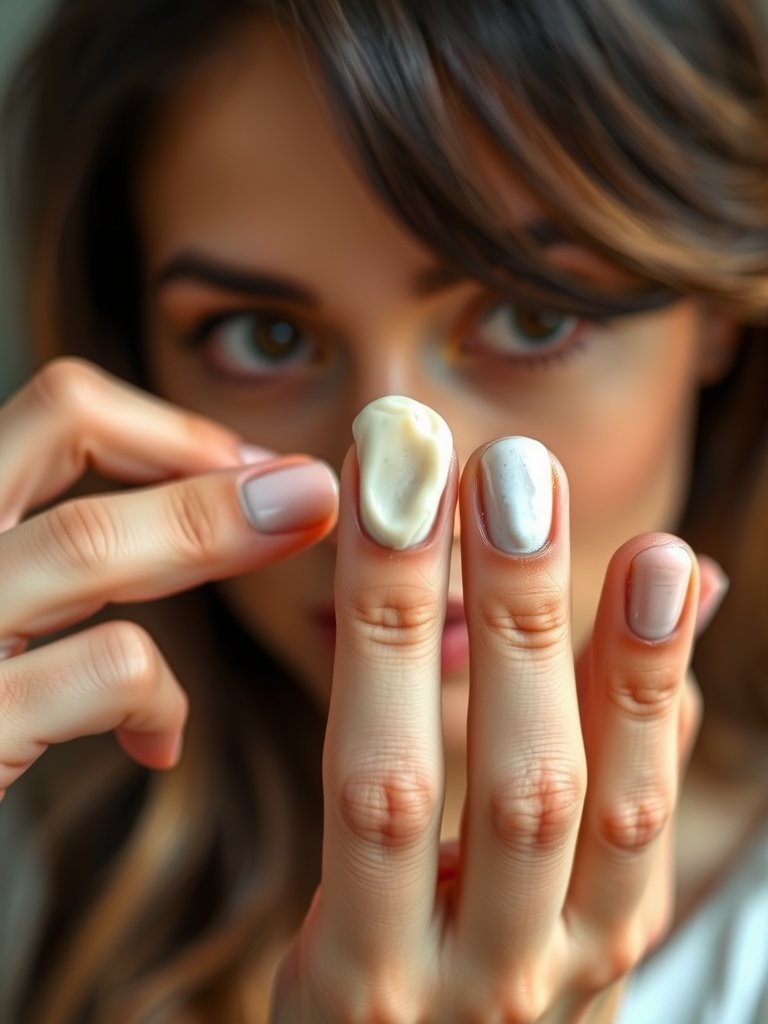
For a holistic repair routine, combine your protein mask routine with techniques like hair oiling between treatments and scalp exfoliation to keep roots strong and healthy. You can also support long-term hair health with supplements for women.
Advanced Analysis & Common Pitfalls
While protein hair masks show strong repair statistics, they aren’t a cure-all. Here’s what the research and real users say about common struggles and downsides:
- Protein Overload: Overuse can cause brittle, straw-like hair that breaks easily. This is most common with high-frequency application or double-dosing.
- Poor Formula Match: Not all protein masks suit every hair type. Low porosity or minimally damaged hair often gets stiff quickly—these users need gentler masks or less frequent use.
- Incomplete Results: Protein masks help with breakage and thickening but don’t repair deep chemical bonds. Users with heavy bleach or perm damage may do better with specific bond repair technology, such as Olaplex.
- DIY Ineffectiveness: Egg or mayo masks are popular online but deposit little actual protein. They also leave hair hard to rinse and dull.[source]
- Cost Considerations: Mask prices vary from $24 to $70, yet results don’t always scale with price.[source] Professional salon treatments or advanced at-home masks may offer better value when used strategically.
| Protein Hair Masks | Bond Repair Masks | Deep Conditioners |
|---|---|---|
| Hydrolyzed protein, peptides, amino acids | Bis-aminopropyl diglycol dimaleate (Olaplex) | Plant oils, butters, silicone, cationic conditioners |
| Rebuilds cuticle, increases thickness, reduces surface damage | Repairs broken disulfide bonds inside hair for deep structural repair | Moisturizes, adds slip, improves manageability, prevents dryness |
| Best for moderate breakage, weak hair, after protein loss (bleach, relaxers) | Best for severe chemical/bleach damage, elasticity loss, curl restoration | Best for dry, brittle, or natural hair needing hydration and softness |
| Overuse risks stiffness, protein overload, loss of shine | Generally safe, but costly and not suited to all damage types | Not targeted for severe damage or chemical repair |
To avoid these pitfalls, always follow product directions and alternate your protein mask routine with moisturizing or barrier repair routines for balance.
For scalp health and hair density, see guides on scalp barrier repair and hair density serums.

Conclusion
Protein hair masks offer a real, research-backed way to rebuild strength and reduce breakage—especially for damaged or processed hair. But to prevent protein overload and maximize benefits, match your routine’s frequency and formula to your specific hair needs. For deep chemical or bleach damage, bond repair masks may be essential for true internal restoration. Use the right product mix, and your hair will thank you in shine and resilience.
Make protein masks part of a holistic care routine. Start small, assess, and take action—your healthiest hair is within reach. Ready to get results? Try a protein hair mask with these steps and see the difference in a single wash.
FAQ
How can I tell if my hair needs a protein hair mask?
If you notice your hair is limp, breaking easily, or feels mushy when wet, it probably needs protein. But if it’s stiff, brittle, or straw-like, lay off the protein for a while and focus on moisture.
Can protein masks fix severely bleached or relaxed hair?
Protein masks rebuild surface structure but do not repair deep chemical bonds. For relentless chemical or bleach damage, try a bond repair mask like Olaplex first.
How often should I use a protein hair mask?
High porosity or heavily processed hair may benefit every 2-3 washes. Average or low-porosity hair usually does best every 4-6 weeks. Overuse leads to protein overload and breakage.
Is it safe to use DIY protein treatments like egg or mayonnaise masks?
DIY masks like egg or mayonnaise do not provide effective protein deposition and may weigh the hair down or prolong washing. Stick to properly formulated masks for best results.
Should I use a moisturizing conditioner after a protein mask?
Yes. Always follow a protein mask with a moisturizing conditioner to rebalance hydration and restore softness.