

Body acne body wash can make a real difference if you struggle with stubborn breakouts on your shoulders, chest, or back. Many people feel stuck with body acne, but the right cleansing approach can cut down on discomfort, improve skin clarity, and restore confidence—without making your skin feel raw or tight. Here’s what actually works, what doesn’t, and the latest research on how to approach body care routines for clearer, healthier skin.
Key Takeaways
- 2% Salicylic acid body washes are clinically shown to reduce acne severity and oil, with minimal irritation for most users. [Source]
- Few user-reported body wash side effects exist, though mild itching can occur in sensitive skin during initial use.
- For best results, consistency and proper method matter more than a long list of promises on the label.
- The Core Concept: What Actually Works for Body Acne?
- Step-by-Step Guide: How to Use a Body Acne Body Wash for Results
- Advanced Analysis & Common Pitfalls
- Conclusion
- FAQ
The Core Concept: What Actually Works for Body Acne?
Body acne, sometimes called bacne, happens for the same reasons as facial acne—excess oil, clogged pores, friction, sweat, and sometimes irritation from shampoos or laundry products. The simplest and most effective intervention remains a body wash formulated with active exfoliators. Salicylic acid leads the pack, thanks to its ability to penetrate follicle walls and break down oil inside pores.
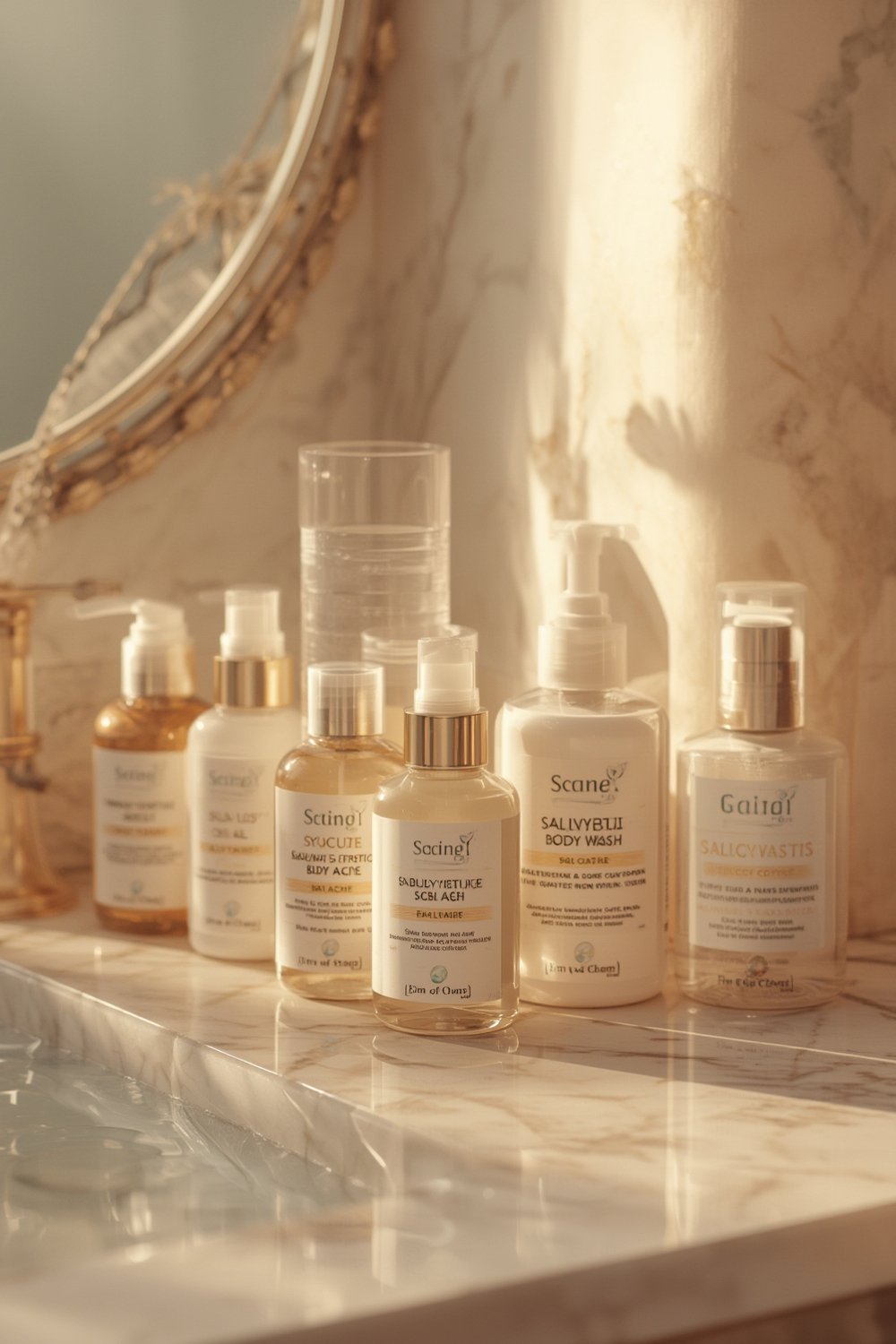
Clinical research using 2% salicylic acid has demonstrated about 23.81% reduction in acne severity scores within three weeks and over 23% decreased oil production. Even though most research focuses on facial acne, the biology is nearly identical on the body. [Clinical study] Other actives, like benzoyl peroxide, retinoids, or azelaic acid, are effective but can be harsher on large or sensitive skin areas, and direct body-specific research is limited.
Beyond ingredients, the biggest shift comes from consistent, gentle use. Hard scrubbing, over-washing, or layering too many actives usually backfires by irritating skin or breaking the barrier. Instead, focus on a simple fragrance-free formulas wash and protect routine. For advanced insights on skin cycling or protecting the body’s skin barrier, check out our guides on skin cycling routines and body skin barrier repair.
Step-by-Step Guide: How to Use a Body Acne Body Wash for Results
- Choose the Right Body Wash: Look for a product with 2% salicylic acid. Fragrance-free formulas are less likely to irritate sensitive skin. Avoid harsh physical scrubs on active breakouts.
- Use Lukewarm Water: Hot water strips skin and aggravates inflammation, while lukewarm water opens pores gently for better penetration.
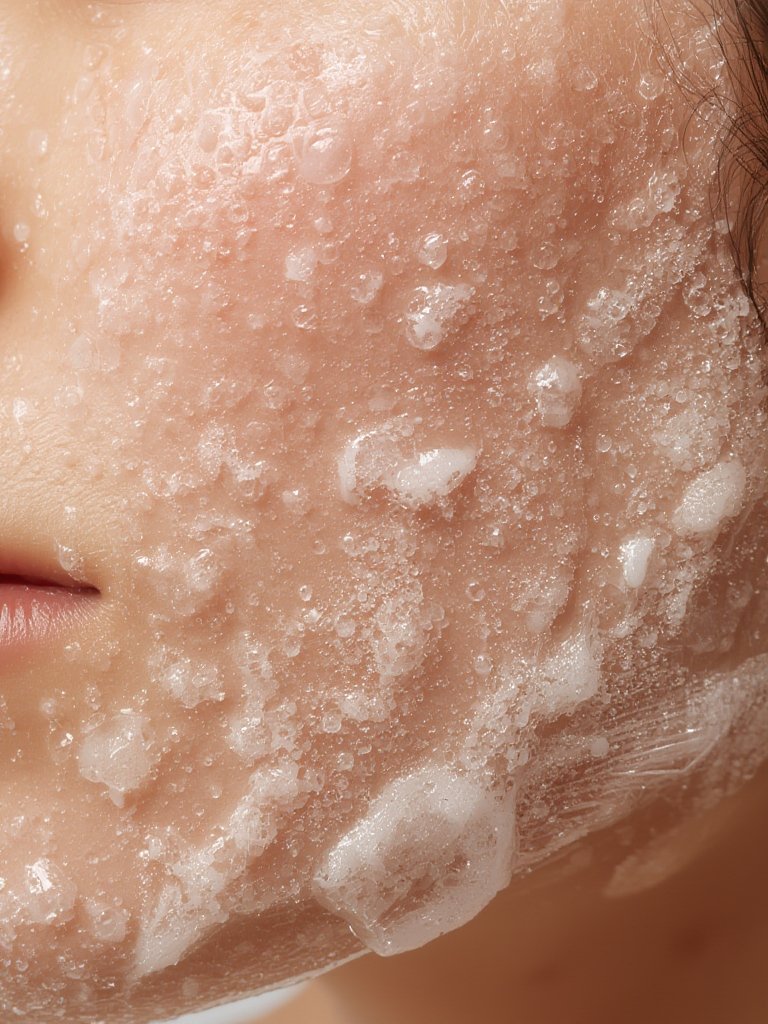
- Apply, Lather, and Let Sit: Massage body wash directly onto problem areas—chest, back, or arms. Let it sit for 1 to 2 minutes before rinsing. This contact time is crucial for exfoliation.
- Rinse Thoroughly: Leave no residue, especially if you sweat heavily or have thick body hair, to prevent clogged pores.
- Pat Skin Dry & Moisturize: Avoid vigorous towel drying. Use a lightweight, non-comedogenic moisturizer (like a skin barrier-friendly option) immediately after.
- Stay Consistent (3-7x per Week): For most, using your acne body wash 1x daily is effective, especially post-exercise or after sweating. Some people with sensitive skin may prefer every other day.
- Make Lifestyle Tweaks: Change out of sweaty clothing, wash workout gear often, and use hair conditioners carefully, since residue can worsen breakouts. For teammate topics, see our articles on skin barrier supplements and scalp skin barrier care.
Advanced Analysis & Common Pitfalls
Body acne routines fail most often due to three things: overdoing it, impatience, or using products with potential irritants. Here’s what the research really says:
- Too Much, Too Soon: Over-washing, scrubbing, or layering actives quickly leads to redness, dryness, or burning—undermining results.
- Poor Ingredient Choices: Data does not show any specific “bad” ingredients for sensitive, acne-prone body skin, but fragrance, alcohols, and strong detergents are generally riskier for fragile skin types.
Salicylic acid products are well tolerated in sensitive skin (5% report mild, short-term itching that resolves on its own). [Study] - Switching Products Too Quickly: Acne improvement often takes weeks. Give a new body wash at least 21-28 days, unless your skin reacts badly.
It’s also easy to get discouraged if you expect “overnight” clearing. Most body breakouts require weeks of consistent care. Based on one large study, a 2% salicylic acid formula led to 22–23% improvement in visible acne and oiliness in about three weeks; combination therapy improved results, but monotherapy was still worthwhile. [Trial Results]
| Ingredient | Average Acne Reduction (4 Weeks) | Suitability for Sensitive Skin | Notes |
|---|---|---|---|
| Salicylic Acid 2% | ~23% | High | Most mild; rare short-term itching |
| Benzoyl Peroxide | Similar/Varies | Low-Medium | Can bleach fabric; more irritation risk |
| Retinoids | Strongest (in studies) | Medium-Low | Prescription only for body; high irritation risk |
| Azelaic Acid | Moderate | Medium | Soothing, but fewer dedicated body products |
Cost is another commonly overlooked pitfall. While many expect “specialty” body washes to be pricey, there’s no consistent data showing their cost is much higher than generic cleansers with actives—so focus on ingredients, not brand claims.
If you already have tried-and-true routines for facial breakouts or want to explore gentle exfoliation further, see our article on at-home chemical peels for additional ideas.
Conclusion
For most people with body breakouts, a simple routine—using a body acne body wash with 2% salicylic acid—delivers noticeable improvement and real comfort in a matter of weeks. Be patient, stay gentle, and let clinical research (not marketing) guide your decisions. If you have persistent problems, always consult a dermatologist, especially if you experience peeling, burning, or don’t see results after two months. Ready for clear skin? Start your evidence-based routine today, and see the change in your skin’s texture and confidence.
FAQ
How long does it take to see improvement with a body acne body wash?
Most people notice a reduction in breakouts and oiliness after three to four weeks of consistent use, particularly when using a 2% salicylic acid wash. Improvement speed depends on severity, skin type, and lifestyle factors.
Are there any side effects from using salicylic acid body washes?
Some users (about 5%) may experience mild and short-lived itching or tingling, especially in sensitive skin. This usually resolves without stopping the product. If you develop redness or burning, discontinue and consult a healthcare provider.
Can I use a body acne body wash on my face?
Most formulas can be used on the face if they’re low-foaming and fragrance free, but check the label for comedogenic ingredients or strong cleansers not designed for facial use.
Is it safe to use a body wash with benzoyl peroxide or retinoids instead?
Benzoyl peroxide can be effective but is more likely to cause irritation and may bleach towels or clothing. Retinoids work well but are typically only prescribed for body use due to irritation risk. Always patch test and start slow.
Should I moisturize after using a body acne wash?
Yes, using a lightweight, non-comedogenic moisturizer prevents over-drying and supports the skin barrier. This is especially important with active body washes. Try options with niacinamide or ceramides for added barrier support.