

Ectoin moisturizer is shaking up the skincare world for sensitive and stressed skin. If you want quick hydration, irritant relief, and barrier protection—without heavy residue or harsh chemistry—this extremolyte ingredient could be the solution your routine is missing.
Key Takeaways
- Ectoin moisturizer dramatically increases hydration (up to 200%) and reduces irritation, even outperforming hyaluronic acid and glycerin for lasting moisture.
- Clinical trials support its safe use in infants, kids, and adults with sensitive or compromised skin barriers.
- There are almost no negative user reviews, and dermatologists recommend ectoin for barrier repair, atopic dermatitis, and pollution protection.
- What Is Ectoin Moisturizer and Why Is It Unique?
- How to Use Ectoin Moisturizer for Best Results
- Advanced Analysis & Common Pitfalls
- Conclusion
- FAQ
What Is Ectoin Moisturizer and Why Is It Unique?
Ectoin moisturizer is a new generation skincare product powered by ectoin, a naturally occurring molecule produced by extremophile microorganisms to help them survive harsh environments. When applied to skin, ectoin forms a “hydration shell” by surrounding skin cells and proteins with a protective cluster of water molecules—up to seven per ectoin. This maintains moisture balance, strengthens the barrier, and shields skin from stressors.
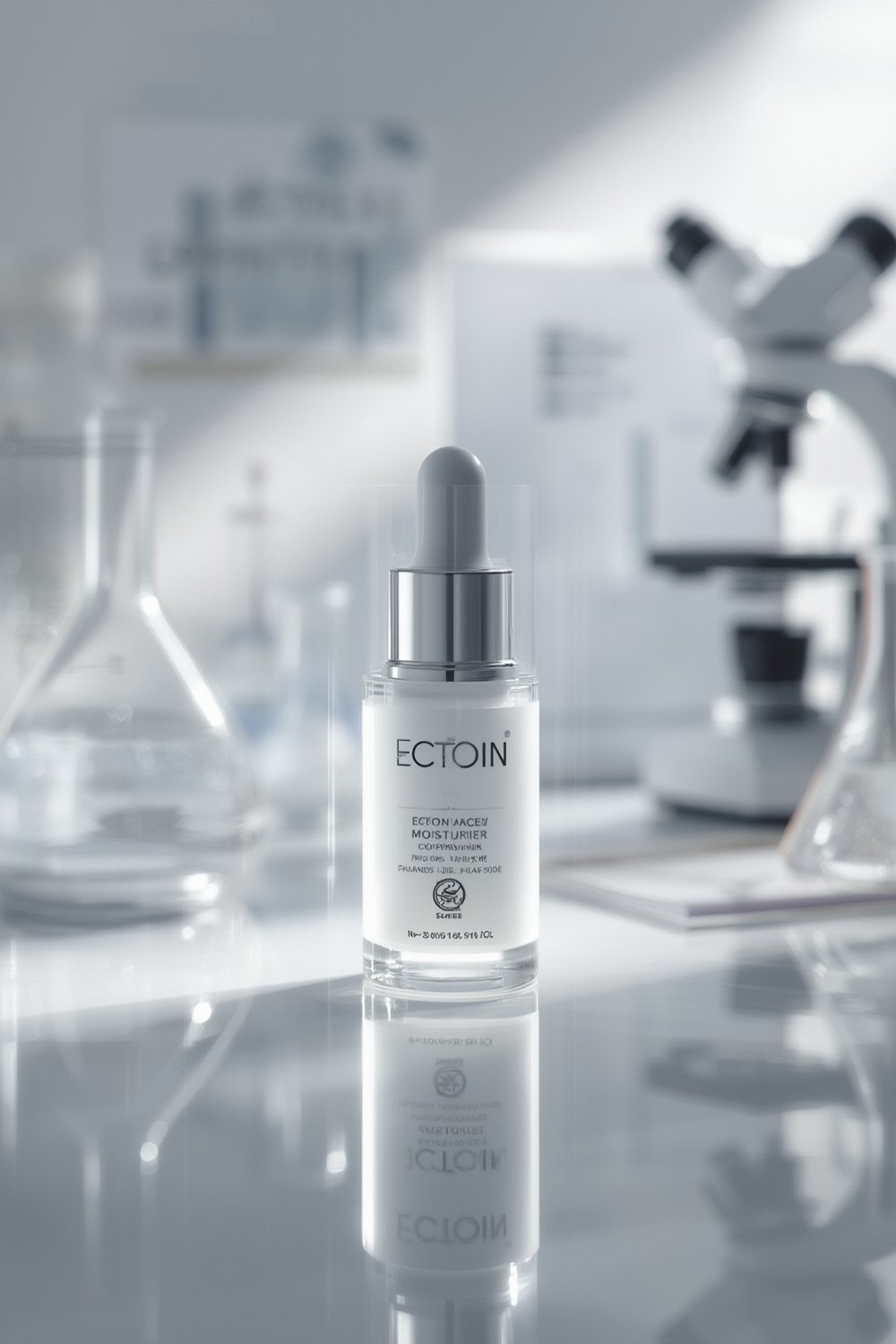
What sets ectoin apart is its ability to coordinate stable water clusters, which means it doesn’t simply pull water into the skin like basic humectants—it locks hydration in place for 24 hours or more. Clinical studies have shown up to a 200% increase in hydration, rapid reduction of irritation, and up to 40% lower transepidermal water loss (TEWL) versus controls. Even more impressive, these benefits show in children with atopic dermatitis with no adverse effects over six months. (source)
Unlike classic barrier creams that rely on occlusive or single-function ingredients, ectoin moisturizers offer stress-adaptive protection, fast barrier recovery, and broad safety—even after laser procedures or in polluted, urban environments. (clinical review)
How to Use Ectoin Moisturizer for Best Results
Ready to integrate ectoin moisturizer into your skincare? Here’s a proven, dermatologist-backed step-by-step guide for maximum benefit—and practical ways to build it into your existing routine, whether you have dry, reactive, or stressed skin.
- Cleanse with a gentle, non-stripping formula. Harsh surfactants damage the barrier and worsen dryness. Look for pH-balanced cleansers that maintain your skin’s natural ecosystem. Read more about repairing damage in our barrier repair moisturizer guide.
- Layer lightweight essences or serums if needed. If your routine includes humectants (like hyaluronic acid), use them before your ectoin moisturizer for an added hydration boost. Ectoin will help lock that moisture in long-term.
- Apply a thin, even layer of ectoin moisturizer to face and neck. Use gentle upward motions and don’t forget around the nose and eye contour. Ectoin’s lightweight, fast-absorbing texture means there’s no greasy finish or pilling—ideal for sensitive and combination skin.
- Spot treat irritated or post-procedure areas. Dab an extra layer on sensitive patches, redness, or after cosmetic treatments like peels or at-home laser hair removal. Not sure about pairing with laser? See our laser hair removal at-home guide for more post-care tips.
- Seal with sunscreen if applying in the morning. Broad-spectrum SPF is always a must, but ectoin can also help mitigate pollution and UV-induced barrier stress for added daytime defense.
If you’re engaged in skin cycling or using actives like retinoids, ectoin moisturizer can reduce dryness and reactive flare-ups while maintaining results. The same approach works for scalp skin barrier repair—discover more about protecting sensitive areas in our scalp skin barrier routine.
Advanced Analysis & Common Pitfalls
Despite ectoin’s clinical and practical strengths, it’s worth addressing realistic challenges so you know what to expect—and what competitor reviews rarely tell you.
- Scarcity of Product Data: While creams and face moisturizers dominate the market, reliable price points and sales data for the leading ectoin-based products are not widely published.
- No Negative Reviews—A Double-Edged Sword? With almost zero negative user reviews, it can be hard to verify independent long-term feedback or find troubleshooting advice for rare side effects.
- Pediatric and Sensitive Skin Evidence: Ectoin is one of the few ingredients clinically validated for use in children as young as six months, but always consult a doctor for pediatric use, especially with other active protocol or severe conditions.
- Barrier Repair vs. Traditional Moisturizers: Unlike ceramide creams that focus on layer replenishing, or classic humectants which quickly lose their effects, ectoin works at the molecular level to stabilize your skin’s own water. This mechanism may not appeal if you prefer “occlusive” moisture (think petroleum jelly), so know your skin type and hydration needs.
| Ingredient | Hydration Longevity | Barrier Repair | Irritation Relief | Residue/Feel | Cost Effectiveness |
|---|---|---|---|---|---|
| Ectoin | 24+ hours (up to 200% ↑) |
Rapid (within 2 weeks) | Excellent (atopic/contact dermatitis) |
Lightweight, no residue | Unknown (limited data) |
| Hyaluronic Acid | Short/medium (<12h) | Moderate | Good, may sting on compromised skin | Sticky if overused | $$ |
| Glycerin | Short (<8h) | Limited | Mild | Slightly tacky | $ |
| Ceramides | Medium | Good (longer term) | Minimal | Can feel heavy | $$ |
Notably, molecular simulations show ectoin-water clusters stay stable and effective even at higher temperatures—outperforming glycerin and delivering consistent results in humidity, hot climates, and post-procedure care. Still, it’s wise to patch test if you have a highly reactive skin history or allergies.
Ectoin’s “stress-protective” action is also microbiome-friendly, making it suitable alongside fermented skincare or for those layering several actives. Want more advanced strategies for recovering skin after strong treatments? Check our guide to at-home chemical peels.
Conclusion
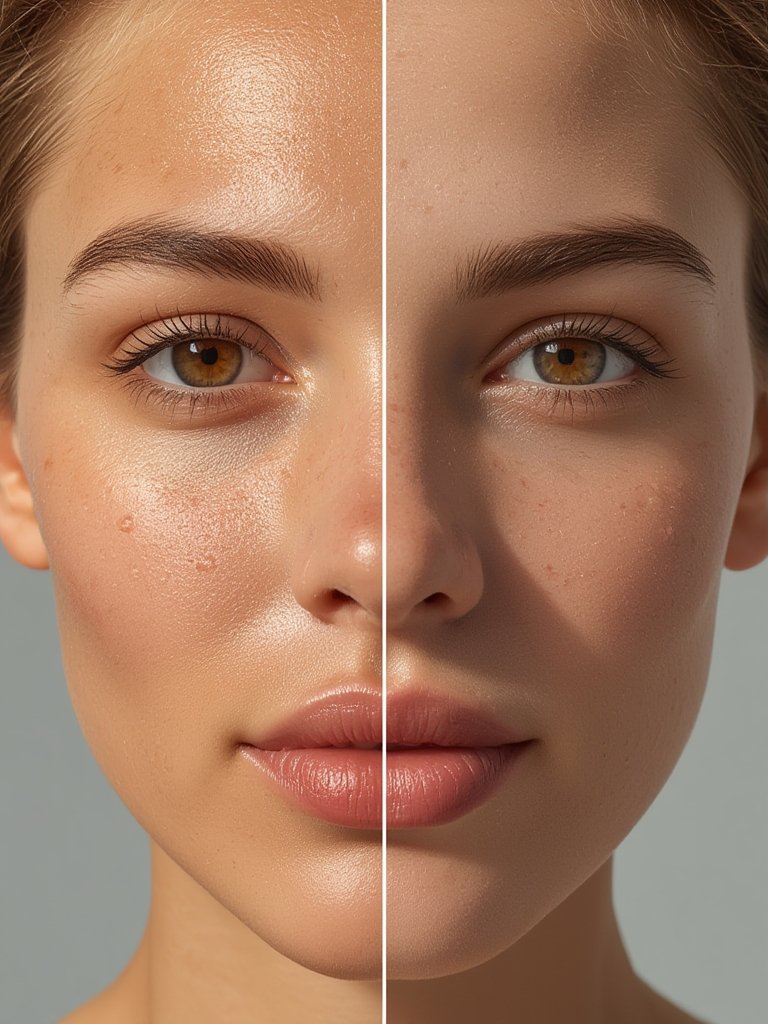
Ectoin moisturizer is a next-level choice for those seeking real, long-lasting hydration, rapid barrier repair, and gentle protection—without the drawbacks of sticky, heavy creams. Backed by strong science and dermatologist recommendation, it suits even the most sensitive skin, including children. Add ectoin moisturizer to your daily or recovery routine to see visible results in comfort, resilience, and glow.
Experience the new gold standard in hydration—give ectoin moisturizer a try and notice the difference in your skin.
FAQ
Is ectoin moisturizer safe for daily use on sensitive skin?
Yes. Clinical studies and dermatologists support daily, long-term use for all skin types, including sensitive and compromised skin. It’s also safe for children as young as six months, though always check with a physician for pediatric conditions.
How does ectoin moisturizer compare to hyaluronic acid and ceramide creams?
Ectoin retains hydration longer (24+ hours), provides rapid barrier repair, and relieves irritation faster than hyaluronic acid or ceramides. It absorbs quickly without a heavy or sticky feeling.
Can I use ectoin moisturizer after laser or chemical peel treatments?
Yes. Ectoin helps prevent post-procedural dehydration, reduces redness, and speeds up barrier recovery. Always follow your doctor’s aftercare advice, but it’s an excellent addition to recovery routines.
Does ectoin moisturizer have any side effects?
No significant adverse events or complaints have been reported in studies or user reviews. However, as with any skincare product, patch test first if you have allergies or extremely reactive skin.
Does ectoin moisturizer work for atopic dermatitis?
Yes. In clinical trials, twice-daily application reduced itching, redness, and scaling in atopic dermatitis, even in severe cases and in infants. It’s a gentle but effective choice for eczema-prone skin.