

Fermented skincare is transforming how we approach healthy, radiant skin by boosting ingredient potency and supporting your skin microbiome.
Key Takeaways
- Fermented skincare ingredients may improve glow, hydration, and barrier health more effectively than their non-fermented counterparts.
- Most users tolerate fermented skincare well, but there’s a small risk of yeast or probiotic sensitivity, so patch testing is important.
- The process of fermentation breaks down ingredients into more bioavailable forms, enhancing absorption and delivering better skin results.
- What Is Fermented Skincare?
- How to Use Fermented Skincare: Step-by-Step Guide
- Real-World Analysis, Benefits & Pitfalls
- Conclusion
- FAQ
What Is Fermented Skincare?
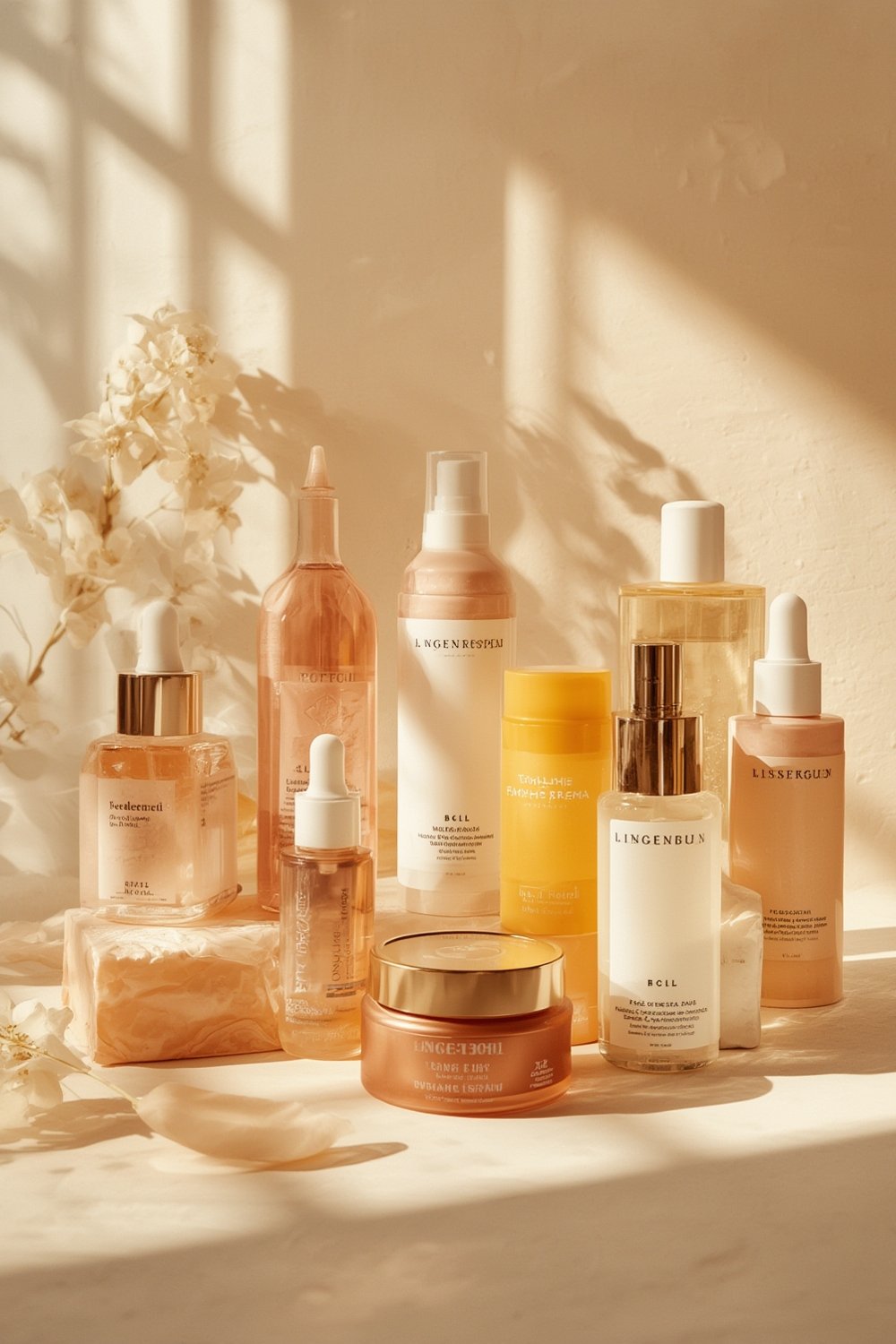
Fermented skincare uses ingredients that have undergone a controlled microbial fermentation process. This changes their chemical structure, producing new beneficial compounds, increasing nutrient availability, and making the ingredients more absorbable by your skin. Common examples include fermented aloe vera, ginseng, soy, bifida, and yeast extracts found in essences, serums, and creams. As a result, fermented products are designed to enhance skin hydration, brightness, and resilience, and may even support your skin microbiome, which is essential for a healthy skin barrier.
Emerging research is promising. For example, fermented aloe vera with Lactobacillus plantarum has been shown to boost collagen activity and anti-wrinkle effects in lab studies. Similarly, fermented ginseng (black ginseng) enhances anti-wrinkle and whitening effects more than its non-fermented counterpart. The fermentation process converts plant extracts into smaller molecules and can deliver antioxidants, peptides, amino acids, and healthy acids—vital for long-term glow and improved hydration.
What sets fermented skincare apart is its potential to repair the skin barrier by supporting the natural ecosystem of protective microbes on your face. Products like Bifida ferment lysate and Saccharomyces ferment filtrate not only nourish the skin but also strengthen its ability to retain moisture and heal from irritation. For more on how the microbiome affects your skin, visit our Skin Microbiome Care Guide.
How to Use Fermented Skincare: Step-by-Step Guide
-
Start with Patch Testing
Not everyone reacts the same. Apply a small amount of your chosen fermented serum or essence to your inner forearm and monitor for 24 hours before using it on your face. -
Cleansing Your Face
Use a gentle, low-pH cleanser to avoid disrupting your skin’s microbiome. This ensures optimal absorption of the fermented actives. -
Apply Fermented Essence or Serum
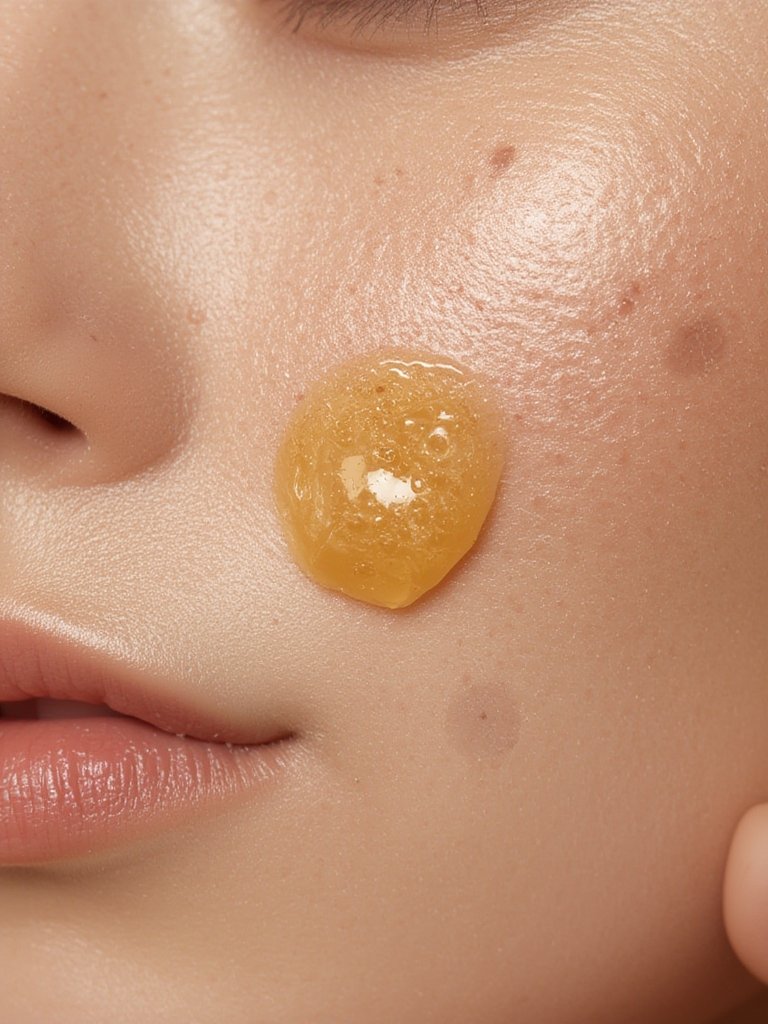
Directly after cleansing, pat a small amount of fermented essence (like galactomyces or bifida ferment lysate) onto damp skin. This helps ingredients penetrate better due to the moist surface. -
Layer with Barrier-Repairing Moisturizer
Seal in the benefits by finishing with a barrier repair moisturizer — look for ceramides or additional probiotics. -
Sun Protection in the Morning
Always use sunscreen as the final morning step, since fermented ingredients increase cell turnover and may slightly heighten sensitivity to UV. -
Do Not Overdo It
Many fermented products are potent. Start with 2–3 times per week, then build up as tolerated. Combine fermented ingredients with a skin cycling routine to avoid irritation.
Want to explore other glow-boosting steps? Read our guide to skin longevity supplements for even deeper skin rejuvenation.
For a pro approach, layer a peptide serum, like those described in our guide to peptide serums, after your fermented essence. Peptides and fermented ingredients can work synergistically to support collagen and barrier repair.
Real-World Analysis, Benefits & Pitfalls
While the science and trend are compelling, fermented skincare is not free from downsides. Here’s what you need to know before you start.
Potential Benefits Backed by Research
- Enhanced antioxidant, anti-inflammatory, and brightening activity compared to non-fermented alternatives (study).
- Smaller, more bioavailable molecules for deeper penetration and effectiveness (source).
- Potential for improved hydration and reduced visible irritation, especially in dry or sensitive skin types.
Common Pitfalls to Watch For
- Possible Allergic Reactions: While rare, some people can develop yeast sensitivity (itching or burning). Patch test your product if you are new to fermented ingredients (clinical report).
- Overuse Can Backfire: Too much exfoliation or actives—especially when mixing fermented products with potent acids or retinoids—may disrupt the skin barrier.
- Lack of Long-Term Data: Most clinical studies are short-term. There’s uncertainty about cumulative benefits and rare side effects over time (analysis).
Cost and Accessibility
- Fermented skincare products are sometimes priced higher than their basic, non-fermented equivalents. However, no peer-reviewed study has quantified the typical price difference (see discussion).
- Luxury brands may charge a premium for advanced fermentation techniques, but affordable options exist in K-beauty and drugstore lines.
| Feature | Fermented Skincare | Non-Fermented Skincare |
|---|---|---|
| Primary Benefits | Enhanced bioavailability, more antioxidants, barrier support | Standard hydration, basic antioxidant protection |
| Skin Sensitivity Risk | Low, but possible yeast/probiotic sensitivity | Occasional allergen risk, especially with fragrances or preservatives |
| Penetration | Deeper, due to molecule breakdown | Standard, depends on formulation |
| Price Range | Medium to High | Low to Medium |
For support in repairing a stressed barrier, check out our in-depth advice on using a body skin barrier repair routine.

Conclusion
Fermented skincare offers real advantages when it comes to skin glow, hydration, and microbiome support, especially for those struggling with dullness or sensitivity. The research is promising but not definitive for all skin types. Always consider patch testing and gradual integration for best results. Embrace fermented skincare for added radiance, and explore our guides for layering routines and barrier restoration.
Ready to take your skin to the next level? Start by integrating a single fermented essence into your nightly routine and see how your skin responds. For further inspiration, read our Fermented Skincare Routine Guide.
FAQ
Is fermented skincare safe for sensitive skin?
For most people, yes. Fermentation can reduce potential irritants, but a small number may react to probiotic or yeast components. Always patch test before full use.
What are the most effective fermented ingredients for glowing skin?
Bifida ferment lysate, galactomyces, Saccharomyces ferment filtrate, and fermented ginseng have shown benefits for radiance, hydration, and skin balance.
Does fermented skincare cause breakouts?
Breakouts are uncommon, but not impossible. Most studies show support for barrier repair, which may actually reduce irritation-induced acne. If you are acne-prone, introduce one product at a time.
What should I avoid mixing with fermented skincare?
Be cautious combining strong acids (like AHAs/BHAs) or high-dose retinoids with fermented serums in the same routine, especially when first starting out.
How long does it take to see results from fermented skincare?
Many people notice smoother, more hydrated skin within 2–4 weeks of consistent use. Deeper brightening and barrier benefits may take 6–8 weeks.