

Microbiome body wash is changing how we think about skin health, using science-backed ingredients to support your skin’s delicate ecosystem instead of stripping it away. Tired of dry, tight skin after showering? Wondering if “probiotic” or “microbiome-friendly” labels really matter? This guide reveals what works, which claims are reliable, and how to build a routine for healthier skin flora—minus the hype.
Key Takeaways
- Microbiome body wash helps support your skin’s natural barrier by preserving healthy bacteria and avoiding harsh cleansing agents.
- Recent studies show that mild, glycerine-rich, and plant-derived occlusive formulas can boost skin resilience without disrupting microbiome diversity.
- Not all microbiome-friendly body washes are created equal—ingredient quality, claims, and user results vary widely.
- What Is Microbiome Body Wash and Why Does It Matter?
- Step-by-Step Guide: How to Use Microbiome Body Wash for Healthier Skin
- Advanced Analysis & Common Pitfalls
- Conclusion
- Frequently Asked Questions
What Is Microbiome Body Wash and Why Does It Matter?
Microbiome body wash refers to cleansers made to respect, support, or rebalance the skin’s microbiome—a living shield of beneficial bacteria, fungi, and other microorganisms. Unlike harsh soaps that strip everything away, these products use mild surfactants and add prebiotic, probiotic, or postbiotic compounds. This shift matters if you want smooth, less-irritated skin and a resilient barrier that keeps moisture in and damage out.
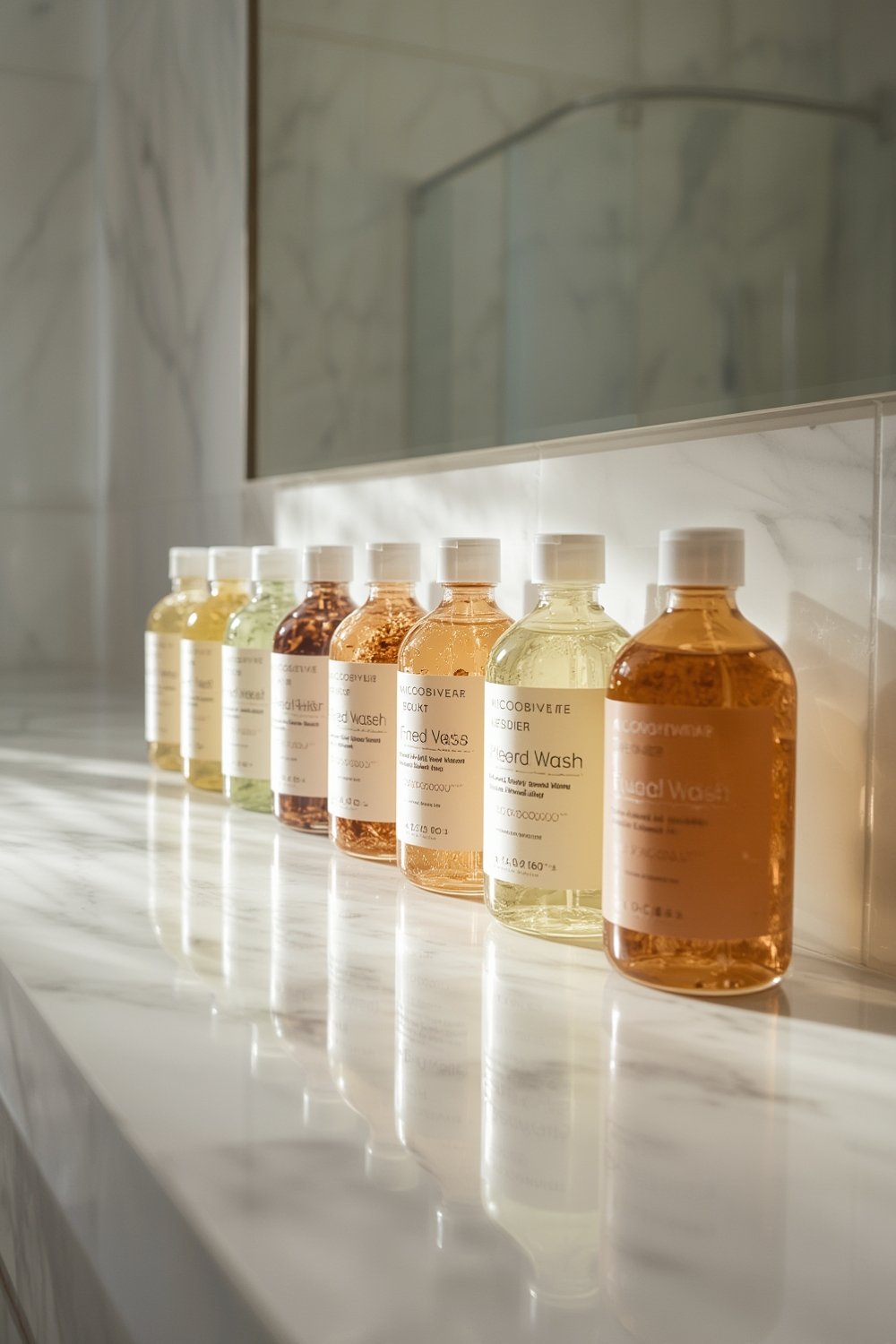
The latest research—such as the 2025 study in The British Journal of Dermatology—shows that formulas like high-glycerine cast melt bars (HGCB) and isethionate-taurate-based liquid washes with plant oils can preserve skin microbiome diversity over several weeks. These formulas don’t wipe out key protective species like Staphylococcus, Cutibacterium, or Dermacoccus.
Brands are responding with body washes targeting not just cleansing but also skin defense, hydration, and microbiome resilience. Some solutions are tailored for sensitive or eczema-prone skin, featuring specialized strains or prebiotics known to reduce inflammation.
If you want to dive deeper into how the skin microbiome interlinks with your barrier health, our skin microbiome care guide is a practical starting point.
Step-by-Step Guide: How to Use Microbiome Body Wash for Healthier Skin
Ready to make the switch? Here’s a simple, actionable way to introduce a microbiome body wash into your routine for fast, evidence-based results—whether you have dry, sensitive, or “normal” skin.
- Choose the Right Body Wash: Look for labels mentioning “microbiome-friendly,” “prebiotic,” or “probiotic-derived” ingredients. Opt for glycerine-rich or plant-based occlusive cleansers (such as those using isethionate-taurate surfactants). Avoid aggressive sulfates and added alcohols.
- Optimize Your Routine: Limit washing to once a day (unless you’re sweating heavily). Over-cleansing—even with gentle formulas—can disrupt your skin’s natural flora.
- Apply on Wet Skin: Use warm, not hot, water to minimize stripping natural oils. Dispense a small amount and lather gently in your hands—skip harsh scrubbing mitts or loofahs.
- Focus on Sweat or Odor-Prone Areas: There’s no need to scrub your entire body every time. Just wash underarms, groin, and feet daily; rinse the rest with water to preserve healthy microbiota. (Skin fasting is a related strategy for barrier reset.)
- Rinse Thoroughly and Pat Dry: Avoid rubbing—friction can lead to micro-irritations and disrupt skin balance.
- Moisturize Immediately: Apply a barrier repair moisturizer or squalane oil to seal in moisture and create a hospitable environment for skin-friendly bacteria.
- Monitor Changes: Track improvements and potential sensitivities for at least 2 weeks. If you notice persistent dryness, redness, or breakouts, consult with a dermatologist. Remember, true microbiome support is a long-term routine, not a one-time fix.
For those cycling active ingredients in their regimen (like retinol, acids, or exfoliants), align your body wash choice with the skin cycling method to balance progress with barrier protection.
Advanced Analysis & Common Pitfalls
While microbiome body washes can be a skin-saver, several pitfalls and product myths catch many users off guard. Here’s a reality check before you buy:
- Not All Claims Are Equal: Many products throw around “microbiome-friendly” without third-party validation or transparent ingredient sourcing. Check for science-backed formulas—those using glycerine, mild surfactants, or plant occlusives, as seen in this pivotal study.
- Probiotic Buzz ≠ Live Cultures: Most over-the-counter “probiotic” washes contain inactivated bacteria, not actual live cultures. These biotics may still benefit the skin, but their effects differ from topical live strains.
- Price Gaps and Value: Microbiome-focused washes cost 2–3x more than standard body washes, often with minimal ingredient difference. Higher price does not always mean better performance. Carefully review ingredient transparency and invest in tried-and-true gentle cleansers.
- Sensitivity Flare-Ups: Some people still react to “gentle” or “natural” formulas due to botanical extracts, fragrance, or even probiotic derivatives. Always patch test, especially with sensitive or eczema-prone skin.
- No Miracle Results: Real benefits are gradual—expect improvements in skin comfort, less tightness, and dryness over 2–4 weeks, not an overnight transformation.
| Feature | Microbiome Body Wash | Conventional Body Wash |
|---|---|---|
| Effect on Skin Microbiota | Preserves microbial diversity and boosts network resilience1 | May disrupt key skin bacteria, linked to barrier weakness |
| Main Ingredients | Glycerine, mild surfactants, plant occlusives, prebiotics/postbiotics | Sulphates, alcohols, synthetic fragrances |
| Best For | Sensitive, dry, or barrier-compromised skin | Oily, non-sensitive skin types |
| Price Range | Mid to high | Budget to mid |

If you experience a flare-up or ongoing irritation, consider alternating with a plain barrier repair moisturizer or simplifying your routine for a few weeks. You can also explore our fermented skincare guide for routines that gently nurture the skin’s flora while supporting glow and resilience.
Conclusion
Microbiome body wash is more than a trend—it’s backed by research and real results. When selected and used thoughtfully, the right formula preserves your skin’s natural defense system, reduces dryness, and enhances comfort. If you’re ready to support your skin flora while maintaining a gentle, effective cleansing routine, consider updating your shower products and keep an eye on your results over time.
Ready to try a microbiome body wash? Start with a simple formula, stay consistent, and don’t hesitate to patch test before going all-in. Your skin will let you know what works—and healthier skin is worth the effort.
Frequently Asked Questions
Do microbiome body washes actually work?
Clinical studies show microbiome body washes help maintain healthy microbial diversity on your skin and enhance resilience, especially if you have dry, sensitive, or eczema-prone skin. However, not all products have been tested equally—results can vary depending on ingredients and your unique skin.
Are probiotic or prebiotic body washes better?
Both have benefits. Prebiotic washes feed beneficial skin bacteria, while probiotic-derived ingredients can help restore or maintain balance. Most mass-market washes use probiotic derivatives, not live cultures, but these can still support your skin microbiome’s resilience.
Can microbiome body washes help with eczema or dermatitis?
Some formulas are clinically tested on eczema-prone skin and may include ingredients to reduce inflammation and itchiness. Always choose fragrance-free, patch test first, and consult a dermatologist if you have persistent problems.