

Peptide hair growth serum is quickly becoming one of the most talked-about solutions for tackling hair thinning and promoting scalp health, but do these trendy formulas really work? In this practical guide, you’ll discover what makes these serums unique, how to use them effectively, pitfalls to watch out for, and which ingredients truly set leading options apart. Get clear, realistic answers based on the latest market and clinical research—without marketing hype.
Key Takeaways
- Peptide hair growth serums may improve hair density and thickness, but results are often modest and take several months.
- Leading products use advanced multi-peptide complexes and delivery systems that many competitors lack.
- Side effects like scalp buildup, oiliness, and slow results are common—choosing the right formula and setting expectations is key.
The Core Concept
Peptide hair growth serums are cosmetic treatments specifically formulated to target hair density and scalp health using biomimetic signal peptides, often combined with plant extracts and advanced carriers. Instead of classic drugs like minoxidil or finasteride, they rely on active peptide complexes such as Capixyl, Redensyl, Procapil, and copper tripeptides (GHK-Cu). These ingredients are designed to support follicle growth cycles, strengthen roots, and boost visible hair fullness, especially for early thinning or mild shedding.
Unlike drug-based options, peptide serums focus on tolerability and cosmetic improvement, making them attractive for users wanting a non-pharmaceutical approach. However, most evidence comes from brand or ingredient supplier studies—meaning improvements are typically gradual, with effects peaking after consistent use for 3 to 6 months. For detailed ingredient breakdowns and the science behind these serums, check the Men’s Health hair serum report.
Step-by-Step Guide
Ready to get the most from your peptide hair growth serum? Follow this actionable process for the best chance at visible results.
- Choose the right formula for your scalp and hair type.
- If you’re prone to irritation, opt for a serum featuring copper peptides or stem cell peptides. For oily scalps, look for formulas with menthol or tea tree for a refreshing, non-oily feel.
- Avoid serums heavy in oils or silicones if you have fine, straight hair that shows residue easily.
- Patch test before full use.
- Dab a small amount behind your ear and monitor for 24 hours to avoid surprise irritation.
- Apply to a clean, dry (or slightly damp) scalp nightly or as directed.
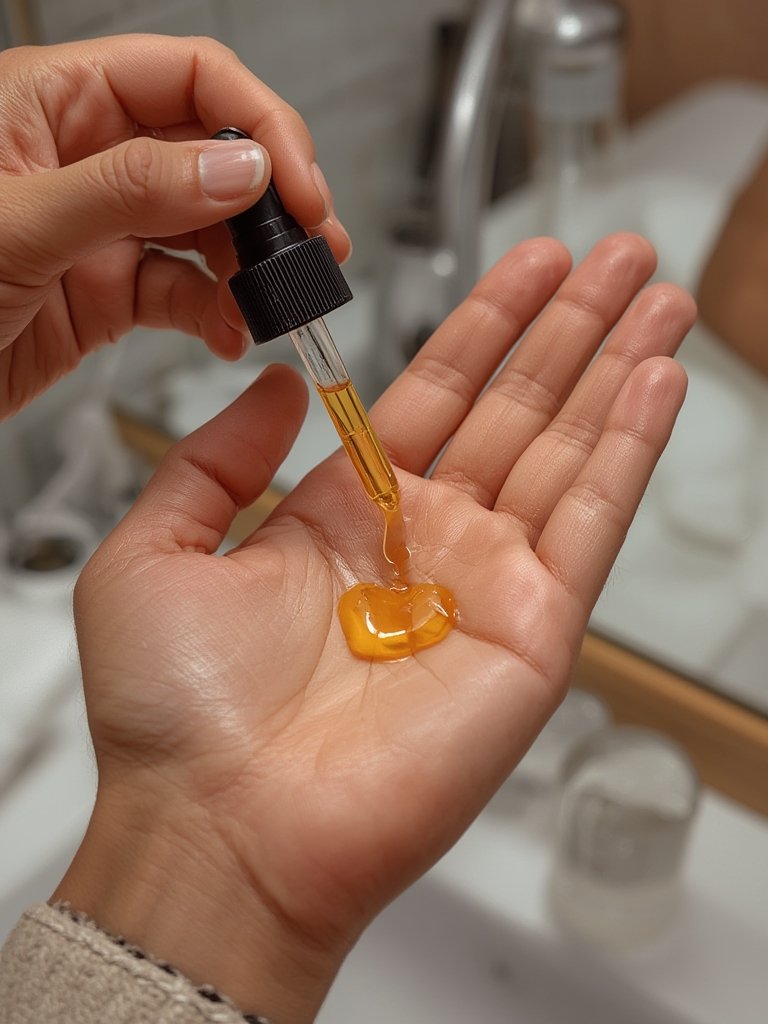
- Section hair to expose thinning areas and dispense the serum with a dropper. Gently massage in with fingertips or a soft massager for even distribution.
- Focus on consistency; most peptide serums require 3-6 months for visible density improvements.
- Layer thoughtfully with other treatments.
- You can layer most peptide serums with minoxidil, but always let each product dry completely to avoid dilution.
- On non-serum nights, consider a dedicated scalp exfoliation routine to prevent buildup and maximize penetration.
- Monitor progress realistically.
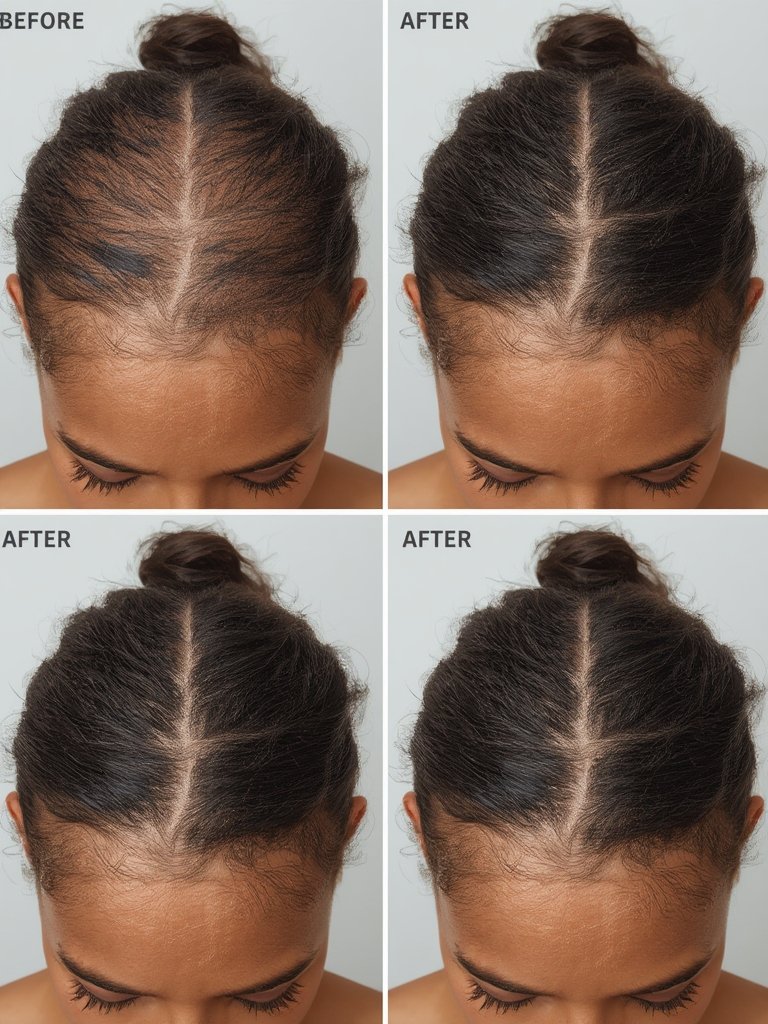
- Take monthly photos in good lighting—expect subtle improvements in fullness or shedding by month three. Set realistic expectations to avoid disappointment, as regrowth is gradual and often modest.
- Reassess and adjust as needed.
- If you notice irritation, excess oiliness, or no results after 6 months, switch formulas or consider integrating with a targeted supplement plan like hair supplements for added support.
- For severe thinning, consult a dermatologist about combining cosmetic serums with medical therapies.
Looking to build a comprehensive approach? Explore routines for repairing thinning hair or techniques like hair oiling to further support regrowth efforts.
Advanced Analysis & Common Pitfalls
Despite the popularity of peptide hair growth serums, there are important challenges and limitations. Here’s what users need to know to make informed decisions.
Most Common Pitfalls
- Overestimating what peptides can do: Peptide serums can increase fullness and reduce shedding but usually do not regrow hair to the extent of minoxidil or finasteride. Claims of dramatic reversal are rarely supported by independent research (source).
- Choosing generic formulas: Many cheaper serums use basic peptides with little or no supporting data. For best results, seek out science-backed complexes like Capixyl, Redensyl, or TFC8.
- Improper application technique: Applying too much can cause buildup, greasiness, or even scalp clogging—especially a risk for fine hair or oily scalps. Use only the recommended amount and distribute it evenly.
- Mixing with harsh treatments: Pairing peptide serums with aggressive exfoliants or other actives may increase irritation risk. Space out exfoliation and serum days for best comfort.
- Setting unrealistic timelines: Many users expect to see results in 2-4 weeks, but meaningful density improvements usually require at least 90 days of daily use.
Comparison Table: Peptide Serums vs. Other Hair Growth Treatments
| Treatment | Mechanism | Avg. Cost/Month | Evidence Quality | Common Drawbacks |
|---|---|---|---|---|
| Peptide Serum (Capixyl, Redensyl, Copper Peptide) | Cosmetic anagen support, anti-inflammatory, stem-cell activation | $20–$90 | Mostly company studies; small, short-term trials | Oiliness, slow/gradual results, potential scalp buildup |
| Minoxidil (5%) | Vasodilator, forces follicles into growth phase | $15–$30 | Large RCTs; FDA approved | Irritation, residue, rebound shedding |
| Stem Cell + Peptide Serums | Plant stem-cell extracts, signal peptides, barrier support | $50–$100+ | Proprietary (brand-run) studies | Price, shipping issues, variable efficacy |
| Supplements (e.g., Nutrafol) | Hormonal, nutrient, and stress modulation | $80–$150+ | Some data, but mostly small studies | Cost, swallowing pills, slow onset |
Other Issues to Watch For
- Scent complaints: Some multi-peptide serums have a strong odor that not everyone tolerates (source).
- Packaging leaks: Occasional reports of leakage or pump malfunction during shipping, especially with luxury or glass-packaged serums.
- User frustration: Gradual effect means it’s easy to give up before results become visible.
For expert strategies on restoring the scalp barrier and preventing itch or sensitivity, explore scalp barrier repair routines.
Conclusion
Peptide hair growth serums offer a scientifically inspired, cosmetic-first approach to boosting hair density, scalp comfort, and overall thickness—particularly for early-stage thinning. While independent research is still catching up to marketing claims, these formulas can play a useful adjunct role or first-step regimen before prescription options. Focus on proven complexes, realistic timelines, and listen to your scalp’s response.
Ready to try a peptide hair growth serum? Start with a patch test, stick to daily use, and monitor your progress honestly. For more scalp and hair science, dive into our full guide on hair density serums or explore the benefits of peptide serums for skin barrier support.
FAQ
How long does it take for a peptide hair growth serum to show results?
Most clinical and user data suggest it takes about 12 weeks (3 months) of daily use for noticeable improvements in fullness or less shedding. Peak results may require up to 6 months.
Can I use peptide serums with minoxidil or other treatments?
Yes, most peptide serums can be safely layered with minoxidil. Apply each product separately, allowing the first to dry before using the next. Always patch test new combinations to check for irritation.