

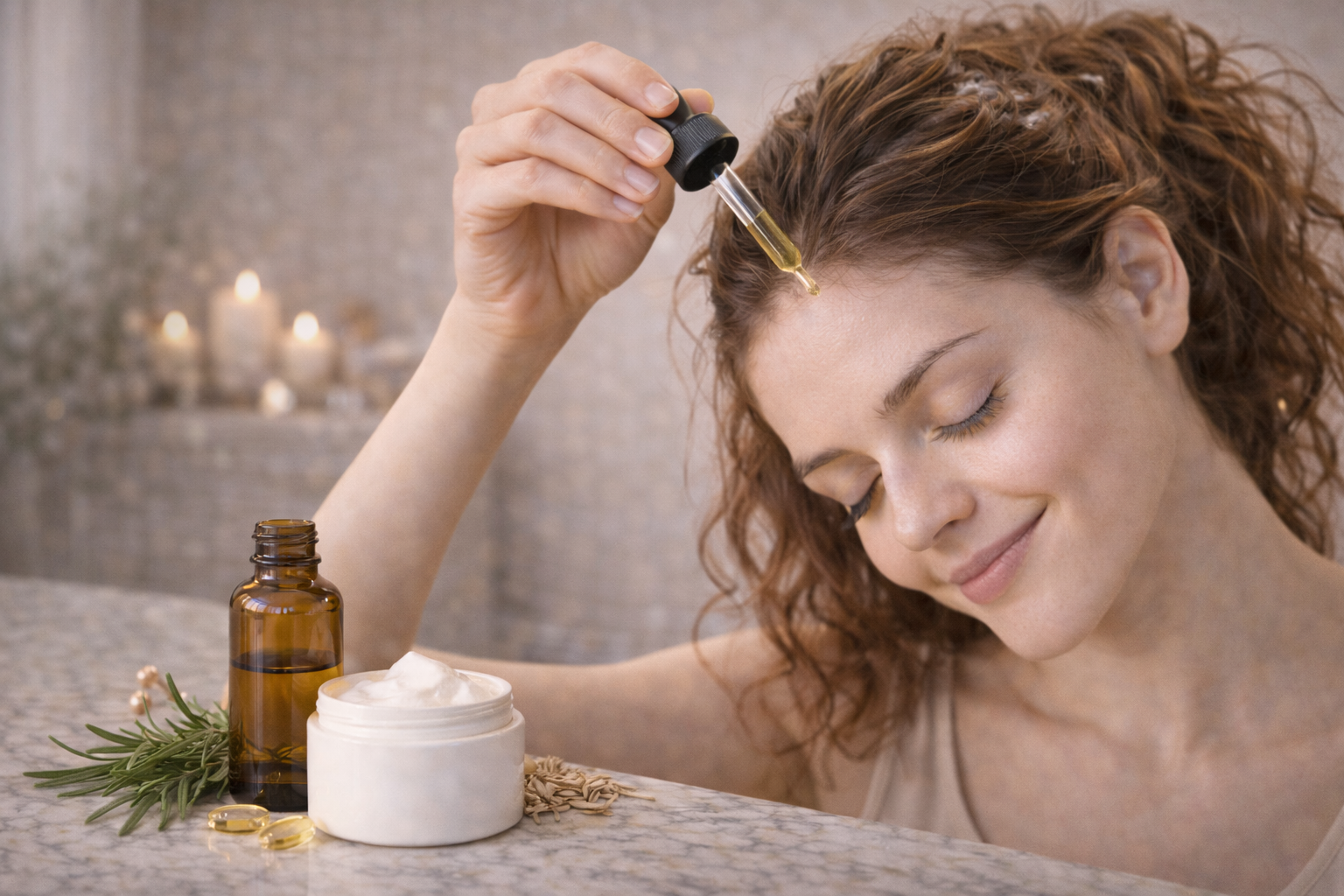
Rosemary oil hair growth is one of the most talked-about topics in the natural haircare world. Lately, more people are asking: can rosemary oil really help grow hair as well as proven treatments like minoxidil? Here’s what the latest evidence actually shows, how to try it for yourself, and the key mistakes most guides fail to warn you about.
Key Takeaways
- Scientific evidence shows that rosemary oil can boost hair growth in people with androgenetic alopecia, with results similar to 2% minoxidil after 6 months, but the research is limited.
- Potential issues include scalp irritation, the need for consistent use, and common user mistakes with product type and concentration.
- Choosing pure rosemary essential oil and applying it correctly over enough time is crucial for seeing real results—most “rosemary” hair products are not equivalent to clinical trial protocols.
- What You Need to Know About Rosemary Oil for Hair Growth
- How to Use Rosemary Oil for Hair Growth: Step-by-Step Guide
- Advanced Analysis and Common Pitfalls
- Conclusion
- Frequently Asked Questions
What You Need to Know About Rosemary Oil for Hair Growth
Rosemary oil has become a go-to home remedy for people struggling with hair thinning or slow regrowth. The interest exploded after a clinical trial found it worked about as well as 2% minoxidil (a classic hair loss medicine) for androgenetic alopecia—a common cause of gradual hair thinning in both men and women.
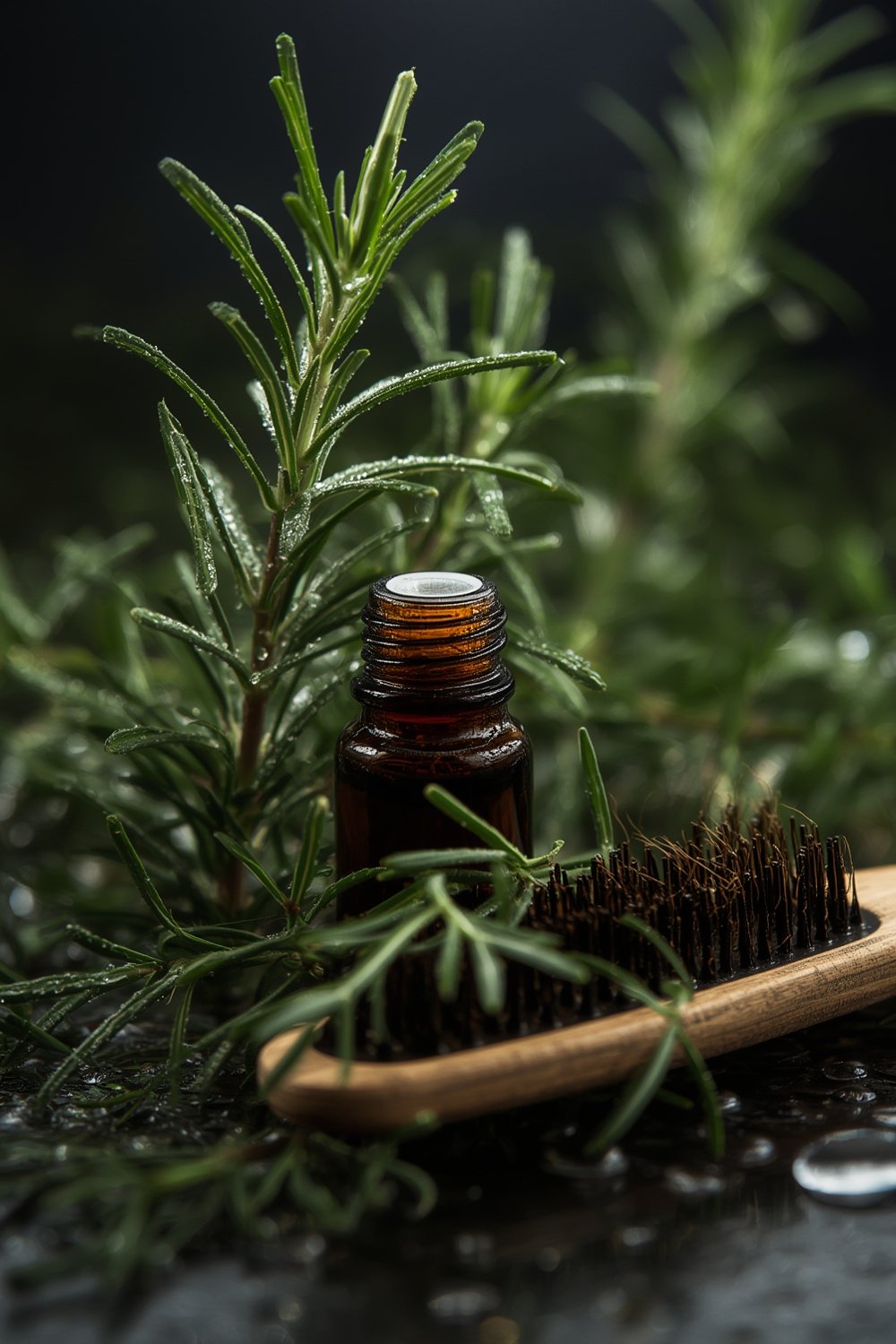
In this study, rosemary essential oil was applied directly to the scalp twice a day for six months. The results: both rosemary and minoxidil led to a significant boost in hair count after 6 months, with no real difference between the groups. However, minoxidil caused more scalp itching than rosemary oil. [PubMed: Panahi et al., 2015]
So why isn’t rosemary oil everywhere as an FDA-approved hair loss treatment? There’s only one main study so far, while minoxidil has decades of clinical trials and global approvals. Also, the exact mechanism for rosemary is still being clarified, though it likely improves scalp circulation and reduces inflammation.
Importantly, these results apply only to androgenetic alopecia (“pattern hair loss”)—not all types of hair loss. And most commercial products do not match the clinical study’s pure essential oil concentration or twice-daily regimen.
For more on optimizing your scalp’s health, read our guide on scalp skin barrier repair.
How to Use Rosemary Oil for Hair Growth: Step-by-Step Guide
- Choose the right product: Look for pure rosemary essential oil from a reputable source. Avoid products that are just rosemary “fragrance” or very diluted extracts—these are not backed by clinical research.
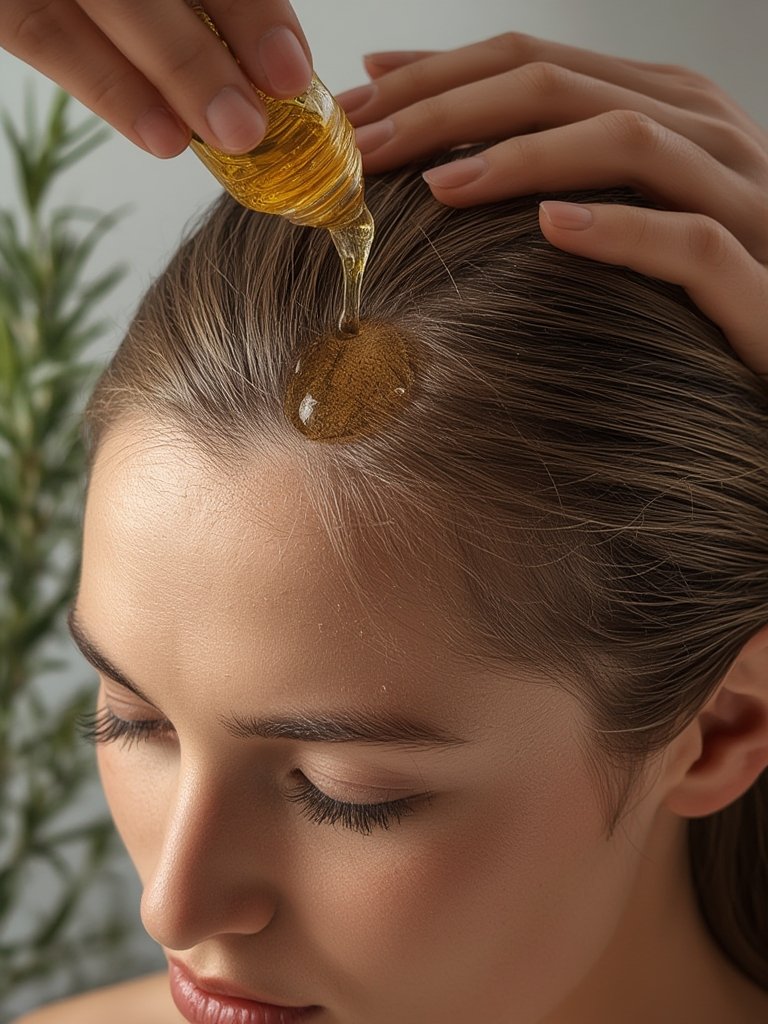
- Dilute the oil (never apply undiluted): Mix about 5 drops of rosemary essential oil into 1 tablespoon (15 ml) of carrier oil, such as jojoba, coconut, or almond oil. This reduces the risk of irritation or allergic reaction.
- Patch test first: Apply a diluted drop behind your ear. Wait 24 hours to check for redness, burning, or rash. If irritation occurs, do not proceed.
- Massage into scalp: Use your fingertips to gently work the diluted oil into your scalp, focusing on thinning areas. Massage for at least 2–3 minutes—this physical action may boost local blood flow.
- Let it sit, then wash: For best results, leave the oil on for at least 30 minutes, or overnight if comfortable. Wash hair as usual with a gentle shampoo.
- Repeat twice daily: The most robust clinical evidence used this frequency. At minimum, aim for once daily, building up to morning and night.
- Stick with it: Results will not be visible for at least 3–6 months. Consistency is critical.
If you are prone to irritation or have a damaged scalp barrier, learn how to repair it first (healthy scalp tips are critical for best results). For a more holistic routine, check out our step-by-step hair thinning repair routine to combine methods safely.
Advanced Analysis and Common Pitfalls
Despite the online hype, there are several overlooked facts and frequent mistakes people make when adding rosemary oil to their hair routine.
- Not all products are equal: The clinical trial used pure rosemary essential oil applied directly (with a carrier). Most store-bought “rosemary” shampoos or serums have low concentrations and are unlikely to work the same way.
- Expecting fast results: Users often give up after a few weeks. The main study found no significant improvement at 3 months—only at 6 months of diligent use.
- Inadequate application: Skipping days or applying too little will reduce your chances of improvement.
- Ignoring irritation risks: Even natural oils can cause itching, burning, or rashes—often from using undiluted oil or skipping patch tests.
- Overapplying oil: Too much oil can create a greasy look, clog pores, or require more frequent washing. Start with a smaller amount and adjust as needed.
- Neglecting root causes: Rosemary oil is only well-studied for mild to moderate androgenetic alopecia. If your hair loss is due to stress, illness, or nutritional imbalance, you may need a broader approach, possibly including supplements (hair supplements for women) or medical evaluation.
| Rosemary Oil | Minoxidil (2%–5%) | |
|---|---|---|
| Evidence Level | One main RCT for AGA
Not FDA-approved
|
Many RCTs, decades of use
FDA-approved
|
| Application Frequency | Twice daily (in studies) | Twice daily |
| Speed of Results | 6 months minimum for visible change | 3–6 months for typical response |
| Side Effects | Irritation, mild allergy, odor issues | Itching, dryness, possible shedding at start |
| Cost | Varies: pure oil can be low or high cost; serums can be premium | Generic is affordable, branded higher |
| Market Demand | High in natural haircare/DIY communities | Consistently strong, especially for AGA |
If you want an in-depth breakdown of hair oiling techniques, see our comprehensive hair oiling routine guide.

Finally, beware of these easily-overlooked issues:
- Most evidence is for androgenetic alopecia only.
- True results require the same high concentration and strict regime as in the main human trial—not just casual, occasional use.
-
“Natural” does not guarantee zero risk; essential oils are still one of the more common triggers of contact dermatitis on the scalp.
(If you have a sensitive scalp, first focus on restoring your scalp barrier before aggressive oil treatments.)
Conclusion
The current research suggests that rosemary oil—when used exactly as in the clinical trial—can visibly improve hair growth for mild-to-moderate androgenetic alopecia and may offer fewer side effects than minoxidil. Still, minoxidil has much more robust evidence and is FDA-approved.
The most important rules: choose pure rosemary essential oil, dilute it well, do a patch test, apply it to your scalp every day for at least 6 months, and don’t expect miracles. For complex cases or rapid hair loss, see a doctor or dermatologist—sometimes a combined approach is best.
If you’re exploring hair restoration options, consider layering rosemary oil with proven routines and look at hair density serums or supporting your skin cycling routine for overall scalp and hair health. Ready to take the first step? Consider testing rosemary oil, but do it armed with facts and realistic expectations for rosemary oil hair growth.
Frequently Asked Questions
Can rosemary oil regrow hair like minoxidil?
One human study showed that rosemary oil used twice daily for 6 months can improve hair count as much as 2% minoxidil in people with androgenetic alopecia. However, minoxidil has much more clinical research and is FDA-approved, while rosemary oil evidence is limited to a single trial.
How long does it take to see results from rosemary oil for hair growth?
Clinical evidence suggests you must use rosemary oil consistently for at least 6 months to see meaningful change. Most people notice no improvement at the 3-month mark.
Can rosemary oil cause scalp irritation or side effects?
Yes, possible side effects include itching, redness, burning, rashes, and occasionally headaches from the aroma. Always dilute rosemary essential oil before use and do a patch test first.
Can I just use a rosemary shampoo or serum and get the same results?
No. The only published study that supported hair growth benefits used pure rosemary essential oil, applied directly and regularly to the scalp. Most shampoos and serums contain much lower concentrations and have not been proven to work the same way.
Who should avoid rosemary oil scalp treatments?
Anyone with a known allergy to rosemary or essential oils, active scalp wounds, significant irritation, or certain medical conditions (such as epilepsy or pregnancy—due to lack of safety data) should avoid or consult a doctor before use.