

Introduction
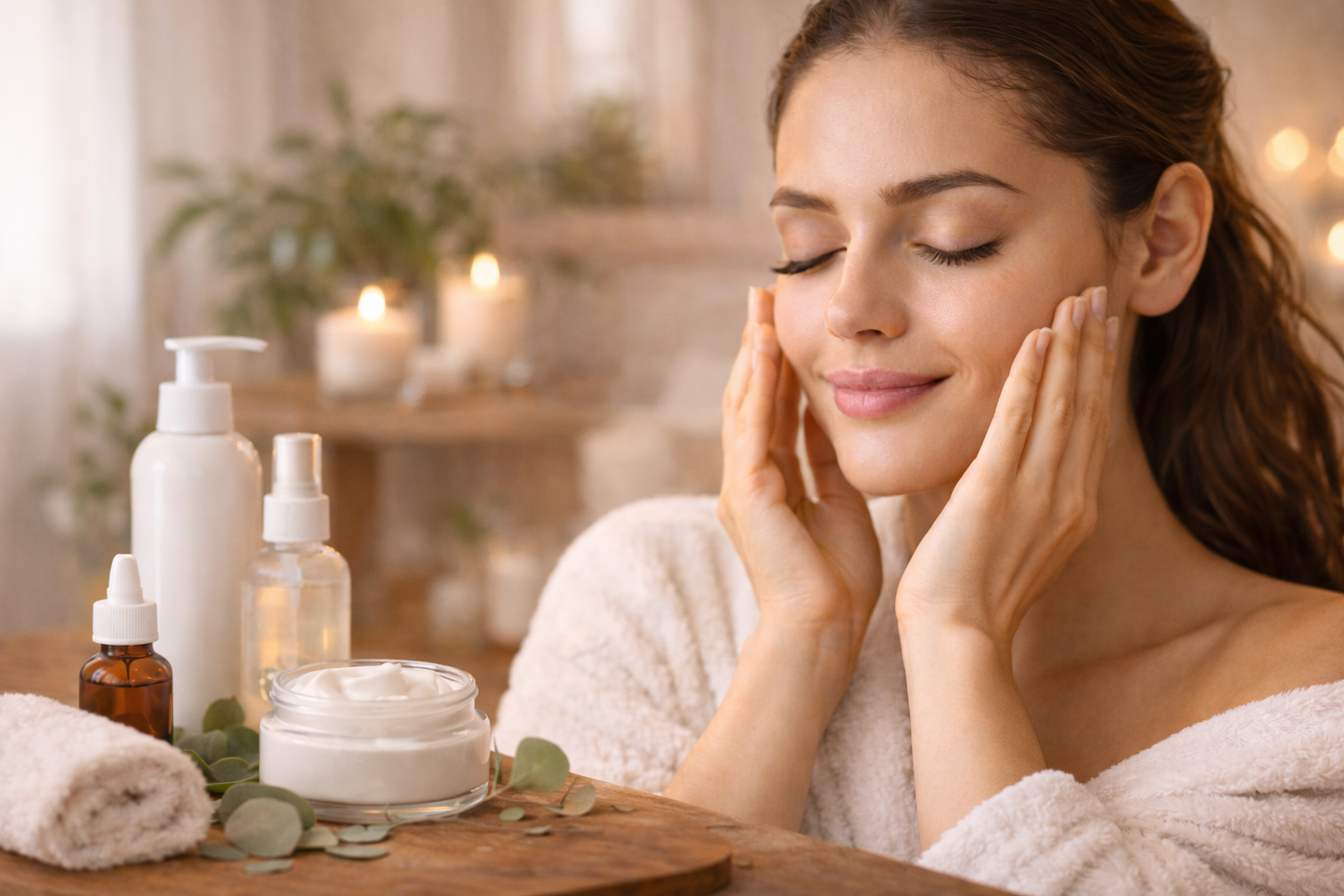
Barrier repair moisturizer is more than just a trendy skincare term—it’s a foundational solution for anyone battling dryness, irritation, or a compromised skin barrier. With rising environmental stressors and overly aggressive skincare routines, keeping your barrier strong isn’t optional—it’s essential.
Key Takeaways
- Barrier repair moisturizers are designed to restore the skin’s natural defenses using ingredients like ceramides, fatty acids, and cholesterol.
- The global barrier repair market is booming, projected to reach over $500 million by 2034.
- Choosing the right formula involves avoiding common pitfalls such as irritation and mismatched skin types.
Table of Contents
- What Is Barrier Repair Moisturizer and Why Does It Matter?
- Step-by-Step: How to Use a Barrier Repair Moisturizer Effectively
- Advanced Analysis & Common Pitfalls
- Conclusion
- Frequently Asked Questions
What Is Barrier Repair Moisturizer and Why Does It Matter?
Your skin barrier is your frontline defense. It prevents water loss and blocks environmental aggressors—but it’s also fragile. Cleansing too often, exfoliating aggressively, or using the wrong treatments can break it down, leading to redness, flaking, sensitivity, and breakouts. A high-quality barrier repair moisturizer helps restore the lipid matrix that holds skin cells together, using key ingredients like ceramides, fatty acids, and cholesterol.
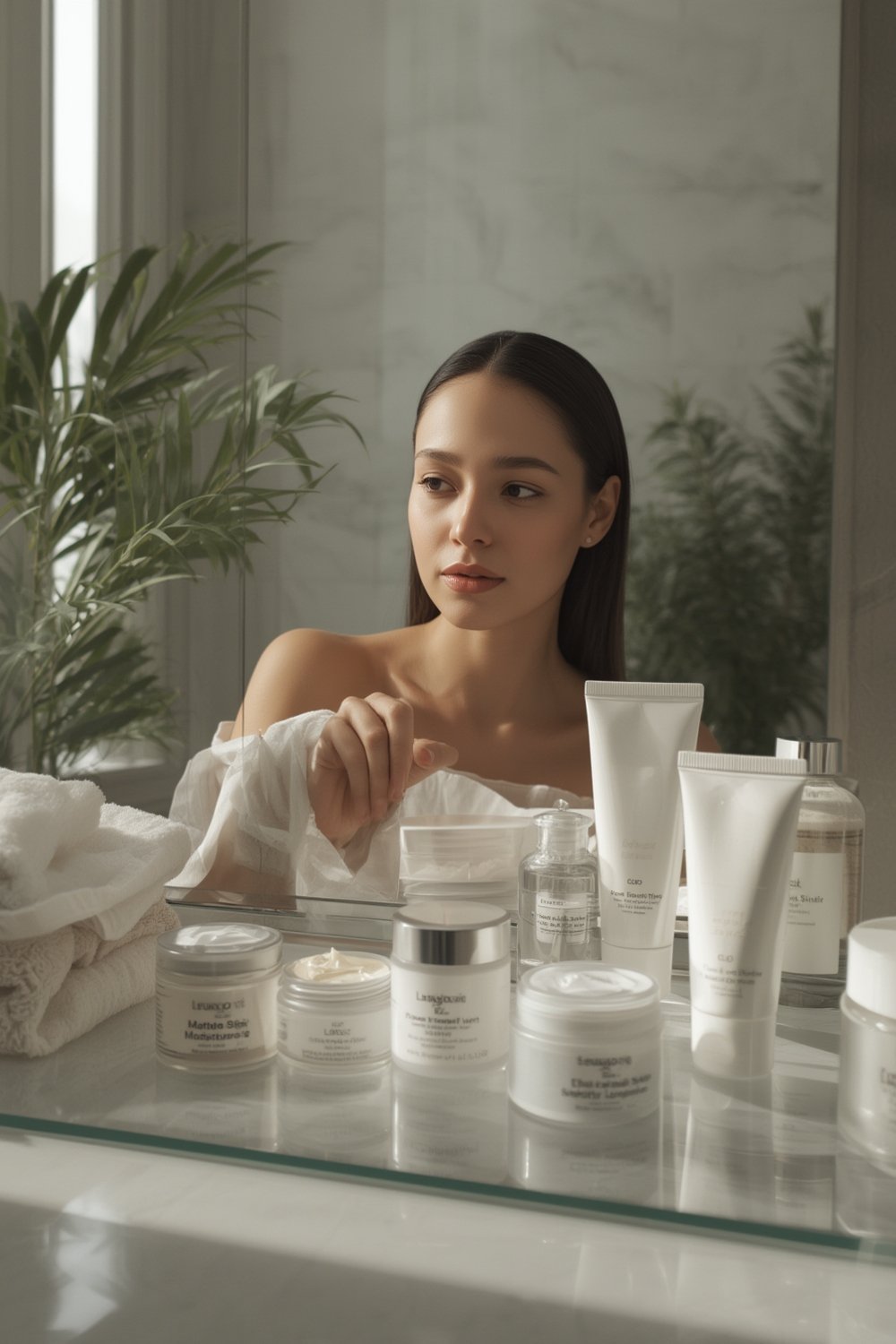
In 2024 alone, the skin barrier market is valued at over $373 million with an expected CAGR of 3.8% until 2034. This growth indicates rising consumer awareness and demand for products that protect and restore the skin’s barrier. North America dominates the market, but East Asia is quickly rising, led by China with a projected growth of 4.9% CAGR through 2034—a signal that barrier health is a worldwide concern.
Step-by-Step: How to Use a Barrier Repair Moisturizer Effectively
Getting the full benefit of your barrier repair moisturizer isn’t just about what you apply—it’s about how and when you apply it. Below is a tested, dermatologist-informed application strategy to maximize results.
1. Start With a Low pH Cleanser
Cleansers with a pH around 5.5 help preserve the acid mantle, a thin film on the skin’s surface that’s vital for barrier function. Avoid foaming cleansers with sulfates that strip away natural oils.
2. Apply Hydrating Serum (Optional but Ideal)
Before sealing your skin, add a humectant-packed serum (like hyaluronic acid or glycerin) to lock in hydration.
3. Immediately Lock It In With Your Barrier Repair Moisturizer
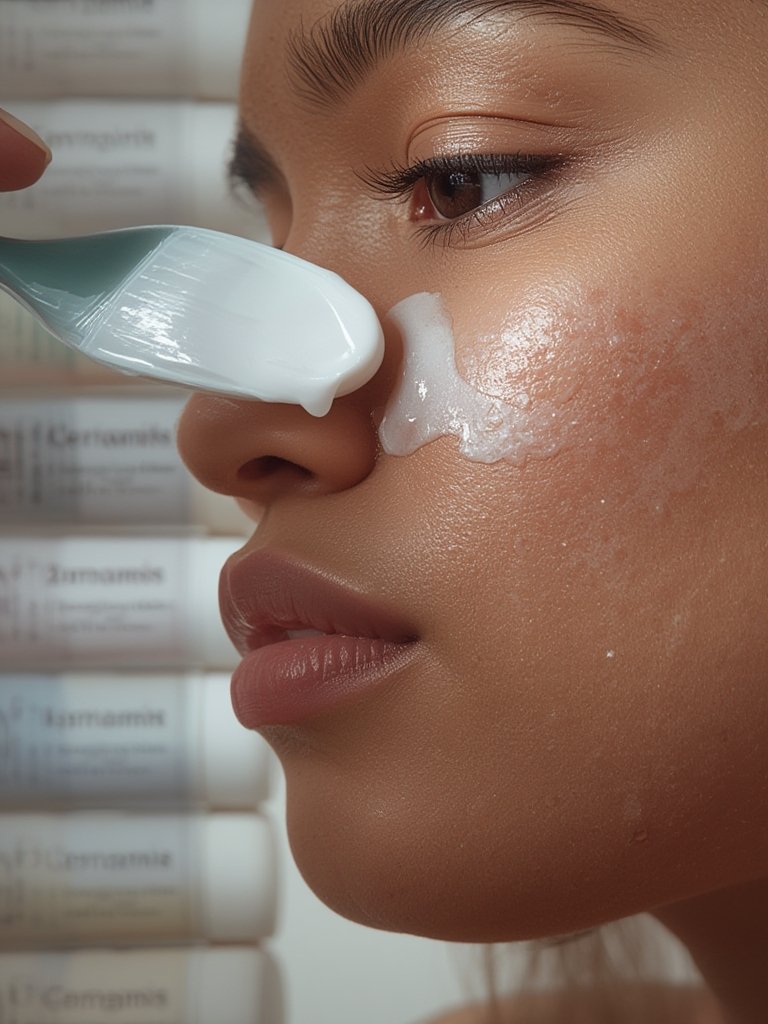
Pat on your moisturizer while your skin is slightly damp to trap that hydration and reduce transepidermal water loss (TEWL).
4. Don’t Skip Sun Protection
Use a fragrance-free, broad-spectrum sunscreen daily—even if you’re indoors. UV damage silently breaks down your barrier over time.
5. Avoid Over-Exfoliating
If your barrier is impaired, skip acids or scrubs until you’re fully recovered. Then ease back in gently—no more than once a week initially.
Advanced Analysis & Common Pitfalls
Despite market growth, not all barrier moisturizers work equally well. Here’s a breakdown of common user issues and limitations:
| Problem | Cause | Fix |
|---|---|---|
| Irritation/Redness | Fragrance, alcohols, or extracts in formula | Use very minimal formulas with no natural fragrance or dyes |
| No Visible Improvement | Low concentration of active ingredients | Look for formulas listing ceramides, cholesterol, and fatty acids in the top 5 ingredients |
| Product Pills Under Makeup | Incompatible silicones or oil-heavy base | Switch to fast-absorbing gel-cream textures designed for layering |
Furthermore, many articles skip real formulation insight. According to The Insight Partners, ceramide-rich products dominate the topical creams segment. Yet, most product pages lack information about actual ceramide types or concentrations. Knowing whether your product includes Ceramide NP, AP, or EOP can dramatically affect its effectiveness.
Learn more in our deep-dive guide on which ceramides suit specific skin types.

Conclusion
In 2024, investing in a reliable barrier repair moisturizer isn’t just a skincare upgrade—it’s a biological necessity. With rising pollution, processed skincare actives, and harsher climates, your barrier is under constant attack. Choose a product with clinically validated ingredients and an appropriate texture for your needs. Start simple, layer smartly, and let your skin restore itself from within.
Looking for barrier-safe sunscreens? Check out our curated list of best sunscreens for sensitive skin.
Want affordable barrier creams backed by dermatologists? Don’t miss our updated roundup of drugstore barrier boosters.
Frequently Asked Questions
Can I use a barrier repair moisturizer if I have oily or acne-prone skin?
Yes. Look for non-comedogenic formulas with lightweight, gel-based textures. Ceramides and niacinamide are skin-friendly ingredients that won’t clog pores.
How long does it take for a damaged barrier to heal?
Most mild cases recover within 2–4 weeks with consistent care and reduced exposure to irritants.
Can I combine barrier repair moisturizers with retinoids?
Yes, apply the moisturizer before and after your retinoid (“sandwich method”) to prevent irritation.
Are natural moisturizers better for the skin barrier?
Not always. Natural doesn’t mean barrier safe. Avoid essential oils and citrus-based extracts if you’re repairing damage.
Is Centella asiatica effective for barrier repair?
Yes. It has anti-inflammatory and collagen-boosting properties, making it ideal for soothing compromised skin barriers.